



Warning Signs of Mesothelioma
 Mesothelioma is a rare form of cancer that affects the lining of the heart, lungs, or abdomen. It is an aggressive cancer caused by asbestos exposure and it normally takes decades to develop. Research shows that mesothelioma is more likely to develop in men than in women, and rarely affects people under 45 years of age. It is a leading cause of occupational cancer in the United States. If you have been diagnosed with asbestos-related mesothelioma due to your job, you are eligible for compensation.
What is Asbestos?
Asbestos is not just one thing, it is a bundle of silicate minerals that have the same fibrous nature. Asbestos fibers are highly toxic and cannot be seen or smelled, which makes it complicated for an individual to know that they are being exposed to it. Asbestos is also resistant to heat, electricity, and chemicals. Once asbestos enters your body, it does not leave and causes continuous cellular damage.
Unlike other forms of cancer, mesothelioma is resistant to chemotherapy. It is one of the most challenging forms of cancer to treat. Mesothelioma is usually diagnosed when it is already in its advanced stages because it tends not to produce any identifiable symptoms in its early stages.
Warning Signs of Mesothelioma
Malignant pleural mesothelioma and malignant peritoneal mesothelioma are two types of mesothelioma and present different symptoms.
Malignant pleural mesothelioma occurs in the lungs and the symptoms include:
- A dry cough
- Chest or abdominal pain
- Shortness of breath
- Muscle weakness
- Fatigue
- Fluid around the lungs
- Back pain
Malignant peritoneal mesothelioma occurs in the abdomen and the symptoms include:
- Abdominal pain
- Unexplained weight loss
- Fluid in the abdomen
- Diarrhea or other changes in bowel habits
Who is at Risk for Developing Mesothelioma?
Mesothelioma is more likely to affect those exposed to an extremely high concentration of it, or those exposed to it daily. Factory workers, construction workers, and plumbers are at risk for developing the disease. Family members of these workers are also at risk of exposure because asbestos fibers can be carried on clothing.
It is very important to be aware of the warning signs of mesothelioma, especially if you have been exposed to asbestos at any point in your life. The earlier you recognize strange symptoms, the earlier you can get to your doctor. As with any type of cancer, the earlier you begin treatment, the better your chances are of survival.
Delaware Mesothelioma Lawyers at Jacobs & Crumplar, P.A. Handle Mesothelioma Cases
If you or someone you know has been diagnosed with mesothelioma due to asbestos exposure, you have options. Contact a Delaware mesothelioma lawyer at Jacobs & Crumplar, P.A. Our experienced lawyers will fight hard to obtain the compensation you deserve. For a free consultation, contact us online or by phone at 302-656-5445. Our offices are in Georgetown and Wilmington, Delaware, where we represent clients throughout the state, including Dover, New Castle County, and Sussex County.
Mesothelioma Medication Concerns
 Mesothelioma is an aggressive form of cancer that occurs in the thin layer of tissue that covers the organs in the human body. This type of cancer is often found in the lungs, and although there are several different treatments available, for many, a complete recovery is not always possible.
Patients suffering from mesothelioma often take medication for the rest of their lives. Therefore, it is important that those suffering from this disease find the right combination of medications to allow them to live as comfortable as possible. The right combination of medications can help successfully lessen pain, while allowing for the side effects.
Some common side effects of cancer medications include:
- Nausea and Vomiting
- Vertigo and Dizziness
- Constipation
Managing Side Effects
The American Cancer Society cautions patients that discontinuing opioid medication can cause serious withdrawal symptoms. Additionally, those who feel that they need to make changes in any of their prescribed medications must consult with their doctor or oncology team before doing so.
It may be important to keep in mind that those who require opioid pain medication sometimes find that the side effects lessen over time. However, an oncology team can adjust dosages, discuss personalized ways to mange side effects, and prescribe other medications to lessen side effects.
Additionally, mesothelioma patients should talk to their doctor about dietary and other changes that may help to alleviate medication side effects, including:
- Water intake: Increasing fluids can help to alleviate constipation
- Increased fiber: Fiber rich fruits and vegetables or supplements may help decrease discomfort
- Eating before taking medications: Having a small snack before taking medicine could help with nausea
- Lying down: Resting immediately after taking medication may help with dizziness
Mesothelioma Risks and Prevention
The primary risk factor for mesothelioma is exposure to asbestos. Asbestos occurs naturally in the environment, and as a result this durable, anti-flammable mineral can be found in many everyday products, such as:
- Insulation
- Brakes
- Flooring
- Shingles
When asbestos products are broken down into small dust like particles, those that inhale these particles are at risk for mesothelioma. However, it should be noted that even those who are exposed to asbestos over long periods of time never develop mesothelioma.
Preventing mesothelioma first starts with discovering if there is a risk of asbestos exposure. Asbestos exposure is often prevalent in the construction, ship building, and mining industries. Additionally, it is important to follow all safety regulations in the workplace, including wearing protective clothing and using safety equipment.
Delaware Mesothelioma Lawyers at Jacobs & Crumplar, P.A. Advocate for Employees Suffering from Mesothelioma
If you would like more information regarding managing mesothelioma medication or you were exposed to asbestos in the workplace, contact a knowledgeable Delaware mesothelioma lawyer at Jacobs & Crumplar, P.A. Our lawyers are ready to hear the individual details of your case to determine what types of compensation you and your family are entitled to. For a free initial consultation, call us today at 302-656-5445 or contact us online. Our offices are in Georgetown and Wilmington, Delaware, and we proudly serve clients in Dover, New Castle County, and Sussex County.
Why Asbestos is Dangerous
 Exposure to asbestos has been known to cause cancer for decades. All forms of asbestos are fibrous mineral materials that are heat-resistant. Asbestos is also resistant to electricity, chemical corrosion, and possesses insulating properties.
Asbestos has been used extensively as insulation and fire proofing material. During the Industrial Revolution, asbestos was used in steam engines and locomotives. Asbestos was used during World War II for many military applications, including as pipe insulation in naval ships. Asbestos was also used as insulation in manufacturing facilities and in homes for many years.
A number of factors led to a delay in realizing the danger. First, industry leaders in the 1920’s chose to suppress information gathered from medical research about the potential health risks of exposure to asbestos. Second, it usually takes decades after exposure for symptoms to develop.
Who is At Risk of Asbestos Related Disease?
Although skin contact and ingestion can expose a person to risk, the primary route of exposure is through inhalation of particles. Fibers can enter the lungs without causing any overt symptoms. These fibers can pierce the mesothelium, a cell layer that surrounds all internal organs.
The chance of getting an asbestos related illness is dose dependent. Exposure to high concentrations for long periods of time increases the risk of contracting asbestosis, lung cancer, or mesothelioma, which is an aggressive form of lung cancer. In the 1960’s asbestos was discovered as being responsible for mesothelioma.
People working in asbestos mines are exposed to elevated levels of asbestos and are at risk. Others at risk include workers in the fields of asbestos product manufacturing, shipbuilding, construction, and electricity generation.
Secondary exposure also puts people at risk. Accordingly, family members of asbestos workers and people living near asbestos mines have also been diagnosed with asbestos related diseases. Further, smoking greatly increases the risk of contracting asbestos related lung disease.
Researchers Finds Answers
Today, researchers are fairly confident that they now understand how asbestos causes mesothelioma. Chronic exposure to asbestos triggers a type of tissue repair that puts the immune system out of balance. The fibers cause damage at the cellular level.
The body’s attempt to heal the wound at this cellular level promotes cell growth and sometimes tumors. The tumors can create a microenvironment where the normal immune system attack of tumors by white blood cells is inhibited.
Potential for Immunotherapy Treatment
There are now clinical trials underway to test whether treatments that block immune system inhibitors, essentially attempting to rebalance the immune system, can succeed in treating mesothelial cancer.
Delaware Mesothelioma Lawyers at Jacobs & Crumplar, P.A. Help Those Exposed to Asbestos
If you have developed mesothelioma or an asbestos related disease, you should not have to bear the costs of treatment alone. Our firm has handled asbestos cases for years, and we have succeeded in obtaining multimillion-dollar mesothelioma settlements. Contact a Delaware mesothelioma lawyer at Jacobs & Crumplar, P.A. for a free initial consultation by calling 302-656-5445 or completing our online form. Our offices are located in Wilmington and Georgetown, Delaware and we represent clients throughout the State.
How to Safely Dispose of Asbestos Waste
 Asbestos is a known carcinogen that can cause serious health risks to humans. While asbestos is not usually hazardous in its bonded form, it becomes toxic when the material containing the asbestos becomes worn or damaged. When this happens, the fibers can be released into the air and easily inhaled, causing a range of asbestos-related diseases, including mesothelioma, a potentially fatal type of lung cancer. Prior to 1980, asbestos was used in a wide range of building materials like insulation, flooring, ceiling tiles, and shingles. As a result, many of the homes and buildings that were built before 1980 may contain hazardous asbestos. To protect individuals from the harmful effects of asbestos, a licensed asbestos abatement professional should be hired to safely remove the material from the premises.
Types of Asbestos
- Friable asbestos material: This includes materials that contain asbestos in a powder form that can be crumbled or reduced to a powder when dry. These materials contain high levels of asbestos and are easily released into the air.
- Bonded asbestos material: This includes any material that contains asbestos that is non-friable. These bonded materials contain less than 15 percent of asbestos.
Asbestos Removal Process
When a building is being renovated or demolished, materials containing asbestos are often found, particularly if the building is more than 40 years old. An asbestos removal contractor will examine the property for asbestos fibers and determine whether a Health and Safety Executive (HSE) license is needed to complete the job. HSE’s are required when asbestos fibers are likely to be released into the air during the removal process. The removal contractor is responsible for bringing the equipment needed to safely dispose of the asbestos-containing materials. Make sure that you obtain a copy of the disposal receipt from your contractor and that the following steps are taken when transporting and disposing of the asbestos:
- All bonded asbestos materials must be securely packaged.
- Friable asbestos materials must be secured in a sealed container.
- Any soil that is contaminated with asbestos must be wetted down.
- All asbestos material that is being disposed of must be secured in a part of the vehicle that is covered and leak-proof.
- Disposal of all asbestos materials must be done at a landfill site that can legally receive it.
It is against the law to use curbside bins to dispose of asbestos waste, as it can contaminate waste streams, and cause health risks to those who meet it. Penalties for breaking the law include fines of up to $7,500 for individuals and $15,000 for companies. In addition, the individual or company would be responsible for paying additional clean-up and disposal costs if the Environmental Protection Agency or the local council issues a clean-up notice.
Delaware Asbestos Lawyers at Jacobs & Crumplar, P.A. Represent Victims of Asbestos Exposure
If you have been exposed to asbestos, do not hesitate to contact the highly skilled Delaware asbestos lawyers at Jacobs & Crumplar, P.A. Our experienced team will work tirelessly to secure the maximum financial compensation you deserve, while ensuring that your legal rights are protected. To schedule a free, confidential consultation, call us at 302-656-5445 or contact us online today. Our offices are in Wilmington and Georgetown, Delaware, where we represent clients throughout the state.
The Risk of Asbestos Exposure After a Disaster
 Beyond the immediate loss and devastation that natural disasters like Hurricane Katrina and tragedies like Sept. 11 cause, exposure to toxic substances left behind after these events pose an ongoing risk to victims and first responders. One of the most common and lethal of these substances is asbestos. This carcinogenic substance can be released or made airborne after a disaster. After all we know about the declining health of many first responders on the scene of floods, explosions, and other disasters, questions arise as to how to best protect men, women, and children from asbestos exposure after these events.
What is Asbestos?
Asbestos is a group of minerals that are found naturally in the environment. These minerals can be separated into narrow, durable fibers for use in many commercial applications. Because asbestos fibers are strong, flexible, and fire-resistant, it has been widely-used in countless ways since the late 1800s, well before the risks of exposure were known. Asbestos has been used in insulation, roofing, pipes, tiles, paints, and plastics.
Why is Asbestos Dangerous?
When products containing asbestos are damaged or disrupted, asbestos fibers may be released into the air. When humans inhale these fibers, they become lodged in the lungs. In time, this leads to scarring and serious respiratory problems. The United States Department of Health and Human Services and several other health agencies have classified asbestos as a human carcinogen, a substance known to cause cancer. It has been shown to cause mesothelioma, a rare but incurable cancer of membranes lining the abdomen and chest.
Toxic Exposure After a Disaster
History has shown us that firefighters, law enforcement officials, EMTs, and other rescue workers and demolition crews, who are often first on the scene of a natural or man made disaster, are at significant risk of exposure to toxic substances like asbestos. According to ongoing research, 43 percent of 65,000 workers involved in the rescue and clean-up effort after Sept. 11 have been diagnosed with a chronic health condition caused by toxic exposure. Their rate of cancer is 20 percent higher than workers who were not at the scene.
After a disaster, everyone wants the cleanup effort to move quickly, but it should not be at the expense of our first responders rushing into help. The Environmental Protection Agency developed guidelines and procedures for the safe handling of asbestos after any type of disaster, especially involving structures built before 1975. The agency recommends enlisting specially-trained personnel for the removal and repair of anything potentially containing asbestos.
Delaware Asbestos Lawyers at Jacobs & Crumplar, P.A. Fight for Mesothelioma Victims
Mesothelioma claims are complex because physical symptoms of the disease often appear years or even decades after the initial exposure to asbestos. To learn more about your legal options for recovering compensation for your medical bills and lost income caused by an asbestos-related illness, schedule a free initial consultation with a knowledgeable Delaware asbestos lawyer at Jacobs & Crumplar, P.A. Call us today at 302-656-5445 or contact us online to get started today. With office locations conveniently located in Georgetown and Wilmington, Delaware, we proudly serve clients throughout the state.
Glowing Tumor Technology Shown to Improve Mesothelioma Surgery
 Receiving a diagnosis of mesothelioma, while not as common as it used to be, can still be quite scary, with a five-year survival rate of just 15 percent. With any amount of unseen tumor cells still left behind after surgery, they rapidly multiply. Dissimilar to many solid cancers, mesothelioma is scattered and spreads itself throughout the thoracic cavity in the body. Aggressive surgery is often used to attempt to treat malignant pleural mesothelioma. Luckily, there has been a breakthrough in technology that may now increase the effectiveness of such surgery.
TumorGlow Could Change Industry
Recently, it has been found that by adding a contrast agent during the surgery, it becomes easier to do a complete surgery by its ability to detect macroscopic residual disease and eliminate all of it. This could help avoid what has most inevitably turned into a recurrence of cancer. A thoracic surgeon of the Abramson Cancer Center at the University of Pennsylvania explained that TumorGlow could change the entire field.
A Study of Procedures
The doctor’s recent study, which was conducted between Jan. 2016 and April 2017, involved 20 surgical patients with pleural mesothelioma. The purpose of these procedures is to completely resect the tumor. To be able to combat the issue of recurrence, doctors have attempted to implement other solutions, including hypothermic intraoperative chemotherapy, neoadjuvant hemithoracic radiation, and photodynamic therapy. Unfortunately, the results of these were only modest.
Intravenous Dye
The ability to implement TumorGlow makes things much easier to see, similar to wearing night vision goggles. For the technology to work, the patient must be systematically infused with the special dye, intravenous indocyanine green (ICG), 24 hours prior to the surgery. Then, during the surgery, the dye is activated by near-infrared imaging that lights up the tumor cells. They will show up differently than simple inflammation. This injection of the dye was well-tolerated in the study, with only one patient experiencing minor toxicity.
The study concluded that the TumorGlow can aid in determining where the tumor is but does not replace current available diagnostic testing. Surgery remains the most important option.
Wilmington Mesothelioma Lawyers at Jacobs & Crumplar, P.A. Help Mesothelioma Victims Claim Compensation
If you or a loved one have been exposed to asbestos and are suffering from mesothelioma, it is extremely important that you receive the attention and care that you deserve. At Jacobs & Crumplar, P.A., our Wilmington mesothelioma lawyers understand the intricacies that are associated with a diagnosis of mesothelioma. Let us be the support for you during this difficult time. With offices in Wilmington and Georgetown, Delaware, we proudly serve clients from the surrounding areas. Contact us online or call us at 302-656-5445 today.
Asbestos Found in Playskool Crayons
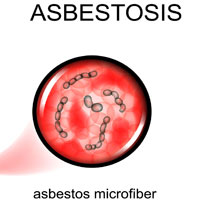 Parents everywhere are heading out to the local stores to purchase economical school supplies for their children. However, what many may not realize is that one quick trip to the dollar store could result in exposing our kids to asbestos.
In August, the U.S. Public Interest Research Group (PIRG) released a report that green Playskool crayons, sold by Dollar Tree and Amazon, contain high levels of asbestos. Although this may sound like shocking news, this was not the first time asbestos was found in school supplies. In July 2015, four other brands of crayons tested positive for asbestos as well.
Although any amount of asbestos in children’s products is unacceptable, PIRG feels that the recent results are encouraging, indicating a decline in the toxicity of children’s products overall.
Asbestos and Mesothelioma
Asbestos is a carcinogenic material that is linked to a rare and particularly debilitating form of cancer, called mesothelioma. Mesothelioma develops after asbestos fibers are ingested or inhaled. Once the fibers enter the body, they can become lodged in the lining of the lungs, abdomen, or heart. Over time, this causes irritation and scaring, leading to fast growing, cancerous tumors.
Symptoms of mesothelioma are not immediately evident and can take 10 to 50 years to develop. Although there is currently no cure for mesothelioma, once diagnosed, there are resources available to help patients maintain a higher quality of life.
Mesothelioma Fears from Asbestos Crayons
Although it has been argued that due to the solid state of crayons, children who have used asbestos crayons are not at risk for exposure. However, there are still undeniable risks. For example:
- Crayon sharpeners create particles and dust in the air
- Small children may be inclined to ingest crayons
- Children may be more vulnerable to asbestos exposure
Parents who believe their child was exposed to asbestos and those that have received a mesothelioma diagnosis should contact a Wilmington mesothelioma lawyer as soon as possible. Experienced toxicity attorneys can help clients allocate compensation for proper medical care, and locate the resources needed for long-term care.
How to Identify Safe School Supplies
As PIRG continues to identify unsafe products for children, they urge parents to look for the following labels showing a qualified toxicologist has tested the product for toxic hazards:
- AP-Approved Product
- CL-Cautionary Labeling
- CPC- Children’s Product Certificate
Parents can look for these labels on lunchboxes, water bottles, and art supplies, and should remain cautious about purchasing supplies containing no labeling at all.
Wilmington Mesothelioma Lawyers at Jacobs & Crumplar, P.A. Assist Clients Exposed to Asbestos
If you would like more information regarding the risks of asbestos exposure to your children or you believe your child has been exposed to asbestos, contact a knowledgeable Wilmington mesothelioma lawyer at Jacobs & Crumplar, P.A. We are ready to hear the details of your case and guide you toward your next steps. To find out what type of compensation you may be entitled to, call us at 302-656-5445 or contact us online. Our offices are in Georgetown and Wilmington, Delaware, and our attorneys practice nationwide.
Asbestos Potentially Back in Manufacturing
 The Environmental Protection Agency (EPA) authorized a “significant new use rule” (SNUR), allowing for the potential reintroduction of asbestos into manufacturing.
Under the rule, asbestos may be used to create new products such as adhesives, sealants, and pipeline wrap, which will be evaluated by the EPA on a case by case basis.
The History of Asbestos
Asbestos was once widely used in the construction industry and in a variety of products, including paint, tiles and insulation. It was also used in consumer products such as small appliances, baby powder, and potting soil.
For years, despite having evidence of the health risks associated with asbestos exposure, companies and manufacturers continued to market asbestos to the public.
It is now widely known that asbestos exposure causes terminal diseases like lung cancer and mesothelioma. There are nearly 40,000 asbestos-related deaths per year, according to the Asbestos Disease Awareness Organization (ADAO).
The United States has not banned the use of asbestos altogether, as other countries have done, but rather has placed strict regulations upon its use. Now, it will be largely up to local and state governments, as well as manufacturing companies and consumers, to regulate use of the harmful toxin.
Implications of the New Rule
Asbestos-related disease advocacy groups are strongly opposed to the new rule, pointing out that asbestos is a known carcinogen. Direct and even second-hand exposure to asbestos puts workers at risk of developing mesothelioma.
Those with mesothelioma may not show symptoms of the disease for decades, sometimes up to 50 years after exposure. There is currently no known cure for mesothelioma, and once diagnosed, life expectancy is usually short.
The executive director of the Mesothelioma Applied Research Foundation calls for an absolute ban on asbestos, citing a 2017 Centers for Disease Control and Prevention (CDC) report that shows a rise in mesothelioma-related deaths, despite Occupational Safety and Health Administration (OSHA) and EPA efforts to limit asbestos exposure.
EPA’s Response to Backlash
Under the 2016 amendment to the 1976 Toxic Substances Control Act, the EPA is required to continually reevaluate potentially harmful chemicals. The SNUR was implemented after the EPA finished its review of the first ten chemicals. According to the EPA, the risk evaluations for those chemicals will be published in December 2019, after further investigation.
The media recently uncovered a photo of President Trump’s face on a seal used to stamp asbestos shipping pallets by the world’s largest supplier of asbestos, a Russian mining company. Trump has also voiced skepticism about the dangers of asbestos. It therefore remains to be seen what types of, and how many, asbestos-containing products will be allowed by the administration.
The EPA stated that press reports regarding the issue are inaccurate, and that the new rule will allow the agency to have more control over the use of asbestos, because companies must first seek EPA approval before implementing any new uses.
Contact a Dover Asbestos Lawyer at Jacobs & Crumplar, P.A. if You Were Exposed to Asbestos
If you were exposed to asbestos at work, or you developed an asbestos-related disease, contact a skilled Dover asbestos lawyer at Jacobs & Crumplar, P.A. For a free and confidential consultation, contact us online or call us at 302-656-5445. From our offices in Wilmington and Georgetown, our experienced lawyers will fight to get you the justice and compensation you deserve. We represent clients throughout Delaware, Pennsylvania, New Jersey, Maryland and the District of Columbia.
What to Do After a Mesothelioma Diagnosis
Receiving a cancer diagnosis of mesothelioma can be overwhelming. Questions about proper treatment methods, life expectancy, and costs of medical expenses are especially common. To avoid additional stress, families can take the following steps to become better prepared for the road ahead.
Gather Accurate Information
For many individuals, receiving the diagnosis may be the first time they have heard of this disease, which is caused by exposure to fatal airborne asbestos fibers. The internet can present confusing and conflicting information about this condition. In determining the most appropriate treatment options, diagnosed individuals should focus on accurate medical information provided by a qualified professional in understanding the impact of mesothelioma on one’s health.
One of the most important pieces of information to research is the type of mesothelioma at issue. Pleural mesothelioma, which accounts for approximately 75 percent of cases, commonly affects a person’s ability to breathe and may require the need for a respiratory therapist. Other types of mesothelioma, such as peritoneal, pericardial, or testicular, affect other areas of the body. Knowing the affected locations of the body will help you better understand the symptoms and impact of the disease.
Part of the information gathering process will include researching the legal and financial aspects of being diagnosed with this disease. An experienced Georgetown mesothelioma lawyer can help you determine if you are entitled to compensation for your medical expenses or pain and suffering due to asbestos exposure.
Seek the Assistance of a Qualified Medical Professional
Mesothelioma is a type of cancer, yet, not all cancer treatment centers have the proper expertise in treatment and monitoring of this rare disease. Finding an oncologist who specializes in mesothelioma is an important step as these physicians will have access to the most recent research and clinical trials. This rare type of cancer has been misdiagnosed as chronic obstructive pulmonary disease or even the flu. Do not hesitate to obtain a second and third opinion when it comes to obtaining a diagnosis or understanding your treatment options.
Build a Support System
While your physician will be a vital part of your treatment team, you also will need the social and emotional support of others during this time. Reach out to family and friends who can help you deal with the many emotions that accompany your diagnosis. Many patients enlist the help of an oncology social worker, mental health therapist, or online support groups to address feelings of isolation, depression, and anxiety. There are many local, regional, and national resources available to help you cope with your mesothelioma diagnosis.
Take Care of Yourself
Regardless of your treatment plan, preparing your body to fight cancer can be an important proactive step. Following your diagnosis, you may need to undergo surgery, radiation treatments, and chemotherapy. Exercising, physical therapy, and a healthy diet can positively affect your treatment. Treatment for mesothelioma may continue for years and keeping your body physically strong can build much needed immunity. Remain an active participant in the treatment and monitoring of your cancer.
Georgetown Mesothelioma Lawyers at Jacobs & Crumplar, P.A. Advocate for Victims of Asbestos Exposure
If you have received a mesothelioma diagnosis resulting from asbestos exposure, the Georgetown mesothelioma lawyers at Jacobs & Crumplar, P.A. can help you obtain compensation for the costs of ongoing medical treatment. With offices conveniently located in Wilmington and Georgetown, Delaware, we represent victims of asbestos exposure throughout the state. To schedule a confidential consultation today, call us at 302-656-5445 or submit an online inquiry form.
Occupational Exposure to Toxins
 Millions of employees report to offices and job sites where they are in contact with dangerous chemicals every day. It could be at a hospital, a construction site, a laboratory, or a host of other places. Companies are obligated to protect their staff from these hazards, and employees should be vigilant about taking precautions as well.
There are many different kinds of chemical toxins in workplaces. Such toxins include:
- asbestos
- hydrogen peroxide
- formaldehyde
- ammonia
- chloroform
- lead
- iodine
- zinc
- mercury
- uranium
- arsenic
- others
Bodily harm from these toxins can occur after long periods of exposure, or during a one-time accident. Severe burns, blindness, respiratory problems, mesothelioma, and cancer are a handful of the wide range of harmful results of toxic exposure.
Regulations for Toxic Chemical Exposure
Chemical manufacturers make Material Safety Data Sheets (MSDS) available for companies, and these provide detailed information about the chemicals, their toxicity, reactivity, storage, health effects, protective equipment, and more. Companies should have MSDS books on site and adhere to their specifications.
The Occupational Safety and Health Administration (OSHA) provides a Hazard Communication Standard, which was created to communicate the proper information about all substance hazards and safety procedures to all employees. This includes training on how to handle the chemicals, and how to protect themselves around them.
Occupational Exposure Limits, or OELs, govern chemical exposure levels in workplaces. OSHA’s Permissible Exposure Limits (PELs) protect workers by setting limits on airborne concentrations of dangerous chemicals. There are around 500 types of PELs, and specific ones for general industry, construction, and shipyards.
Controlling Toxic Chemical Exposure
According to OSHA, company leadership has the most responsibility for controlling hazardous chemical and toxic substance exposure in their workplaces. Work practices and engineering controls need to be established and administrated effectively at all times.
Employees should also be highly cautious when working around and with toxic chemicals. Using protective gear such as face masks and goggles is crucial. Ventilation is another critical safety measure, and can be accomplished by diluting the chemical’s concentration with uncontaminated air. Isolating the chemicals in a separate area when they are not in use also reduces exposure, and the chemicals must always be properly labeled and their use monitored.
Accidents Still Happen
Having a safe workplace environment is an employee right, not a privilege. Yet even with safety precautions in place, accidental and unknown overexposure to hazardous chemicals occurs in workplaces. Other incidences occur if the company is not adhering to environmental regulations, or if material shipment, storage, or handling is done improperly. It can also occur if safety procedures are outdated.
If an employee becomes sick or experiences other bodily harm, they could be entitled to a Worker’s Compensation claim. In these cases, it is important to see a physician right away for an accurate diagnosis. If it is determined that the illness is from toxic exposure at work, the employer may have been negligent.
Dover Chemical Exposure Lawyers at Jacobs & Crumplar, P.A. Help Victims Harmed by Chemical Exposure
If you or someone you care for is suffering the effects of hazardous chemical exposure, contact a highly experienced Dover chemical and toxic exposure injury lawyer at Jacobs & Crumplar, P.A. We are ready to help you get the compensation you deserve. Call 302-656-5445 or contact us online. Our offices are located in Georgetown and Wilmington, Delaware and our attorneys practice nationwide.