



Daylight Saving Time and Rise in Car Accidents
Once again, Delaware residents will be turning their clocks ahead one hour on the second Sunday of March at 2:00 am. Daylight saving time (DST) not only causes disturbed sleep patterns but also a rise in car accidents, according to a new study by researchers at the University of Colorado Boulder.
Results of the Study
The study reports that DST is associated with a surge in fatal car crashes. Previous studies have shown a link between DST and increased car accidents, but this study is the largest of its kind with researchers analyzing 732,835 accidents from 1996 to 2017.
Researchers found that the springtime switch leads to negative health and safety impacts, mainly fatal traffic accidents. During the workweek following the switch in spring, fatal car accidents spiked six percent. In 2007, the Energy Policy Act changed DST from the second Sunday in April to the second Sunday in March, the spike moved accordingly. In both instances, the rise in fatal accidents occurred immediately after the beginning of DST, typically during the morning hours.
Also, people who reside in western time zones acquire less sleep due to late sunrise and sunset; in those areas, the spike in fatal accidents was eight percent. It is estimated that 627 people died in car accidents associated with the spring shift. It is predicted that approximately 28 fatal car accidents could be prevented each year if the DST transition was abolished.
Drowsy Driving Accidents
Delaware drivers should be aware of the risks associated with the upcoming DST transition. Just one hour of lost sleep can impair driving performance and lead to drowsy driving accidents. The National Highway Traffic Safety Administration (NHTSA) reports that there were 795 deaths that were caused by drowsy driving in 2017. Fatigue combined with driving to work in the dark is an especially dangerous combination; drowsy driving crashes occur most frequently between midnight and 6:00 am.
On the night of the change, be sure to go to bed early and get plenty of sleep. Other drivers may be fatigued, especially commercial drivers, those who work night shifts, and those who work on weekends; therefore, it is important to be extra cautious during the week following the shift.
Signs of Drowsiness
Signs of drowsiness include frequent yawning or blinking, missing your exit, having difficulty remembering the last few miles you drove, and drifting from your lane. If you feel sleepy, pull over to a safe rest area for a few minutes before continuing your commute. To avoid drowsy driving car accidents, the NHTSA advises drivers to stick to a normal sleeping schedule and get adequate sleep.
Wilmington Car Accident Lawyers at Jacobs & Crumplar, P.A. Advocate for Drowsy Driving Accident Victims
If you were injured in a drowsy driving accident, you may be eligible to collect compensation. Drowsy driving is dangerous, so it is crucial to be extra cautious around the DST transition. Our dedicated Wilmington car accident lawyers at Jacobs & Crumplar, P.A. will help you get the compensation you deserve and will hold the responsible party accountable. Contact us online or call us at 302-656-5445 to schedule a free consultation. From our offices in Wilmington and Millsboro, Delaware, we also serve clients in Dover, New Castle County, and Sussex County.
Personal Injury Claims
Many people every year are injured in car accidents, work accidents, or by slipping and falling. There are many types of accidental injuries. However, some are more common than others. If you or someone you know has sustained a personal injury, you may be wondering if you are eligible for compensation.
Common Types of Personal Injury Claims
There are several different types of personal injury claims, but the following list contains the most common claims:
- Slip and fall accidents: Slip and falls happen every day and can cause minor or more severe injuries of the back, head, arms, legs, and neck. These types of injuries can be caused by slippery or uneven floors, loose cords, and dim lighting. Slip and falls can result in serious, long-lasting brain injuries.
- Car accidents: Car accident claims are the most common personal injury claims within the United States. Car accidents can be caused by many factors, including distracted driving, and driving under the influence of alcohol or drugs. It is important to seek legal counsel if you were involved in a car accident because it can be difficult to prove who is responsible for causing the accident.
- Work injuries: If you were injured on the job, you may be eligible for Workers’ Compensation. Workers’ Compensation will pay for your medical treatment and missed income. Sustaining an injury while on the job usually occurs due to unsafe working conditions, equipment that has malfunctioned, or insufficient training. If you were injured on the job, it is important to seek medical attention as soon as possible. You should also report the accident to your supervisor in addition to taking photos of the area and getting statements from anyone who witnessed your accident. You should then seek legal counsel.
- Product liability: There are many products recalled every year. Malfunctioning products can result in injuries that include poisoning, suffocation, drowning, and falls.
- Assault: Assault injuries are usually a result of someone deciding to hurt someone else. Assaults are usually intentional which separates these injuries from other personal injuries.
- Medical Malpractice: Medical malpractice occurs when doctors, nurses, or other medical professionals cause severe injuries to their patients whether it was intentional or not. Examples of medical malpractice include surgical errors, a misdiagnosis, medication errors, and anesthesia errors.
Delaware Personal Injury Lawyers at Jacobs & Crumplar, P.A. Represent Clients Who Have Sustained a Personal Injury
Personal injuries are common and can happen to anyone. If you have sustained a personal injury, you may be entitled to compensation. Our skilled Delaware personal injury lawyers at Jacobs & Crumplar, P.A. will fight tirelessly to protect your rights and will help get you the compensation you deserve for your injuries. Contact us online or call us at 302-656-5445 to schedule a free consultation today. Located in Wilmington and Millsboro, Delaware, we also serve clients in Dover, New Castle County, and Sussex County.
Winter Driving Safety Tips
Winter driving presents weather hazards unlike any other season. If you prepare properly and employ good driving practices, you will be able to drive safely during the winter and reduce your risk for a car accident.
Prepare Your Vehicle
It is important to prepare your vehicle before winter weather begins. The following list contains some car preparations for the winter weather:
- Familiarize yourself with your vehicle’s winter driving features, like traction control or anti-lock brakes.
- Test your battery, which can be affected by low temperatures.
- Make sure your tires are winter ready. Check tire pressure and tread.
- Fill wiper reservoirs with de-icing fluid. Replace wiper blades if necessary.
- Keep the gas tank at least half full will reduce the risk of frozen gas lines.
- Pack an emergency kit.
Plan Your Trip
Consider weather and road conditions before you leave. Postpone your trip if it seems unsafe to travel. If you must be on the roads, do not rush. Drive slowly in poor weather conditions. If you must drive through remote areas, inform someone about your planned route and planned arrival time.
Winter Driving Advice
The usual advice to use seatbelts, avoid distractions, obey speed limits, and drive sober applies all year long, but winter weather creates season-specific concerns. The following list contains some tips on how to properly drive in winter conditions:
- Clear snow and ice: Remove snow and ice from your car, including your windows, mirrors, lights, and reflectors.
- Avoid skids: Do not accelerate or decelerate suddenly.
- Mind following distance: Increase your following distance between eight to 10 seconds.
- Be careful on hills: Do not stop on a slippery hill or you risk sliding.
- Mind bridges and overpasses: These surfaces freeze more quickly.
- Use headlights for visibility: Headlights help you see and be seen.
- Avoid using cruise control: You should remain in complete control of your vehicle in winter weather.
- Do not pass road crews: Snowplows and sand trucks improve the road as they travel, it is best to stay behind these vehicles to ensure the roads are safe.
- Steer into a skid: When losing traction, do not react by steering away or you risk having to overcorrect when traction returns.
- Pull over during a whiteout: If you cannot see through a snowstorm, pull over to a safe place.
Stranded in Winter
If you become stranded due to car trouble or unsafe road conditions, there are a few things to remember:
- Stay with your car: As long as you can pull over to a safe place, your car will protect you from the elements.
- Beware of carbon monoxide: Stay warm by running the car’s heater for 10 minutes every hour, make sure the exhaust pipe is free of blockages and crack a window.
- Do not overexert yourself: You may have to wait a while; it is important to conserve energy and remain calm in this situation.
- Use flares or other markers: Try your best to be visible to other drivers and rescue crews.
Wilmington Car Accident Lawyers at Jacobs & Crumplar, P.A. Represent Injured Travelers
If you were injured in a car accident or injured while you were stuck in a winter storm, talk to one of your experienced lawyers today about your options; winter weather conditions make our roads extremely dangerous. Our Wilmington car accident lawyers at Jacobs & Crumplar, P.A. will help you obtain compensation for your injuries. Contact us online or call us at 302-656-5445 for a free consultation about your case. Located in Wilmington and Millsboro, Delaware, we also serve clients in Dover, New Castle County, and Sussex County.
The Dangers of Foggy Windshields
Car windows can become fogged at any time of the year, depending on the weather. When windows become fogged, drivers can experience decreased visibility, which can lead to a car accident. Unfortunately, a recent report claims that fog led to an accident.
A news station recently reported that a high school student was hit by a car when walking to a relative’s home. The driver claimed that their foggy windshield caused the accident. The driver thought there was enough visibility but was mistaken. At the time of the accident, the driver’s children were passengers. The driver had careless driving charges in the past, and the victim’s mother states that there should be more severe penalties. Fortunately, the student was not seriously injured, but the situation could have been much worse.
Causes of Window Fog
Car windshields and windows can fog up when there is moist or humid air inside a vehicle and cold air outside. The windows become cold when they come into contact with the interior air, causing windows to become foggy. Once the windows become warm, the fog will clear.
What else contributes to window fog? Fog can occur if the driver has damp clothing or is holding something hot, like coffee. Inhaling and exhaling can also cause foggy windows. Fog can even happen when air becomes trapped inside the car from the previous day and humidity levels rise. Interestingly, fog can also happen in warm weather. When the the air conditioner is running on warm or humid days, condensation can occur on windows.
Clearing the Fog
The amount of fog depends on how much moisture is in the air, and it can occur on the inside or outside of car windows. It is dangerous to start driving before windows are properly cleared. It fog happens while driving and visibility is reduced, then the driver should pull over safely to fix the problem. Take extra time to clear windows before entering your car. Practicing this safety procedure is vital.
There are several ways to clear condensation. When it is warm outside, fog usually can be found on the outside of windows. Drivers can raise the car’s interior temperature by turning off air conditioning and raising the heat. Turning off the recirculating feature and turning on the windshield wipers will also help.
If outside temperatures are cold, the defroster can be turned on in the vehicle. Lowering the windows will also reduce the car’s interior temperature but can make it cold inside the car. There are also several anti-fog window treatments available for purchase that can help.
Other Defogging Tips
Basic maintenance can also decrease the amount of fog. The intake vents on the outside and base of the windshield should be cleared of ice and snow. Many people will only clear outside windows, but cleaning inside windows will also help eliminate fog.
Delaware Personal Injury Lawyers at Jacobs & Crumplar, P.A. Represent Injured Victims in All Types of Car Accidents
If you were injured in an accident, you may be eligible for compensation. Our Delaware personal injury lawyers at Jacobs & Crumplar, P.A. will help you obtain compensation for your injuries. Contact us online or call us at 302-656-5445 for a free consultation regarding your case. Located in Wilmington and Millsboro, Delaware, we also represent clients in Dover, New Castle County, and Sussex County.
What Time of Day Do Truck Accidents Occur?
 Accidents happen at all hours and throughout the week, but there are certain periods that experience an increase in accidents, including those that cause fatalities. Rush hour may be the busiest driving time, with congested roads and frustrated drivers, but when it comes to passenger car accidents, it should come as no surprise that Fridays and Saturdays are more likely to see deadly crashes. This is due to the unfortunate increase of alcohol use by drivers on the weekends. As you might also guess, nighttime car accidents are more common than they are during daylight hours. Logically, this has to do with visibility. However, when trucks are involved, the days and times road accidents and fatalities take place shift.
What Days are the Worst for Truck Accidents?
Trucks tend to be on the road in greater numbers during the regular work week. Therefore, truck accidents and fatalities are more likely to occur on weekdays than on weekends. There is a slight increase mid-week, with the worst day being Thursday. One possible reason for the late-week increase is that truck drivers may be less alert as the week drags on.
What Time of Day is the Most Dangerous for Truck Accidents?
Since driving visibility is generally at its best during the day, the most dangerous time of day for truck accident fatalities happens to be the time when the sun is at its brightest. While the hours between 6:00 a.m. and 6:00 p.m. are the hours when the most truck accident fatalities occur, the greatest spike within this timeframe occurs between noon and 3:00 p.m.
Even in crashes that do not involve fatal outcomes, truck accidents during these early afternoon hours account for a higher amount of injuries than those reported at other times of day.
When are Truck Accidents at Their Lowest Levels?
The lowest percentage of deaths resulting from truck accidents occurs overnight, during midnight to 3:00 a.m. This is likely because there are fewer vehicles overall on the roads. Besides the significant decrease in truck-related deaths seen on weekends, the weekday with the lowest occurrence of such fatalities is Monday.
What Should I Do If I Am Injured in an Accident?
If you were injured in a truck accident, seek medical attention right away. It is crucial to contact law enforcement to obtain a police report, if you are able. Truck accidents can cause catastrophic injuries, and a truck accident lawyer will be able to determine who is liable for your accident and will fight to obtain the compensation you deserve for your injuries.
Wilmington Truck Accident Lawyers at Jacobs & Crumplar, P.A. Represent Truck Accident Victims
If you were injured in a motor vehicle accident involving a truck, you may be eligible to collect damages to help with your medical bills and compensate you for pain and suffering. The Wilmington truck accident lawyers at Jacobs & Crumplar, P.A. advocate for truck accident victims. Contact us online or call us at 302-656-5445 to schedule a free case evaluation. With offices located in Wilmington and Millsboro, Delaware, we serve clients throughout Dover, New Castle County, and Sussex County.
Thanksgiving Travel Safety
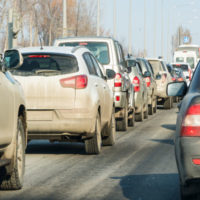 Thanksgiving is the start of the holiday season. Most families do their best to be together to keep family traditions and celebrate how thankful they are to have one another. Year after year, travelers hit the roads with the sincere and heartfelt intentions to make the most of their time with family and friends. With these earnest resolutions in mind, drivers who are on their way to join their loved ones must focus on the road to arrive safely to their destination. The following are a few safety tips for holiday travelers:
Prepare your vehicle: Make sure your vehicle is ready for a long trip by having your mechanic give it the once-over. Be sure to have the tires checked and have fluids refilled, including the gas tank.
Plan your drive: Looking at your route ahead of time gives you the option to plan for pit stops.
Pack for the road: Avoid the frustration of having to keep pulling off the road to find what you need. Instead you should keep water and snacks handy, as well as activities to keep passengers occupied.
Buckle up properly: The most important travel safety tip takes mere seconds to follow; buckle your seat belt and make sure your passengers do the same. Children under 13 should be in the backseat, and the littlest ones should be harnessed securely into a child safety seat that is appropriate for their size and weight.
Drive with focus and caution: You should follow all driving laws and speed limits, but you should also ensure that you are keeping your focus on the road ahead. You may be tempted to multitask out of boredom or necessity, but resist the urge. Let someone else change the music or hand out the snacks. Do not answer calls or texts while driving.
Drive defensively: Just as you should follow safe driving practices, you should remain aware of other drivers who do not. Stay on the lookout for the unsafe maneuvers of other drivers. While controlling the decisions and actions of other drivers is impossible, do your best to avoid any reckless drivers you may encounter. Let the speeders pass, steer clear of the erratic motorist, and yield to the impatient driver. Keeping your cool will keep you safe.
Wilmington Car Accident Lawyers at Jacobs & Crumplar, P.A. Represent Victims of Car Accidents
If you or someone you love was injured in a car accident, you may be entitled to collect damages from the driver at-fault for your accident. Contact the Wilmington car accident lawyers at Jacobs & Crumplar, P.A. to discuss your case today. Contact us online or call us at 302-656-5445 for a free consultation. With offices in Wilmington and Millsboro, Delaware, we serve clients throughout the state, including Dover, New Castle County, and Sussex County.
Drowsy Driving Truck Accidents
 Proposed changes to the hours-of-service (HOS) rules would give truck drivers more flexibility in their workday. The Federal Motor Carrier Safety Administration (FMCSA) has proposed revisions to the HOS rules, all of which are geared toward allowing truck drivers to better manage the challenges of driving long distances. The FMCSA administrator hopes that, if implemented, these changes help reduce the number of drowsy driving truck accidents that occur each year.
Consequences of Drowsy Driving
Inadequate sleep can cause drivers to be less attentive, react slower, and make poor decisions. Drowsy driving is an increasingly dangerous problem in the U.S.; the National Highway Traffic Safety Administration (NHTSA) estimates that it causes up to 100,000 accidents per year.
Commercial truck drivers are at risk for this type of accident due to the nature of their jobs. Truck drivers are often required to drive for many hours across long stretches of highway to meet tight deadlines. Without adequate sleep, these demanding schedules take an even greater toll on drivers. Also, many truck drivers have undiagnosed sleep disorders, such as sleep apnea, which can lead to daytime fatigue and falling asleep at the wheel.
Driving drowsy is in many ways similar to drunk driving. Drivers who do not obtain adequate sleep may experience impaired judgment, dulled senses, and delayed reaction times. The Centers for Disease Control and Prevention (CDC) recommends that adults get at least seven hours of sleep per night to prevent drowsy driving.
Proposed Changes to the HOS Rules
Currently, truck drivers hauling property are subject to several HOS rules. The FMCSA’s proposal would:
- Require drivers to take a break of at least 30 minutes when they drive for eight hours without interruption
- Permit drivers to split their required 10 hours off-duty into two periods; one for at least seven consecutive hours in the sleeper berth and the other for at least two consecutive hours either in the sleeper berth or off-duty
- Allow one break between 30 minutes and three hours to pause the 14-hour driving limit so long as the worker takes 10 consecutive off-duty hours at the end of their shift
- Extend the permitted driving window for the adverse driving exception to two hours
- Lengthen short-haul drivers’ maximum on-duty period from 12 to 14 hours and extend their distance limit from 100 to 150 air miles
Wilmington Truck Accident Lawyers at Jacobs & Crumplar, P.A. Represent Victims Injured in Drowsy Driving Accidents
If you were injured in a drowsy driving accident, contact a Wilmington truck accident lawyer at Jacobs & Crumplar, P.A. We can help you obtain the maximum compensation to which you are entitled. Our experienced attorneys represent clients in Dover, New Castle County, and Sussex County from our offices conveniently located in Wilmington and Georgetown, Delaware. For a free consultation, please complete our online contact form or call us at 302-656-5445.
Delayed Approval for Hours of Service Regulations
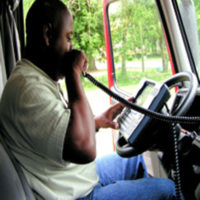 Accidents involving commercial tractor trailers have become much too common on the country’s highways. With driver fatigue among the main causes of commercial truck accidents, the federal government has instituted regulations limiting the number of service hours a commercial truck driver can operate their vehicle without taking a mandatory rest break. New proposed regulations aim to give commercial truck drivers more flexibility in adhering to the hours of service rules.
Proposed Federal Regulations
To make it easier for commercial truck drivers to adhere to the rules, the Federal Motor Carrier Safety Administration (FMCSA) has drafted new hours of service regulations. Under the new rules, commercial truck drivers would be subject to extended limits for continuous driving hours permitted and the number of hours they can operate under adverse driving conditions. The current 100 air mile short haul exemption was expanded to 14 hours on-duty and the current 30-minute mandatory break for truck drivers after driving for eight continuous hours has been revised. Other changes to regulations involve splitting up rest breaks for drivers of trucks with sleeping berths.
Public Comment Period
A public comment period prior to the implementation of the proposed regulations allows citizens, safety advocacy organizations, and industry stake holder groups, such as the Owner-Operator Independent Drivers Association or TruckerNation.org to express their concerns about the new rules. During the public comment period, the FMCSA also will hold several public listening sessions.
Continued Delay
Supporters of the proposed legislation worry the new hours of service regulations will not go into effect any time soon. The original time frame allowing for public comment on the proposed rules has been delayed as the pending review of public comments continue. Safety experts warn the number of truck collision fatalities will continue to rise until more effective hours of service regulations become law.
Compensation for Truck Accident Injuries
Fatalities involving drivers, passengers, and pedestrians frequently result from truck collisions. Truck accidents can result in serious and life-changing physical injuries. Individuals involved in collisions with trucks often suffer broken bones, loss of limbs, concussions, traumatic brain injuries, internal bleeding, organ damage, back injuries, paralysis, and other medical complications that require years of medical treatment. Medical expenses, including the cost of hospital stays, prescription drugs, physical therapy, occupational therapy, and ongoing medical testing can be a financial nightmare.
By filing a civil lawsuit against those responsible for the trucking accident, injured individuals can obtain compensation for these medical costs, the cost of the physical damage to their vehicle, and damages for their pain and suffering. Contacting an experienced Wilmington truck accident lawyer is the first step in moving forward after a truck accident.
Wilmington Truck Accident Lawyers at Jacobs & Crumplar, P.A. Assist Truck Accident Victims
If you or a loved one has suffered serious injuries in a collision with a truck, the experienced Wilmington truck accident lawyers at Jacobs & Crumplar, P.A. can help you obtain compensation for your injuries. Located in Wilmington and Georgetown, Delaware, we represent truck accident victims throughout the state, including those in Dover, New Castle County, and Sussex County. To schedule a free initial consultation today, call us at 302-656-5445 or submit an online inquiry form.
100 Deadliest Days of Summer
 From Memorial Day until Labor Day, the number of traffic accidents and fatalities involving teenagers increases. The AAA Foundation for Traffic Safety reports that an average of 10 people per day are fatally injured during this time period, which is a 14 percent increase compared to the rest of the year. This period is also known as the 100 deadliest days of summer due to the increase in fatalities.
More teens are on the road during the 100 deadliest days of summer due to summer vacation. Teenagers are more likely to engage in joy riding and driving to social events during the summer. However, teens are also more prone to distractions and are unable to control the vehicle due to their inexperience. During the summer, teens are accompanied by other teens as opposed to adults, causing an increase in distractions.
Before summer break begins, parents should discuss safe driving methods with their teen. It is important to emphasize maintaining speed limits and limiting distractions. Other points to include are:
- Nighttime driving: The AAA Foundation for Traffic Safety found that teen fatalities occur most often between 9:00 p.m. and 5:00 a.m.
- Maintaining speed limits: The AAA Foundation for Traffic Safety also found that 29 percent of motor vehicle deaths involving teen drivers was related to high speeds.
- Distracted driving: The majority of teen crashes involve distracted driving. Fifteen percent of accidents involving teens were due to distractions caused by other teenagers in the car. Teens are also increasingly distracted by their mobile devices, with approximately 12 percent of teen crashes involving cell phone usage.
What Parents Can Do
AAA suggests parents establish and enforce driving rules. Parents should insist that their teens check-in with them before driving and know where their teen is going to be at all times. Keeping open lines of communication is a good way to garner trust and cooperation from teens. Parents should also consistently enforce the driving rules and take away the teen’s driving privileges if they are violated. Though parents can set expectations, enforce rules, and be more vigilant, accidents can still happen when a teenager is behind the wheel.
Delaware Car Accident Lawyers at Jacobs & Crumplar, P.A. Advocate for Victims of All Types of Car Accidents
If you or a loved one was involved in a car accident, do not hesitate to contact the Delaware car accident lawyers at Jacobs & Crumplar, P.A. Call our office at 302-656-5445 or contact us online to set up a free consultation today. With offices in Georgetown and Wilmington, Delaware, we serve clients throughout New Castle County, Sussex County, and Dover.
Future of Artificial Intelligence and Safety Concerns
 Artificial intelligence can be used to perform a multitude of beneficial tasks at greater speeds and accuracy than relying on human intelligence alone. As the future of artificial intelligence continues to shine bright, the safety of products incorporating this technology remains an important concern for high-tech industries. Creators of artificial intelligence face legal liability when unsafe products harm users.
Handling the complex legal implications involved in accidents caused by using artificial intelligence often requires the assistance of an experienced personal injury lawyer. Some of the most common legal matters arising from the integration of artificial intelligence include accidents caused by self-driving cars, defective medical devices, and hazardous work equipment.
Dangers of Self-Driving Cars
Autonomous or self-driving cars use artificial intelligence to control direction, speed, and overall operation of the vehicle using sensors and other indicators. As artificial intelligence becomes smarter, the risks of unpredictable behavior can rise as machines attempt to predict driving patterns without the benefit of human oversight and subjective experience. When self driving vehicles hit the roadways, accidents will inevitably occur. Artificial intelligence designers and manufacturers may face liability for any resulting injuries under the legal theories of negligence or product liability.
Medical Device Risks
An increasing amount of medical devices have artificial intelligence incorporated into their design. Insulin pumps, ventilators, imaging machines, and cardiac arrest predictive tools are some of the medical devices designed to use artificial intelligence. Many clinicians rely on these applications to assess, diagnose, and treat patients. Errors in calculation made by smart devices can have devastating results for patients who are overmedicated, misdiagnosed, or improperly treated. As artificial intelligence continues to transform the medical field, new studies related to a reliance on machine learning warn that successful implementation of artificial intelligence will be possible only if safety remains a top concern. When medical professionals relinquish direct control of their patients’ safety to such technology, they potentially face legal liability based on negligence.
Work Equipment Hazards
A rise in the use of artificial intelligence in the construction industry raises safety concerns as defective automated work equipment can become hazardous for workers. Contractors are using this technology to improve productivity on worksites. The future implementation of artificial intelligence technology may include the use of robotic arms to build metal mesh infrastructures, automated masonry equipment to lay brick walls, and smart video machines to identify potentially unsafe conditions.
When autonomous machinery malfunctions, it can result in serious workplace accidents, ranging from falls and roll overs to electrocutions and explosions. When automated construction machinery fails to operate properly or artificial intelligence software develops a glitch, its creators may become legally responsible for any resulting accidents and injuries.
Wilmington Personal Injury Lawyers at Jacobs & Crumplar, P.A. Obtain Compensation for Accident Victims
Determining liability for accidents caused by the integration of artificial intelligence can be complicated. Retaining the services of the experienced Wilmington personal injury lawyers at Jacobs & Crumplar, P.A. is the first step toward navigating complex litigation matters. With offices conveniently located in Wilmington and Georgetown, Delaware, we proudly represent injured individuals throughout Dover, New Castle County, and Sussex County. To schedule a free consultation today, call us at 302-656-5445 or submit an online inquiry form.