



Operation Safe Driver Week Highlights Unsafe Driving Behaviors
 Law enforcement agencies in both the United States and Canada recently participated in “Operation Safe Driver Week” in an effort to increase driver awareness about some of the most common unsafe driving behaviors. Law enforcement agencies not only increased their enforcement efforts during this week but also participated in campaigns to educate the public about the dangers of unsafe driving behaviors. Sponsored by the Commercial Vehicle Safety Alliance, the goal of Operation Safe Driver Week was to reduce the number of deaths and injuries caused by commercial truck accidents.
Unsafe driver behavior remains the leading cause of large truck accident fatalities. Data provided by the Insurance Institute for Highway Safety (IIHS) showed that 3,852 deaths resulted from large truck crashes in 2015. Occupants of passenger vehicles that collided with trucks made up 69 percent of all fatalities. The vast majority of both large truck and passenger vehicles crashes are caused directly by driver behavior. Large truck crash causation studies, including a study done by the U.S. Department of Transportation’s Federal Motor Carrier Safety Administration, have concluded that 88 percent of all large truck crashes are the result of unsafe driver behavior.
Data gained during Operation Safe Driver Week (which ran from October 15 to October 21, 2017) revealed the most frequently occurring unsafe driving behaviors. State and local law enforcement agencies issued over 38,000 warnings or citations to commercial motor vehicle (CMV) drivers and over 20,000 warnings or citations to passenger vehicle drivers.
Study Findings
Unsafe driving behaviors that resulted in traffic warnings and/or citations for commercial vehicles such as tractor trailers or other heavy duty trucks included moving violations, speeding, failing to use a seatbelt, failing to obey traffic control devices, using a handheld phone, equipping their truck with illegal radar detectors, inattentive or careless driving and operating vehicles while sick or fatigued. The vast majority of the citations (84.2 percent) could be categorized as state or local moving violations. Moving violations could include the following types of driving behavior: following too closely to another vehicle, failing to yield to other vehicles, not driving within the proper lane or on the shoulder, failing to stop for pedestrians in crosswalks or for school buses, failing to properly secure loads and even reckless driving.
Passenger vehicle drivers were cited for similar violations including speeding, failure to use a seat belt, failure to obey traffic signals, and improper lane changes. Drivers of passenger vehicles were much more likely to be cited for speeding (43.5 percent of all citations) than CMV drivers (7.4 percent of all citations).
Wilmington Truck Accident Lawyers at Jacobs & Crumplar, P.A. Pursue Justice and Compensation for Victims of Negligence
If you have been seriously injured or suffered the wrongful death of a loved one in a truck accident, you may be entitled to compensation. An experienced Wilmington truck accident lawyer at Jacobs & Crumplar, P.A., can help you get the answers you need and the compensation you deserve. We have two conveniently located offices in Wilmington and Georgetown to serve clients in upstate and downstate, including those in Dover, Delaware. Call us today to schedule your free confidential consultation with one of our seasoned Wilmington truck accident lawyers at 302-656-5445 or contact us online.
Taking Notes After An Accident
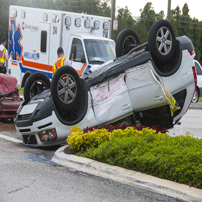 When someone is injured in an accident, whether it is a car wreck, slip and fall, or some other occurrence, it is essential to write down what transpired as soon as possible to preserve important details. Trauma and stress may affect an injured person’s ability to remember. Written notes created immediately following the accident can help the injured person recount what occurred to their insurance company or lawyer.
Include information that may be helpful when describing the circumstances leading up to the accident and how the accident occurred. Include names and contact numbers of any witnesses.
Journals Can Document Post-Accident Effects Caused by the Accident
In addition to writing down details immediately after the accident, keep a running account, or journal, of the post-accident details. These details include physical pain, medical treatment, psychological effects (for example insomnia, panic or anxiety attacks, or depression), job-related consequences, impact on personal life and relationships, and effects on everyday life.
A journal helps to document the damages suffered by the injured party. Pain and suffering damages may be available to people injured by the negligence of others. The effect an injury has on the personal life of the injured person as well as family members is part of the damages analysis. If someone is unable to participate as before in family events, childcare, housecleaning and other tasks, compensation can be sought as these are a consequence of the injury.
Also document any negative effects in the workplace. The negative impact that the injury has on the injured person’s job, including pay, performance evaluations, and consequences for missed time plays an important part of the damages analysis.
Photos
If possible, supplement documentation with photos of the area where the accident occurred. Sometimes, the area is changed following the accident, by repairs or maintenance. Photographs can preserve vital evidence and provide context. Also include contact information for businesses and residences in the area where the accident occurred as many homes and business have security cameras.
Medical Documentation is Key
Report every symptom to healthcare providers following the accident. Insurance companies or defendants may claim that injuries were not caused by the accident but were either pre-existing or caused by some other event. If a new symptom arises or a symptom worsens days or weeks after the accident, the injured party should inform his or her healthcare provider.
Some injuries are immediately evident following an accident. However, some injuries become noticeable later, and some injuries worsen over time. Report all physical, psychological, and emotional symptoms to healthcare providers. Such symptoms can include shaking, tremors, muscle spasms, headaches, stiff neck, cramps, blurry vision, depression, and confusion. Do not discount or minimize symptoms as they may be indicators of a more serious injury.
What to Tell the Insurance Company
If you have been injured in an accident, most likely you will file an insurance claim. While it is important to inform the insurance company of the claim, it is highly advisable to speak to an attorney before providing details of the accident itself or discussing any injuries.
Georgetown Personal Injury Lawyers at Jacobs & Crumplar, P.A. Obtain Maximum Compensation for Accident Victims
If you or a loved one has been injured in a car accident or other type of accident, our experienced Georgetown personal injury lawyers are prepared to help you. At Jacobs & Crumplar, P.A., our attorneys can assist you with insurance issues and help you to claim compensation for your injury-related expenses. Contact us online or call our Wilmington or Georgetown, Delaware offices at 302-656-5445 to schedule a free consultation. We represent clients throughout the state, including those in Dover, Delaware.
Holiday Drunk Driving
 As the end of the year approaches, many people have a social calendar full of parties and celebrations. Festivities typically include enjoying alcoholic drinks, making this time of year one of the most dangerous for drunk driving accidents. Especially on New Year’s Eve, the roads are full of drivers who have overestimated their ability to drive after drinking.
Effects of Alcohol on Driving
Many people have a drink for the stimulating effect – they become livelier, act happy, and “loosen up” and enjoy things more. But ironically, alcohol is classified as a depressant, so the more alcohol a person consumes, the greater its effects as a depressant. These include loss of coordination and control, impaired judgment, and loss of the ability to think rationally. That is why alcohol impaired driving is so dangerous. It is impossible to make the split-second decisions required to drive a motor vehicle.
Additionally, most social drinking happens in the evening and at night. People who decide to drive home after drinking are doing so in conditions where it is harder to see pedestrians and other unexpected obstacles. During the holiday season, they may also have winter weather conditions to contend with.
Blood Alcohol Concentration
Police measure how much alcohol a person has consumed with a breathalyzer test that determines blood alcohol concentration (BAC) or how much alcohol there is in a certain amount of blood. The legal limit in all 50 states, plus the District of Columbia and Puerto Rico is .08 grams of alcohol/deciliter of blood. Unfortunately, this does not mean that lower BAC levels are safe for driving. Many people die each year in car accidents where drivers had BAC levels of .01 to .07.
Alcoholic beverages have differing amounts of alcohol. The following list is a general, but not absolute guide to how much alcohol is in different types of alcoholic drinks. For specific amounts check the drink container.
- Beer 2–8 percent alcohol
- Cider 4–8 percent alcohol
- Wine 8–20 percent alcohol
- Tequila 40 percent alcohol
- Rum 40 percent or more alcohol
- Brandy 40 percent or more alcohol
- Gin 40–47 percent alcohol
- Whiskey 40–50 percent alcohol
- Vodka 40–50 percent alcohol
- Liqueurs 15–60 percent alcohol
Tips for Avoiding DUIs and Drunk Driving Accidents
In 2016, close to 10,500 people died in alcohol-related crashes. To avoid being hurt in a crash or hurting others, remember these tips:
- Never drink and drive. If you choose to drink at a holiday party, let someone else drive home.
- Designate a driver who will be staying sober all evening before you get to the party.
- Use the subway, a taxi service, or car service such as Lyft or Uber. Leave your car at home.
- If you see a friend who has been drinking get into their car, offer to get them a taxi. Keeping them off the road could save lives.
- Celebrate the season without alcohol.
Wilmington Car Accident Lawyers at Jacobs & Crumplar, P.A. Represent Victims of Drunk Driving Accidents
If you have been injured or suffered the wrongful death of a loved one in a car accident caused by a drunk driver, you may be entitled to compensation. Talk to a Wilmington car accident lawyer from Jacobs & Crumplar, P.A. about your legal options. We will help you obtain justice and compensation for your injuries so that you can focus on your recovery. Contact us online or call 302-656-5445 or 800-355-1818 today to schedule a free consultation about your case. From our offices in Wilmington and Georgetown, Delaware we represent clients throughout the state, including those in Dover, Delaware.
U.S. 9 Truck Bypass
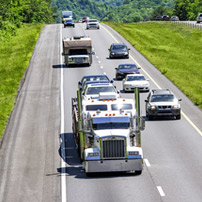 Sussex County is in the process of improving the safety of the U.S. 9 truck bypass from east of Georgetown to U.S. 113. The plan by the Delaware Department of Transportation (DelDOT) calls for upgrades to the roads used for the truck bypass including shoulders, appropriate turn lanes, and intersection improvements. The plans also address the room needed to extend the main runway of the Delaware Coastal Airport in the future.
According to DelDOT, around 800 trucks a day use the bypass, which has several locations with higher than average crash rates compared to both state and county averages. At present, the travel lanes are 10-11 feet wide and the shoulders between one and two feet. By 2040, traffic is anticipated to increase to 1,205 trucks, or about 20 percent of vehicles using the road. According to DelDOT, that number is high for comparable roads in Delaware. The increase is due in part to new commercial development in the county industrial park.
Relocating Park Avenue
The Park Avenue Relocation Project is still in the environmental assessment phase. After that there will be a 30-day public comment period. Officials are planning the initial design phase for Spring 2018 with construction starting in 2022. The project should take two years to complete and cost approximately $33.8 million. The price tag includes construction costs, relocating utilities, right-of-way, and environmental mitigation.
Residents on and near Park Avenue expressed varying reactions to the proposed plan. Some have been notified that widening the road on each side to create ten- foot shoulders will take land from their front yards. Although residents will receive compensation from DelDOT for the land, they are concerned that their property values will decrease. Increased truck traffic also means increased noise levels. Residents said that in a workshop in 2016, DelDOT presented different options for improving the truck bypass and none of them examined removing the truck traffic from residential areas and relocating the path to rural locations.
Other residents expressed relief that the truck bypass will finally have adequate shoulder space. The relocation project will widen the travel lanes to 12 feet and add ten-foot shoulders which will aid emergency vehicles trying to reach the scene of a car accident. A clear zone of 20 feet from the edge of the travel lanes will also be added. The Delaware Motor Transport Association said that truckers would welcome the improvements.
Supporting Economic Growth in Sussex County
Besides improving safety for both local and through-traffic, county officials believe that improving U.S. 9 can help east-west movement through the area which will allow the airport to grow. The Delaware Coastal Airport is a vital link in the transportation system of Southern Delaware with nearly 40,000 landings and takeoffs annually. When the relocation project is finished, the airport can consider extending the runway. Future improvements to the bypass could possibly accommodate traffic to and from the beaches and along the U.S. 113 commuter corridor.
Wilmington Truck Accident Lawyers at Jacobs & Crumplar, P.A. Advocate for Injured Victims of Truck Accidents
If you or a loved one has been injured in a truck accident, we can help you seek compensation. The Wilmington truck accident lawyers at Jacobs & Crumplar, P.A. are experienced and committed to holding those responsible for your injuries accountable for their negligence. Call 302-656-5445 or 800-355-1818 today to schedule a free consultation with a skilled Wilmington truck accident lawyer, or contact us online. We have locations in Wilmington and Georgetown to serve clients throughout Delaware.
Fatal Car Accident Involving Overturned Car in Seaford
On Monday afternoon, a fatal car accident in Seaford, Delaware claimed the life of one victim, and caused injuries to another individual. The crash occurred when a 31-year-old woman failed to stop in an intersection, and hit another car. The impact of the collision caused the woman’s car to overturn. The driver and her passenger, as well as the other driver, were brought to the Nanticoke Memorial Hospital for treatment. After arriving at the hospital, the passenger succumbed to fatal injuries while the driver who struck the other car was discharged from the hospital. The other driver required a transfer to the Peninsula Regional Medical Center.
Factors related to negligence, such as failing to obey traffic signals, contribute to many severe and life-changing accidents. Other reasons for motor vehicle crashes include drowsy driving, distracted driving, or intoxicated driving. When motorists engage in driver negligence, they may cause other drivers and passengers to suffer harm or even death.
If you or your loved one has been seriously injured in a car accident, the Delaware car accident lawyers at Jacobs & Crumplar, P.A. are here to assist you. To arrange a free consultation, contact us online or call 302-656-5445. From our offices in Wilmington and Georgetown, we represent individuals and families throughout the state, including those in Dover, Delaware.
Halloween Safety
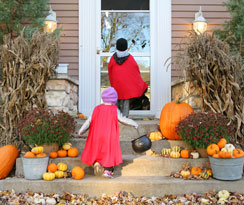 Halloween is an extremely popular holiday, with more Americans celebrating than ever before. Last year broke records as 171 million people participated in Halloween festivities, spending a new high of $8.4 billion on parties and costumes. As the holiday approaches, parents will want to include safety in their preparations for Halloween celebrations.
Safety Tips to Keep in Mind
Visibility – Remind children of the rules of right-of-way before they go out trick-or-treating. Never assume a car can see you or that it will stop for you. Use well-lit streets and stay on the sidewalks. Only cross the road at crosswalks and never from between parked cars. Costumes that are bright and reflective can help prevent children from becoming victims of a car accident. Reflective tape can be purchased to add to readymade costumes. If you must go trick-or-treating after dark, carry flashlights or wear glow sticks.
Costume Safety – See that your child’s costume is not too long so that tripping and entanglement will not be a problem. Shoes should be sturdy since most children are out in the neighborhood for at least a few hours. If the costume involves a wig or mask, make sure it does not impair your child’s vision. If possible, replace masks with face makeup to avoid this issue. If purchasing a costume, read the label to see if it is flame retardant. Any swords, sticks, or wands should be checked for sharp edges. Falling on a sharp costume accessory could cause serious injury to a child.
Treats and Sweets – Before heading out for trick-or-treating, feed everyone a light meal or healthy snack to cut down on the temptation to eat the treats being collected. Do not eat treats on the go; it is best to take them all home and have an adult help with sorting and checking before consuming. The adult can make sure no candy has been tampered with and check for allergens if necessary.
Halloween Safety at Home
Pumpkins – Small children should never carve pumpkins. They can use markers to draw a design which an adult can then carve for them. Use flameless candles to light pumpkins. If real candles are being used, then tea lights are the safest option. Never leave candles unattended or in the same room with pets. Display lit pumpkins on a solid level surface away from curtains and other flammable items.
Sidewalks and Lawns – Keep your sidewalks clear for all the costumed pedestrian traffic that will be coming through. Clean up natural debris like fallen leaves and sticks, as well as personal items like bikes and toys. Garden tools such as rakes and hoses should also be stored away to prevent a slip and fall on your property.
Wilmington Personal Injury Lawyers at Jacobs & Crumplar, P.A. Wish Everyone a Safe and Happy Halloween
Many people look forward all year to celebrating Halloween and most will have a safe and uneventful celebration. If you or someone you love suffers an injury due to the negligence of another person, contact a Wilmington personal injury lawyer at Jacobs & Crumplar, P.A. to discuss your legal options. We have over 100 years combined experience and a proven track record over a wide range of personal injury cases. Call us at 302-656-5445 or 800-355-1818 to schedule a free consultation about your case or complete our online contact form. From our offices in Wilmington and Georgetown, we serve clients throughout upstate and downstate Delaware.
Head-on Crash in Newark Hospitalizes Four Victims
 A head-on crash hospitalized four individuals in Newark, Delaware on Tuesday morning. Around 8 am, a sedan and hatchback car collided on Otts Chapel Road, leaving four victims with serious injuries. The injured were brought to Christiana Hospital for treatment.
Head-on collisions often result in catastrophic injuries to drivers and passengers. In many cases, these types of accidents are fatal. A car accident of this nature could be caused by distracted driving, drunk driving, or a host of other factors including road and weather conditions. If an accident victim survives the crash, the individual may experience long-term debilitating injuries resulting in a loss of income.
If you or a loved one has been seriously injured in a car accident, our Delaware car accident lawyers at Jacobs & Crumplar, P.A. will assist you. To arrange a free consultation, contact us online or call 302-656-5445. From our offices in Wilmington and Georgetown, we represent individuals and families throughout the state, including those in Dover, Delaware.
Study on Distracted Driving
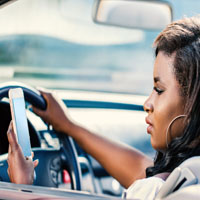 Distracted driving is defined as anything that takes a driver’s attention away from driving, such as sending a text, talking on the phone, eating, applying makeup, and listening to music. According to the Centers for Disease Control and Prevention (CDC), approximately nine people are fatally injured each day in distracted driving accidents. The National Highway Traffic Safety Administration (NHTSA) reports that 3,477 lives were lost and 391,000 people were injured in car accidents caused by distracted driving in 2015 alone.
Researchers from the University of Houston and the Texas A&M Transportation Institute strive to decrease these alarming odds by examining how drivers respond to different types of distractions. The results of their study, A Multimodal Data Set for Various Forms of Distracted Driving, were recently published in the Scientific Data journal. Participating in the study were 68 volunteers with valid driver’s licenses and normal or corrected-to-normal vision. They were placed in a driving simulator with tracking devices including thermal and visual cameras, palm sensors, heart rate and breathing rate sensors, and an eye tracking system.
The study is the first of its kind to examine the three types of driving distractions: sensorimotor, cognitive, and emotional. Sensorimotor distractions are those involving sensory and motor skills, such as texting. Cognitive distractions are those having to do with mental processing, such as absorbing thoughts. Examples of emotional distractions include both positive and negative emotions such as receiving bad news or heading to a celebration.
Drivers in the study drove the same section of highway four times – once with no distractions and once with each of the other three types of distractions. Their perspiration, heart rate, breathing rate, gaze, and facial expressions were all monitored, as well as driving performance indicators such as speed, acceleration, braking force, steering angle and lane position. Researchers noted that eye tracking and breathing rates were useful only for measuring the impact of sensorimotor distractions and not for measuring cognitive or emotional distractions.
Results of the Study
The researchers found that texting while driving, a sensorimotor distraction, led to the most dangerous driving behaviors. Those distracted by cognitive or emotional factors were protected by what the researchers call a “sixth sense.” Drivers who were texting did not experience the same intuition and allowed their vehicles to drift into other lanes.
The Director of the Center for Transportation Safety at the Texas A&M Transportation Institute praised the study for its future implications. He notes that existing smart watches are capable of measuring heart rates and says that the study has provided the groundwork for future safety systems that could detect all forms of distraction in the driver’s sympathetic system. The study’s authors agree, stating in the report that this dataset enables further research into distracted driving behaviors and ways to improve safety.
Wilmington Car Accident Lawyers at Jacobs & Crumplar, P.A. Represent Victims of Distracted Driving Accidents
If you were injured in an accident caused by a distracted driver, contact a knowledgeable Wilmington car accident lawyer at Jacobs & Crumplar, P.A. Our personal injury lawyers have extensive experience representing those injured in car accidents caused by someone else’s negligence. Our offices are located in Georgetown and Wilmington, Delaware, allowing us to serve clients throughout the state. To schedule a free consultation, contact us online or call us at 302-656-5445.