



Differences Between Bottled Water and Tap Water
Our society has vast knowledge about plastic waste and water contamination, so it may seem like a more ethical choice to get rid of bottled water and favor tap water. However, is tap water really the safest choice? When deciding whether to use primarily bottled or tap water in your home, it is important to consider the strengths and weaknesses of both options.
Advantages and Disadvantages of Bottled Water
Convenience: Bottled water is more convenient in a major way, it is easily portable. However, in other ways, it is not all that convenient. Often, you have to carry heavy cases of water from the grocery store, and then carry it into your house. Also, you must find space to store and refrigerate it. If your community recycles, which is often the case, you need to do that as well.
Cost: Depending on the type and brand of water, a gallon of bottled water can cost up to $9.50. That is nearly 2,000 times the cost of tap water, three times the national average for a gallon of milk, and four times the cost of regular grade gasoline.
Environmental impact: Although our society has improved recycling, plastic water bottles still find pollute landfills and oceans. Plastic waste is consumed by sea life, and it can also affect us when we consume fish.
Taste: Research shows most people cannot tell the difference between bottled and tap water, which is sensible, because many bottled waters are filtered tap water.
Positives and Negatives of Drinking Tap Water
Convenience: Obviously, there is nothing more convenient than getting a drink of water from the tap in your kitchen at home. Of course, it is readily available in restaurants and other locations, and it can also be found at public water fountains.
Cost: Tap water costs an insignificant amount compared to the price of bottled water. If you want additional home and sink filtration systems, factor in those costs as well.
Environmental impact: A 2018 study found that tap water has lower carbon emissions than bottled water. It also requires less energy and has an overall smaller impact on the environment in terms of ozone depletion and other factors.
Taste: Controlled blind taste tests consistently confirm that most people cannot tell the difference between bottled and tap water. If your water tastes abnormal, it might just have a higher mineral content.
Safety: The CDC reports that drinking water in this country is some of the safest water in the world. Food & Water Watch, a non-profit organization, confirms that tap water in this country is often tested more than bottled water. This surprising statistic should keep you at ease if you decide to consume tap water at home.
Delaware Environmental Lawyers at Jacobs & Crumplar, P.A. Advocate for Clients Harmed by Water Contamination
The federal Safe Drinking Water Act requires water companies to inform the public of potential hazards in their water. If you have a concern about the safety of your water or any other environmental hazard, contact one of our Delaware environmental lawyers at Jacobs & Crumplar, P.A. immediately. We are not afraid to take on the big companies whose reckless oversights caused toxic exposure.
If you wish to schedule a free consultation, contact us online or call us at 302-656-5445. Located in Wilmington and Millsboro, Delaware, we represent clients in Dover, New Castle County, and Sussex County.
50th Anniversary of Earth Day Shifts to a Global Digital Mobilization
The Earth Day Network announced that due to the recent COVID-19 pandemic, the 50th anniversary of Earth Day will be celebrated digitally. On April 22, Digital Earth Day, will take the place of physical celebrations across the United States. This digital celebration will help protect the health and safety of Earth Day volunteers and participants. The Earth Day Network urges everyone who is celebrating to avoid in-person events and, instead, participate in their social media and digital initiative. The hashtags #EarthDay2020 and #EARTHRISE will provide updates and coverage of all digital events including virtual protests, online classes and various social media campaigns.
For more information on Digital Earth Day and how you can participate, go to earthday.org.
Despite being celebrated digitally for its 50th anniversary, Earth Day remains to unite millions of people around the world to initiate change and pressure world leaders act on environmental issues. Environmental law has become very important to those who have been harmed due to exposure to toxic materials and chemicals. Earth Day brings light to these types of problems and how our community can come together to fight for better environmental laws.
If you are suffering from an illness that you believe was caused by toxic material or chemical exposure, contact the Delaware toxic tort lawyers at Jacobs & Crumplar for a free consultation. Our dedicated legal team will ensure that your rights are protected and that you receive the compensation you deserve. Call us today at 302-600-1935 or contact us online. We represent clients throughout Delaware, including those in Dover, Georgetown, and Wilmington.
Remember to celebrate Earth Day digitally this year to help spread the need for better environmental laws to protect our nation.
Delaware Launches Investigation Into Wastewater Plant
Officials in Delaware are investigating equipment malfunctions at the Lewes Wastewater Treatment Plant. The malfunction caused sewage and other pollutants to pour into a local waterway, leading to water contamination.
On Dec. 18, 2019, a leak allowed partially treated wastewater to pour into the Lewes-Rehoboth Canal for ten hours. Weeks later, problems surfaced with the equipment that was installed to treat issue, leading to a second leak that lasted two hours before repair crews could control the situation.
Thankfully, the drinking water supply was not affected by the leaks, but officials are concerned about potential environmental and economic impacts. Delaware’s Department of Natural Resources announced a joint investigation with the Lewes Board of Public Works and the city government to determine exactly what happened.
Equipment Trouble Led to Contamination
Evidently, the original leak stemmed from equipment failure that led to contaminated treatment membranes. These membranes are meant to filter wastewater. Following the ten-day repair project, the membranes were replaced and treatment resumed. However, it became clear that the water pressure threatened the stability of the new membranes. In response, plant officials spoke with the membrane manufacturers and came up with new procedures to address the strain on the membranes.
This required a two-hour repair to take place on Jan. 2, 2020. While the issue was being handled, plant operators were forced to allow untreated water to bypass the filters and flow into the waterway. While the plant was dealing with repairs, residents and businesses were asked to limit water usage, including shower time, toilet flushing, laundry, and dish washing. The fixes seem to be successful, and no further bypass operations are expected. Likewise, residents and area businesses have resumed normal water usage.
Lewes-Rehoboth Canal
Effluent flows from the Lewes plant made its way into the Lewes-Rehoboth Canal that flows into the Delaware Bay. It was determined that Rehoboth Bay was unaffected from the plant bypass incident. Studies by the Department of Natural Resources and Environmental Control had previously established that waterflows move away from the state’s inland bays. This includes Indian River Bay, Little Assawoman Bay, and Rehoboth Bay.
Health, Environmental, and Economic impacts
A warning was announced to local shellfish harvesters, stating that they had to close harvesting operations in the lower Delaware Bay. The closure affected operations from the Mispillion River Inlet to The Point at Cape Henlopen State Park, as well as waters towards the New Jersey border.
The closure is in place for three weeks following the leak, provided that discharge tests remains at acceptable levels. These standards are set by the United States Food and Drug Administration guidelines. This closure highlights risks to public health and the environment.
Delaware Environmental Lawyers at Jacobs & Crumplar, P.A. Represent Those Harmed by Water Pollution
If you have been exposed to polluted water, you may be eligible to collect damages for your illness. When waterways are contaminated, individuals are exposed to toxic and infectious substances. Our Delaware environmental lawyers at Jacobs & Crumplar, P.A. can assist you with your case. Contact us online or call us at 302-656-5445 for a free consultation. Located in Wilmington and Millsboro, Delaware, we also serve clients in Dover, New Castle County, and Sussex County.
Refinery Explosion Health Issues
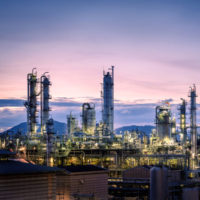 South Philadelphia is home to Philadelphia Energy Solutions, the largest oil refinery on the East Coast. In June, a leak at the refinery’s alkylation unit formed a ground-hugging vapor cloud, which subsequently caught fire, causing massive explosions that covered local neighborhoods in thick black smoke. A new report released by the U.S. Chemical Safety and Hazard Investigation Board confirms that the explosion released toxic chemicals into the air.
Health Issues from Toxic Chemicals
The report was the first confirmation that hydrofluoric acid was released into the atmosphere during the explosion. Crews were able to contain almost 2,000 pounds of the toxic chemical using water spray, but more than 3,000 pounds escaped. Hydrofluoric acid is so toxic that exposure to only 2.5 percent of body surface area can be fatal. If it makes contact with skin it can destroy deep tissue layers and even bone. Inhaling hydrofluoric acid can cause severe lung injury and even death. Residents of south Philadelphia say that since the June blast they have experienced chest pains, eye irritation, and headaches. A physician from the Center of Excellence in Environmental Toxicology at the University of Pennsylvania said that conditions like eye irritation and chemical conjunctivitis could be related to the blast.
Nowhere to Go
Residents of South Philly have their own advocacy groups and over the years they have complained about the environmental impact of the refinery in their backyard. One resident described the routine her family has developed for emergencies such as the June explosion. After being told to shelter in place, they stuffed blankets under their doors and taped plastic over the windows to minimize the risk of chemical exposure. Because they are too poor to move somewhere else, residents feel they have no say as to whether they can breathe fresh air and be healthy. In 2017, a joint report from the Clean Air Task Force and the NAACP found that African American communities are disproportionately impacted by refineries and their influence on air quality, including ozone smog and high asthma rates. Philadelphia’s childhood asthma rate is more than double the national average.
Philadelphia’s Largest Polluter
Even before the explosion the refinery had the distinction of being Philadelphia’s largest air polluter. It processes 335,000 barrels of crude oil on its 1,400 acres complex every single day. According to the Office of Sustainability, Philadelphia is the 12th most polluted city in America when measured by particulate pollution. More than 50 percent of Philadelphia’s local emissions come from the refinery. Some, but not all, of the particles emitted are visible to the human eye. The smallest particles are the biggest health hazard. In the past, the refinery has been repeatedly flagged for violations. In nine of the last 12 quarters it received High Priority Violations of the Clean Air Act.
Delaware Environmental Lawyers at Jacobs & Crumplar, P.A. Defend Those Suffering from Exposure to Toxic Chemicals
If you or someone you love suffers from injuries or illness related to toxic chemical exposure, contact an experienced Delaware environmental lawyer at Jacobs & Crumplar, P.A. Our dedicated team will fight to get you the compensation you deserve. Call us at 302-656-5445 today to schedule a confidential consultation about your case or contact us online. From our offices in Wilmington and Millsboro, Delaware, we represent satisfied clients throughout Dover, New Castle County, and Sussex County.
Workers Ill from Silica Dust
 A recent Centers for Disease Control and Prevention (CDC) report highlighted the risks of chronic respiratory illness for individuals working with engineered stone commonly used in residential and commercial buildings. Currently the most widely used material for kitchen and bathroom countertops and vanities, artificial stone in its finished form is not dangerous. Yet, workers who chisel, grind, and polish these materials inhale tiny silica particles that can lead to silicosis, a serious and fatal condition.
Silica Dust Dangers
Silica, or quartz, is a common mineral found in a wide variety of building materials, such as concrete, sand, soil, and granite. When these materials are disturbed by cutting or grinding, tiny crystalline particles become airborne. If these particles are inhaled, they can lead to debilitating and fatal conditions, including:
- Chronic Obstructive Pulmonary Disease (COPD)
- Kidney disease
- Lung cancer
- Silicosis
Silicosis develops within a few weeks to several years after exposure. Silica dust causes fluid and scar tissue to develop in the lungs, making it difficult to breathe. Over time, people with silicosis often need oxygen and other devices to help with breathing. Based on extensive scientific research on the dangers of silica dust exposure, both the World Health Organization and the American Cancer society identified crystalline silica as a known human carcinogen.
Preventing Silica Dust Exposure
In 2016, the Occupational Safety and Health Administration (OSHA) reduced the amount of silica dust permitted in workspaces by half, a move that some industry groups found excessive. Yet, others want more far-reaching safety standards that include specific guidelines for workers who cut and shape engineered stone. Currently, OSHAs’ silica standard for construction requires the following safety practices:
- Engineering controls that include wetting down workstations, vacuums, and other types of exhaust ventilation
- Work practices recommended by tool manufacturers to limit airborne particles, including wetting dust before sweeping it up
- Respirators when work practices and engineering controls are not enough to maintain safe silica levels
If you were harmed by exposure to a toxic chemical or substance, you do have recourse to seek damages for your medical bills and lost wages while you are unable to work. To receive the compensation you deserve for a preventable illness, you must prove exposure to a toxic material occurred and that exposure directly caused your illness. It takes an experienced Wilmington environmental lawyer to make this connection.
Wilmington Environmental Lawyers at Jacobs & Crumplar, P.A. Represent Clients with Health Conditions Caused by Toxic Exposure
If exposure to silica dust, mold, pesticides, or tainted water left you fighting a chronic or life-threatening condition, you may have cause to bring a claim against the person or company who should have protected you. To learn more about your rights and legal options, contact a Wilmington environmental lawyer at Jacobs & Crumplar, P.A. With offices in Wilmington and Millsboro, Delaware, we work with clients throughout the state, including Dover, New Castle County, and Sussex County. Call us at 302-656-5445 or contact us online for a free consultation.
Hydrogen Sulfide Emissions
 Hydrogen sulfide is a highly combustible gas that smells like rotten eggs. In high concentrations, the gas can cause explosions, health complications, and fire when not properly handled. Recent news reports of evacuations from sports fields located near landfills have sparked new concerns about potential exposure to the gas.
Hydrogen sulfide is a gas formed naturally in crude petroleum, natural gas, volcanic gas, hot springs, agriculture, and in the decomposition of trash and human or animal waste. Exposure of small amounts of hydrogen sulfide is not a concern, but when the gas becomes concentrated, it can lead to life-threatening complications.
Symptoms of Hydrogen Sulfide Exposure
In high concentrations, hydrogen sulfide can cause health complications. Symptoms of hydrogen sulfide exposure become more severe with prolonged exposure.
- Smell of rotten eggs is usually the first indicator for the presence of this gas
- Nausea
- Tearing of the eyes
- Headaches
- Sleep disturbances
- Bronchial constriction
- Fatigue
- Loss of appetite
- Irritability
- Memory loss
- Dizziness
- Conjunctivitis
- Upset digestion
- Coughing
- Eye irritation
- Loss of smell
- Drowsiness
- Throat irritation
- Olfactory fatigue or paralysis
- Pulmonary edema
- Loss of consciousness
- Death
Whenever symptoms appear when there is a rotten egg odor, victims should be removed from the area and placed in a well-ventilated space.
Safety Hazards Associated with Hydrogen Sulfide
Anyone working with or exposed to concentrated levels of hydrogen sulfide should be trained in the proper handling of this gas. Safety hazards associated with hydrogen sulfide include:
- Explosions
- Fire
- Emissions of toxic vapors when hydrogen sulfide is burned
- Frostbite can occur when liquid hydrogen sulfide meets skin
- Rapid loss of consciousness can cause severe injuries from falling
- High risk for burns, cuts, and lacerations from explosions and fire
Workers exposed to concentrated levels of hydrogen sulfide carry the greatest risk of complications. Those who work in confined spaces, such as manholes, sewers and sewer lines, basements, drilling, refineries of petroleum and natural gas, and those that handle or store wastewater or manure need to be properly trained on how to handle hydrogen sulfide and how to recognize symptoms of exposure to toxic levels of the gas.
Northern New Jersey Residents Upset Over Unpleasant Odors
While the general public is not normally at risk for hydrogen sulfide complications, there have been recent reports of high concentrations of the gas in outdoor areas. A soccer field was recently evacuated in northern New Jersey after dangerous levels of hydrogen sulfide were detected in the air. The soccer field is adjacent to a landfill, where the gas can build up to high levels from decomposition of organic materials.
Not only is the smell of rotten eggs offensive to residents in the area of the landfill, but evidence of high concentrations of the gas were so strong that residents worry about the effects of long-term exposure. The New Jersey Sports and Exposition Authority owns and operates the landfill and has called on engineers to design a new gas collection and control system to address the odor problem.
Delaware Environmental Lawyers at Jacobs & Crumplar, P.A. Advocate for those Exposed to Hydrogen Sulfide
If you believe you were exposed to toxic levels of hydrogen sulfide, contact the Delaware environmental lawyers at Jacobs & Crumplar, P.A. today. Call us at 302-656-5445 or contact us online to schedule a free consultation today. Located in Wilmington and Millsboro, Delaware, we serve clients throughout Dover, New Castle County, and Sussex County.
Delaware Approves Slag Facility Despite Local Fears
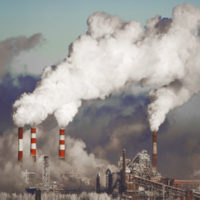 Delawareans in Wilmington and New Castle County are concerned about industrial air pollutants after state officials approved the construction of a slag-grinding facility along Christiana Avenue. Residents of nearby Southbridge have been resisting the plant’s approval on the grounds that its processing plant will spew harmful contaminants into the air they breathe.
Slag is a byproduct of steel production. The processing plant will dry and grind the slag to create an ingredient to be used in concrete. The grinding process produces dust that creates an environmental hazard. Walan Specialty Construction Products, also known as Penn Mag, recently received a permit to build the factory despite local objections.
Delaware Department of Natural Resources and Environmental Control (DNREC) called for residents to voice their concerns in 2018 and took those matters under advisement. In approving the permit, DNREC officials believed the fears of the local community were addressed. DNREC said the company will be required to implement a plan to control dust and ensure that vehicles transporting its materials avoid residential areas. The DNREC Secretary assured residents that the Division of Air Quality had performed testing that indicated the levels of air pollution would remain below federal and state guidelines.
Concerns Persist
Industrial safety materials advise against breathing in the slag dust, as it is known to cause lung damage and possibly even cancer. A report on a similar facility in Camden, New Jersey showed that processing slag accounted for about 10 percent of outdoor dust in the vicinity. Interestingly, Division of Air Quality officials did not answer questions about whether DNREC deliberations involved air quality measurements taken at an unrelated monitoring station set up two years ago in Wilmington’s Eden Park.
Opponents of the facility complained that past arrangements with similar industrial businesses have proven to be against the best interests of residents. They stated businesses that set up shop with pledges broke those promises and polluted the air with little consequence. The Division of Air Quality released a memo responding to such concerns, saying that using prior facilities in the area as a measure to gauge future operations was unfair.
Job Promises
The company intends to support the community by providing jobs, an arrangement welcomed by local unions and the port of Wilmington. Others suggested setting aside funds to address the potential health impact on locals and ongoing independent air quality monitoring.
Delaware Environmental Lawyers at Jacobs & Crumplar, P.A. Represent Air Pollution Victims
If you experienced health problems due to exposure of industrial pollutants, call the Delaware environmental lawyers at Jacobs & Crumplar, P.A. to discuss your options. For a free consultation, contact us online or call us at 302-656-5445. Located in Wilmington and Georgetown, Delaware, we represent clients in Dover, New Castle County, and Sussex County.
Lead Crisis in Newark, New Jersey
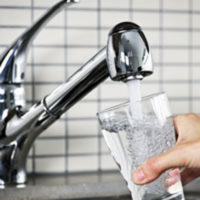 New Jersey’s largest city is facing a water crisis as lead from antiquated sewer pipes is still being detected in drinking water supplies despite the distribution of 40,000 water filters to city residents last year. The city is calling on President Trump and the Environmental Protection Agency to help fund new sewer infrastructure to replace the current system of lead pipes.
New Jersey Governor Phil Murphy and Newark Mayor Ras Baraka are enlisting the help of New Jersey legislators in writing to federal and state government officials for funds to replace the sewer system throughout the city. In the meantime, Newark residents are getting free bottled water for eating and drinking.
Attempts to Remediate the Contaminated Water Problem
Water filters given to residents last year were expected to remove 99 percent of lead from home water supplies. Recent tests taken by the EPA revealed that the lead content in a random sampling of homes still contained lead levels more than 15 parts per billion, which exceeded the federal and state standards for safe drinking water.
An estimated 15,000 residential properties were affected by the contaminated water, which means the city must now supply these homes with bottled water until the problem can be remedied. Long lines at distribution centers and problems with transportation were complicating the process for Newark residents. Newark’s poverty rate is 28 percent compared to the national poverty rate of 12.3 percent. Finding transportation to distribution centers is difficult for a large majority of people in the city, which means some residents are still dependent on contaminated water supplies.
Residents claimed they had to wait two hours in line for a case of bottled water at a senior facility distribution center. Many elderly residents in poor health have a great deal of difficulty traveling to these areas and then carrying the case of water weighing up to 30 pounds back to their home.
Health Concerns Related to Lead Exposure
The national Centers for Disease Control and Prevention claims that there are no safe levels of lead exposure. Infants, young children, and pregnant women are most susceptible to suffering health complications from lead exposure that can come from contaminated drinking water, ingestion, and through inhalation of lead particles. Once lead enters the body, it is stored in the bones and tissues of the body where it continues to infiltrate through the blood and skeletal systems.
Health concerns related to lead exposure include:
- Delayed puberty
- Attentional disorders
- Hearing and vision problems
- Neurological impairment
- Cognitive deficits
- Delayed growth in children
- High blood pressure
- Cardiovascular disease
- Nerve disorders and tremors
- Kidney disease
- Fertility problems
- Reduced fetal growth during pregnancy
Symptoms of lead poisoning in the body vary, but most commonly include:
- Abdominal pain and cramping
- Aggressive behavior
- Constipation
- Sleep disturbances
- Headaches
- Irritability
- Loss of appetite
- Fatigue
- High blood pressure
- Memory loss
Newark’s University Hospital is offering free blood tests to city residents to determine the level of lead in their body.
Delaware Environmental Lawyers at Jacobs & Crumplar, P.A. Represent Victims of Lead Exposure
If you believe you have been exposed to lead, call the Delaware environmental lawyers at Jacobs & Crumplar, P.A. today. Call us at 302-656-5445 or contact us online to schedule a free consultation. Located in Wilmington and Georgetown, Delaware, we serve clients throughout Dover, New Castle County, and Sussex County.
Air Pollution Linked to Deaths
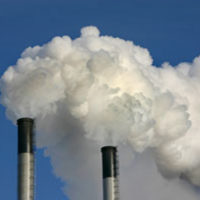 A recent study has questioned national air pollution standards and suggests that decreasing the levels allowed by law could save lives. In fact, the study claims that air pollution is responsible for as many as 30,000 deaths in 2015, the most recent year included in the study. The report, conducted by researchers from Imperial College London and the Center for Air, Climate and Energy Solutions at Carnegie Mellon University, outlined a link between deaths throughout the United States from cardiovascular conditions and the measures of air pollution present at the time.
Published in PLOS Medicine, the study reported on the measurements of air pollution particles, called atmospheric particulate matter, in the U.S. over a period of 16 years. The report demonstrated that areas with more particulate matter in the air saw more deaths from cardiorespiratory causes.
Atmospheric Particulate Matter
The study involved PM2.5, atmospheric particulate matter with a diameter of less than 2.5 micrometers, which is approximately 30 times smaller than the width of a human hair. PM2.5 is most commonly released from factories, power plants, and cars. These particles are so small that they can be inhaled and make their way into the bloodstream.
The data researchers compiled came from over 750 air quality monitoring stations throughout the contiguous U.S., along with air pollution measurements from satellite imaging and other pollution-detecting observation tools. This data was then cross-referenced with information on deaths between 1999 to 2015 recorded by the National Center for Health Statistics. Of the 41.9 million deaths in the U.S. during that period, 18.4 million resulted from cardiorespiratory conditions. Such conditions have been repeatedly linked with air pollution.
Interestingly, despite the correlation to deaths outlined in the study, the amount of PM2.5 in the air has decreased since 1999 in the U.S. The current allowable limit of PM2.5 is 12 micrograms per cubic meter of air (ug/m3). During the period highlighted by the study, there were reports of measurements as high as 22.1ug/m3. By 2015, the highest measurement was 13.2ug/m3, and the lowest recorded concentration was 2.8ug/m3.
The study used these 2015 concentrations as a range and linked 30,000 cardiorespiratory deaths to measurements between 2.8ug/m3 and 13.2ug/m3. Within this range, which it is important to note falls mostly below the current standard of 12ug/m3, an estimated 15,612 women and 14,757 men died from heart and lung conditions, including heart attacks and asthma.
Yet, current policy initiatives aim to appease industry heads and special-interest influencers to allow these limits to be relaxed. The study indicated that such a change would result in more unnecessary deaths.
Wilmington Environmental Lawyers at Jacobs & Crumplar, P.A. Advocate for Those Harmed by Air Pollutants
If you lost a family member to an illness linked to environmental factors or you are currently experiencing negative health effects after a damaging environmental exposure, the Wilmington environmental lawyers at Jacobs & Crumplar, P.A. can help you obtain compensation for your suffering. Call us today at 302-656-5445 or contact us online to set up a free consultation. Located in Wilmington and Georgetown, Delaware, we represent clients throughout Dover, New Castle County, and Sussex County.
PFAS Found in Contaminated Wells
 Recent tests on local wells near Dover Air Force Base revealed the problem of tainted wells adjacent to the base may be more widespread than once thought. Since 2015, the base has been testing nearby wells for contamination of polyfluoroalkyl substances (PFAS). One tainted well was identified in 2016. After base officials encouraged further testing, four new wells showed PFAS levels that exceeded the Environmental Protection Agency standard of 70 parts per trillion. In fact, the Delaware wells showed the fourth highest levels of PFAS toxic chemicals for all United States military sites across the country. PFAS manmade chemicals have been linked to a host of adverse health problems, including cancer. The discovery of these contaminated wells raises questions about how to protect residents accessing these wells and if it makes sense to continue with additional testing.
What are PFAS?
PFAS are manmade chemicals manufactured and are used in a variety of ways since the 1940s. While two of the more widely used chemicals in the PFAS group are no longer manufactured in the United States, they are still imported into this country in everyday consumer goods, including clothing, packaging, paper, and plastics. In Dover, residents accessing the contaminated wells are exposed to PFAS in their drinking water.
Chemicals included under the PFAS umbrella have been linked to:
- Cancer
- High cholesterol
- Low infant birth weights
- Reproductive problems
- Suppressed immune system
- Thyroid hormone disruption
In Delaware, experts believe the use of a certain type of firefighter foam is to blame for excessive PFAS levels in the contaminated wells.
Safe Water Options for PFAS Sites
Until a more permanent solution is available, the state Division of Public Health is advising impacted businesses and residents to use bottled water. In addition to providing this bottled water, the Air Force is considering long-term solutions, such as home filtration systems, connecting affected buildings to the city’s water supply, and possibly constructing new, deeper wells at these sites.
Some Delaware legislators say the Department of Defense is not doing enough to address the threat of PFAS to area residents. One top Democrat on the Senate Environment and Public Works Committee is calling for PFAS to be classified as hazardous substances subject to federal environment protection laws. Taking this step would require a more comprehensive cleanup effort from the Department of Defense. More Delaware residents may soon be asking questions about PFAS contamination as the Centers for Disease Control and Prevention recently announced plans to conduct testing around New Castle Air National Guard Base into 2020.
Georgetown Toxic Tort Lawyers at Jacobs & Crumplar, P.A. Represent Clients Exposed to Hazardous Chemicals
If you believe your illness was caused by your exposure to PFAS or other hazardous chemicals, contact a skilled Georgetown toxic tort lawyer at Jacobs & Crumplar, P.A. Toxic exposure can lead to lifelong health problems. Let us seek the compensation you deserve for your illness. Call 302-656-5445 or complete the convenient online contact form to schedule a free consultation today. Located in Georgetown and Wilmington, Delaware, we proudly represent clients throughout the state, including Dover, New Castle County, and Sussex County.