



Living Near a Hazard
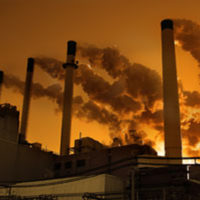 Sometimes, our neighbors can be pleasant or they can be more challenging. This is the case for residents of Grays Ferry, a neighborhood located near the gas refinery complex owned by Philadelphia Energy Solutions (PES). The refinery has been at this Philadelphia location for 150 years. The complex has since been surrounded by residential housing and the proximity has not been easy for those residents. They say that the refinery regularly spews out odors that smell like rotten eggs. In the summer, it is unpleasant to be outside due to the stench. Odors are not the only concern; residents have experienced respiratory problems, such as recurring asthma that they attribute to the refinery. Some wonder if they are experiencing toxic exposure.
EPA Regulates Refinery Emissions
Over the years, the refinery has been found to be uncompliant with the Clean Air Act. It requires pollutant levels emitted from businesses to be kept at safe levels. The Environmental Protection Agency (EPA) has set national emission standards for hazardous air pollutants for petroleum refineries. The regulatory scheme varies the standards based on the age of refineries. Standards are more stringent for newer sources. Refinery industries seem to be keeping obsolete refineries on-line for as long as possible to avoid more stringent standards.
Advocacy Organization Opposes Refinery
Over the years, there have also been numerous fires at the complex. Community organizers have formed an advocacy group called Philly Thrive to seek action from regulators. The group has advocated for the refinery to either be shut down completely or until it complies with the Clean Air Act. Some community members have feared that the only way action will happen is if a catastrophic disaster occurs at the refinery.
Concerns for safety and health increased recently when fires again erupted at PES. An explosion at the Girard Point refinery at the PES complex caused multiple fires to break out and shook the walls of nearby homes. The city ordered residents to shelter-in-place while firefighters worked to control the blaze. The blaze grew to a three alarm fire with personnel and pieces of equipment being deployed by local fire companies. Combined efforts by on-site and local firefighters enabled the fires to be contained within a few hours. Thankfully, only four people on-site were injured.
Today, industries and residential communities are often located close together. This requires careful design with safety and health of both workers and residents in mind. The urge to maximize profits must be tempered by a responsibility to be a good neighbor and keep local residents free from exposure to hazardous materials.
Delaware Environmental Lawyers at Jacobs & Crumplar, P.A. Advocate for the Safety of Those Residing Near Hazards
If you live near a hazard, you may have options to recover damages. If you are experiencing exposure to dangerous levels of air or water contaminants, a Delaware environmental lawyer at Jacobs & Crumplar, P.A. can help. Call us today at 302-656-5445 or complete an online form for a free consultation. Located in Wilmington and Georgetown, Delaware, we serve clients throughout the state, including Dover, New Castle County, and Sussex County.
Toxic School Supplies
 As students get ready to return to school in just a few weeks families are busy buying a variety of school supplies for the upcoming year. Crayons, binders, and markers top most school supply lists. For many unsuspecting parents, these very supplies can contain dangerous toxins with potentially harmful side effects.
Many parents may be unaware that certain school supplies contain toxic chemicals, which can pose a real safety threat to young children. According to a recent study by U.S. PIRG, potentially dangerous chemicals can be found in many popular brands of school supplies, including Playskool crayons, The Board Dudes dry erase markers, and Jot three-ring binders.
One of the chemicals detected was asbestos, a dangerous carcinogen that can lead to serious medical conditions, including mesothelioma or lung cancer years after initial exposure. Other dangerous toxins found in crayons, binders, water bottles, and markers included lead, phthalates, and benzene, which can affect a child’s hormonal development and future fertility. The manufacturers of the tested products have disputed the testing results.
Misleading Labels
Parents are frequently misled by product packaging that advertises school supplies as non-toxic. Currently, there are no federal or state regulations setting specific standards or verifications that a product using the term non-toxic is free of toxins. Even though these words might imply a product does not contain any materials that could lead to medical complications, this label holds little meaning without government regulation.
The parent-consumer advocacy organization, Made Safe, encourages consumers to investigate for themselves which products have been produced without known toxic materials. One indication that potentially hazardous materials could be present is when a product claims it is antimicrobial, antibacterial, or fragranced, which implies chemical use. Products made from natural materials present safer choices for parents.
Compensation for Toxic Exposure Injuries
Exposure to toxins can cause permanent disabilities and chronic medical conditions. In some cases, the adverse health effects from toxic exposure can take years to appear, often leading to misdiagnosis and missed opportunities for treatment. Individuals suffering from the effects of toxic exposure often face significant medical expenses, including the costs of medical treatment, hospital stays, physical therapy, rehabilitation services, and prescription drugs. Individuals can suffer severe financial stress due to an inability to work. By holding those companies responsible, injured individuals can receive the compensation they need to move forward with their lives.
Manufacturers of products made with toxic materials are not the only companies facing potential liability for toxic exposure injuries. The companies that distribute, design, market, and label toxic school supplies may also owe compensation to exposure victims. Given the complexities involved in bringing a civil lawsuit for toxic exposure, injured individuals should consult with an experienced chemical and toxic exposure lawyer to help them navigate the legal system.
Dover Chemical and Toxic Exposure Injury Lawyers at Jacobs & Crumplar, P.A. Obtain Compensation for Individuals Suffering Toxic Exposure Injuries
If you or a loved one developed serious medical conditions following exposure to dangerous toxins, the experienced Dover chemical and toxic exposure injury lawyers at Jacobs & Crumplar, P.A. are here to help. With offices conveniently located in Wilmington and Georgetown, Delaware, we proudly serve individuals throughout the state, including those in Dover, New Castle County, and Sussex County. To schedule a free initial consultation today, call us at 302-656-5445 or contact us online.
Delaware Waters Tested for Fecal Bacteria
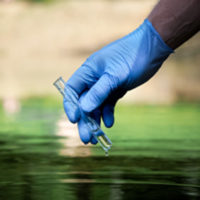 Lewes, Broadkill, and Slaughter beaches are under water advisory, according to the Delaware Department of Natural Resources and Environmental Control (DNREC). Researchers from the department’s Recreational Water Program have reported high levels of fecal bacteria. The Delaware beaches will remain under advisory until tests confirm that bacterial levels have returned to normal.
What Tests Reveal
Each week and after heavy rains, researchers from the Recreational Water Program take samples of water near swimming beaches to test for enterococcus and other potential sources of pollution. DNREC employees collect water samples, which are then cultured in a laboratory and tested for the presence of bacteria. They then estimate the concentration of the bacteria to determine whether it is over the federally mandated safe limit for beachgoers.
The current testing tool has been used for over 75 years and although the turnaround time for results is not immediate, it provides relatively quick and accurate results. Recent testing of Delaware’s recreational waters revealed a presence of fecal contamination.
How Does Fecal Bacteria Get in the Water?
An environmental scientist at the DNREC explains that enterococcus is a bacterium that grows in the guts of all warm-blooded animals, such as migratory shore birds. Often, high levels of this type of bacteria is due to an influx of seagulls defecating along the Delaware coast. According to the scientist, enterococcus itself does not make people sick. Rather, the bacterium can lead to gastrointestinal illness, particularly in vulnerable groups like the young, old, or weak. Most people in good health will not experience negative health effects from swimming in water where higher levels of bacteria are detected.
Other tests must be conducted to determine whether the fecal matter is human, which would pose a much higher health risk than if the feces came from wildlife sources. A few decades ago, people visiting beaches near sewage plants became sick from ingesting human-based bacteria. However, according to a scientist at the University of Delaware’s pollution ecology laboratory in Lewes, that is unlikely to happen today given the increased levels of treatment and sterilization of sewage system water.
Toxic Tort Claims for Water Contamination
Exposure to pollutants in water can lead to several health issues, including gastrointestinal illness, dermatitis, nerve damage, and cardiovascular problems. Federal legislation, such as the Clean Water Act and the Safe Drinking Water Act, are designed to protect people from exposure to contaminated water. Companies, as well as other responsible parties that do not comply with the legislation, may be held liable in a toxic tort claim.
Wilmington Environmental Lawyers at Jacobs & Crumplar, P.A. Represent Clients Harmed by Water Contamination
If you believe your illness was caused by exposure to contaminants in beach water or the water you use at your home, contact a Wilmington environmental lawyer at Jacobs & Crumplar, P.A. You may be entitled to compensation for your injuries. We proudly represent clients in Dover, New Castle County, and Sussex County from our offices in Georgetown and Wilmington, Delaware. For a free consultation, please complete our online contact form or call us at 302-656-5445.
California Couple Awarded $2 Billion in Roundup Cancer Case
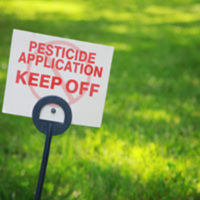 An elderly married couple who became ill after working on their Northern California family farm have been awarded more than $2 billion after proving to an Oakland, California jury that the a chemical in Monsanto’s weed-killer, Roundup, is responsible for their cancer. A Livermore, California farmer was diagnosed with non-Hodgkin’s lymphoma. Soon after, his wife was diagnosed with the same cancer four years later. The couple had used the Roundup herbicide, which contains glyphosate, for 30 years.
Produced by chemical company Monsanto, which was acquired by drug-maker Bayer in 2018, Roundup is sold throughout the U.S. Millions of homeowners continue to use this readily available glyphosate-based product for lawn and garden maintenance on their properties. Alarmingly, glyphosate was declared a probable carcinogen in 2015 by the World Health Organization’s International Research Agency for Cancer.
Two recent lawsuits in San Francisco resulted in sizable settlements in similar cases against Monsanto. In March 2019, the jury in a separate case awarded $80 million to a man who claimed that 26 years of using Roundup resulted in his cancer. There are thousands of cases filed against the makers of Monsanto, in which the plaintiffs allege that they developed cancer as a result of using the weed-killer.
A Research Dispute
The United States Environmental Protection Agency (EPA) determined that glyphosate does not cause cancer. However, some of their research has been called into question. In fact, their motives have been called suspect, as the plaintiffs’ lawyers claimed that the company used powerful connections to influence the findings released regarding the research on glyphosate. In addition to questioning the rationale behind the EPA’s safety claims, the plaintiffs’ lawyers presented internal emails of Monsanto employees attempting to entice reputable researchers to sign on to studies to assert that glyphosate is safe.
Dover Toxic Tort Lawyers at Jacobs & Crumplar, P.A. Represent Clients Injured by Harmful Chemicals
If you developed a preventable illness, such as cancer, as a result of exposure to a dangerous substance in household pesticides or other commonly available chemical products, you may be entitled to compensation for the harm inflicted upon you. The Dover toxic tort lawyers at Jacobs & Crumplar, P.A. will fight for you against the chemical companies responsible for your illness. Call us today at 302-656-5445 or contact us online to arrange a free consultation. Located in Wilmington and Georgetown, Delaware, we represent clients in Dover, New Castle County, and Sussex County.
Medical Marijuana and Employment Discrimination Law
 Under the Delaware Medical Marijuana Act, employers may not discriminate against state-licensed medical marijuana patients regarding hiring, terminating, or other conditions of employment. However, instances of workplace discrimination against this class of employees are increasing as medical marijuana use expands.
Delaware Online recently quoted Patrick C. Gallagher of Jacobs & Crumplar, P.A., regarding the rise of litigation involving employment discrimination and Delaware medical marijuana patients. (Delaware Online is part of the USA Today network.)
“It is a very new area of the law, and we are just starting to see how the courts are dealing with it,” said Gallagher. “I think that class of people who are going to have access to medical marijuana is going to expand and the possibility for discrimination is also going to expand.” At least three Delaware residents have filed lawsuits claiming employers have discriminated against them for using medical marijuana.
Medical Conditions Covered Under the Law
The Delaware Department of Health and Social Services issues identification cards to qualified medical marijuana patients. A qualifying patient is someone diagnosed by a licensed physician as having a debilitating condition that does not respond to conventional treatment. Debilitating conditions may include the following:
- Cancer
- Human immunodeficiency virus (HIV)
- Acquired immune deficiency syndrome (AIDS)
- Decompensated cirrhosis
- Amyotrophic lateral sclerosis (ALS)
- Epilepsy
- Glaucoma
- Post-traumatic stress disorder (PTSD)
- Chronic debilitating migraines
Delaware legislators are considering further expansion of the Medical Marijuana Act to include more medical conditions, such as chronic anxiety.
Examples of Workplace Discrimination in Delaware
In the lawsuits filed to date, employers are firing or otherwise discriminating against medical marijuana patients after the workers have been offered a job or have been employed.
In one case cited in Delaware Online, a veteran suffering from PTSD turned to medical marijuana after unsuccessfully trying many other prescribed medications to treat chronic sleep problems. The veteran was hired by various employers after disclosing his state-licensed medical marijuana patient ID but was subsequently fired after employer-mandated drug tests detected levels of marijuana. In another case, a card-carrying medical marijuana patient was denied a permanent position by her employer due to her marijuana use.
Reasons Why Employers Discriminate
There are likely several reasons for this type of discrimination. Employers are generally uncomfortable with seeing positive drug test results. They may fear that the employee will show up to work under the influence of, or use drugs while at work, although that would void the protections which the employee enjoys under the Delaware Medical Marijuana Act.
Employers may also be concerned about federal law, which still classifies marijuana as an illegal drug with no medical benefit. However, the Delaware Superior Court has ruled that federal law does not pre-empt Delaware’s Medical Marijuana Act in matters of discrimination in the workplace.
Medical Marijuana Law is Evolving in Delaware
Although Delaware initially passed the Medical Marijuana Act in 2011, the first dispensary in the state did not open until 2015. There are currently more than 7,000 medical marijuana patients in Delaware holding valid state-licensed IDs. As the law expands to cover more medical conditions, the number is expected to grow as well as the percentage of cardholders seeking employment.
Workers taking legal prescriptions for opiates do not face employment discrimination in the same way that medical marijuana patients do. That may change as more worker discrimination cases make their way into the courts.
Wilmington Employment Discrimination Lawyers at Jacobs & Crumplar, P.A. Advocate for the Rights of Workers Who Use Medical Marijuana
If you are a state-licensed medical marijuana patient who has experienced workplace discrimination, call the Wilmington employment discrimination lawyers at Jacobs & Crumplar, P.A. We stand ready to fight for your rights, which are guaranteed under the Delaware Medical Marijuana Act. Call us today at 302-656-5445 or contact us online to arrange an initial consultation. From our offices in Wilmington and Georgetown, Delaware, we serve clients throughout the state, including the areas of Dover, New Castle County, and Sussex County.
Delaware River Basin Fracking Ban
 Efforts to generate energy and protect the environment have been at odds for decades. Fracking, also known as hydraulic fracturing, is a technique that drills down into the earth and injects a high pressure water, sand, and chemical mix deep into shale rock formations to extract natural gas trapped inside. The process is extremely water intensive and all wastewater used in the process becomes contaminated with the proprietary chemical mix. The gas released in the process flows up through a well to be captured above ground. The well usually passes through a water table before being captured.
The Delaware River flows through New York, New Jersey, Pennsylvania, and Delaware. It has 2,000 tributaries within the surrounding watershed, which covers over 13,500 miles. The Delaware River provides drinking water and boating opportunities to millions of citizens.
Past Contamination
In the past, contamination from industrial operations and development hit the river hard. At one point, the river was so contaminated that fish could not survive. As a result, the four bordering states formed an interstate compact called the Delaware River Basin Commission to protect the river. Improvements have been made over time and fish are once again able to survive in the water. Work remains to enable the river to recover and thrive.
The river is still threatened by residual industrial contamination and overdevelopment. Today, concerns have been raised about the negative impact that nearby fracking operations have on the health of the river and the quality of the drinking water it supplies.
Governors Meet to Discuss Ban
Three of the four Governors of the compact states met recently to discuss the future of the river. The Governors were encouraged by recent federal funding for the Delaware River Basin Restoration Program and discussed programs in their states designed to address the river’s problems. Yet, more work needs to be done. Consensus is forming around the idea that preventing the contamination of drinking water is the sensible approach to protecting the public health and the health of our waterways.
The three Governors agreed that a ban on fracking within the basin will be needed to protect the river from the threat of new contamination. They signed a proclamation to reaffirm their commitment to work together to make the Delaware River Basin a national model for sustainable economic development, drinkable clean water, healthy fish and wildlife populations, outdoor recreation, and nature-based climate resilience.
Limiting Fracking and Its Damage
The Commission has proposed a prohibition on fracking in the basin. The Commission is also considering changing how contaminated wastewater generated from fracking is stored, treated, and disposed within the basin. Environmental advocacy groups support the ban on fracking and on the disposal of fracking wastewater in the basin. To date, thousands of comments have been submitted by the public on the issue.
Delaware Environmental Lawyers at Jacobs & Crumplar, P.A. Advocate for Victims Harmed by Water Contamination
Contaminated drinking water can cause serious health problems. If you have been exposed to contaminated drinking water or are concerned that water near you is being contaminated, contact a Delaware environmental lawyer at Jacobs & Crumplar, P.A. today. Call us at 302-656-5445 or complete an online form for a free consultation. Located in Wilmington and Georgetown, Delaware, we serve clients throughout the state, including Dover, New Castle County, and Sussex County.
Risk Evaluation for 40 Chemicals
 The Environmental Protection Agency (EPA) has initiated the first step in a new chemical evaluation prioritization process mandated by the Toxic Substances Control Act (TSCA). The TSCA now requires the EPA to identify 40 chemicals that will undergo a prioritization process to determine which substances require further evaluation and analysis of their safety risks.
Prioritization Process
The first step in the TSCA evaluation process took place when the EPA published a list of 40 chemicals in the Federal Register, which began a mandatory nine to 12-month evaluation for prioritization, and a 90-day period for public comment on the individual chemicals listed. Upon the completion of the 90-day public comment period, the 40 chemicals listed in the Federal Register will be designated as high or low priority. Chemicals deemed high priority will then go through a safety and risk analysis. Those deemed to be low priority will not be subjected to the second level analysis process. Chemicals that are initially designated as low priority can be moved to a high priority status later.
What Chemicals are Being Evaluated for Prioritization?
The TSCA has a current list of 40,000 chemicals, which include those substances that have one or more of the following criteria:
- Persistence and bioaccumulation scores of three or more
- Those with a known cancer risk to humans
- Chemicals with acute or chronic high toxicity levels
The 40 chemicals published in the Federal Register that are awaiting public comment and run the most risk of being deemed a high priority include:
- Seven chlorinated solvents
- Six phthalates, which are known to cause disruption to the normal hormonal balance in humans and are linked to other health complications
- Four flame retardant chemicals
- Formaldehyde
- One chemical used as a fragrance enhancer
- One polymer precursor
Prioritization levels will be determined after the 90-day period for public comment has expired.
What Happens After Prioritization?
For every chemical prioritized, the EPA is mandated to add another chemical to the prioritization process. This system will ensure that the process of evaluating chemicals for safety and public health risks continues and includes a thorough analysis of all possible safety risks. A spokesperson for the EPA released a statement that confirms the agency’s commitment to chemical safety and transparency to the public. The Frank R. Lautenberg Chemical Safety for the 21st Century Act requires the EPA to conduct investigations into the safety and public health risks for chemicals used in manufacturing and processing, as defined by the TSCA.
Georgetown Chemical Exposure Lawyers at Jacobs & Crumplar, P.A. Represent Victims Exposed to Toxic Chemicals
If you or someone you know was injured by exposure to a toxic chemical or environmental material, you may be entitled to compensation. Call the Georgetown chemical exposure lawyers at Jacobs & Crumplar, P.A. at 302-656-5445, or contact us online to schedule a free consultation today. Our Wilmington and Georgetown, Delaware offices serve clients throughout Dover, New Castle County, and Sussex County.
Near Miss Explosion at Refinery Raises Concern
 Fuel refineries use a series of chemical reactions to arrive at the final product. Hydrogen fluoride is used in the oil refining process and causes a reaction, called alkylation, to make fuel from unrefined oil. Hydrogen fluoride gas readily reacts with water to form highly corrosive hydrofluoric acid. Two workers were seriously hurt when an explosion recently occurred at an ExxonMobil refinery in Torrance, California. The incident was a near miss for a toxic hydrofluoric acid release.
Hydrofluoric acid, when vaporized, will form droplets in a low-level cloud that can travel along the ground for several miles. The effects of exposure are serious; it can burn the lungs and penetrate the skin to damage bones. A hydrofluoric acid release can also cause extensive property damage. Due to the potential catastrophic impact on workers, first responders, the environment, and residents in surrounding areas, all serious chemical accidents are investigated by the U.S. Chemical Safety Board (CSB). Its purpose is to evaluate each chemical release incident in the U.S. to find its root cause.
CSB Investigation of Explosion
Although hampered by resistance from ExxonMobil leadership, the CSB investigators were able to deduce that the accident happened during a non-routine procedure. When problems with an expander device rose, the fluid catalytic cracking unit was put on idle. Steam was then pumped into the reactor to prevent backflow of hydrocarbons into a distillation column.
Ultimately, hydrocarbons leaked into the distillation column from other equipment and reached the reactor connected to an electrostatic precipitator (ESP) device. The ESP caused sparks and ignited hydrocarbons, resulting in an explosion, which released a dust cloud extending for miles and projected large debris around the site.
Near Miss Accidents Warn of Potentially Serious Problems
Near miss accidents need to be taken seriously. Investigators found that debris landed on scaffolding around the alkylation unit and narrowly missed the tank holding thousands of pounds of hydrofluoric acid. If ruptured, the tank would have released a hydrofluoric acid cloud.
An analysis of the failure found that ExxonMobil did not adequately evaluate process hazards. Safeguards were not implemented despite the known threat of ignitable combustibles reaching the device. In addition, safety precautions at the site that required a written variance before deviating from normal operating conditions were deficient. The variance document used to address the non-routine procedure was outdated. It did not reflect changes in use of the expander that happened after the variance document was developed.
OSHA Citations Issued for Violations
In addition to the CSB, Occupational Safety and Health Administration (OSHA) investigators were on the scene to evaluate workplace hazards. They found violations of OSHA’s standard for managing processes using highly hazardous chemicals. The standard requires a system of Process Safety Management to proactively identify, evaluate, and mitigate or prevent conditions in processing equipment that can result in chemical releases from failures in the process, procedure, or equipment.
Georgetown Chemical Exposure Lawyers at Jacobs & Crumplar, P.A. Advocate for Victims of Toxic Exposure
If you were exposed to toxic chemicals in the workplace, the Georgetown chemical exposure lawyers at Jacobs & Crumplar, P.A. can help. We will review your case and help you obtain the justice you deserve. Call us today at 302-656-5445 or complete an online form for a free consultation. Located in Wilmington and Georgetown, Delaware, we serve clients throughout Dover, New Castle County, and Sussex County.
Effects of Black Mold
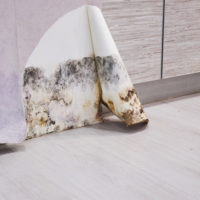 Many of us have heard warnings about black mold being dangerous. The concern is real and any exposure to this material should be avoided as much as possible. The growing mold appears in a range of colors from dark green to black and can be one of a number of different species of fungus; the most dangerous being Stachybotrys chartarum, or S. chartarum. This mold produces trichothecene mycotoxins. Black mold is toxic, can survive for extended periods of time, and is difficult to kill.
Mold tends to grow in warm, damp environments. If the humidity dries out after a mold colony has taken hold, then the mold will die. In this state, it appears to be a light gray color. Unfortunately, S. chartarum spores and the dead fungus all contain the same dangerous mycotoxins as the living form. Mold likes to grow on cellulose from trees. This same material is present in many common household products, including wood beams and dry wall. If continuous exposure to humid conditions exist in a home, then black mold is likely to grow. Once the mold is established, it can be difficult to remove.
Risk of Exposure
Black mold exposure can cause a series of related symptoms, including coughing, wheezing, nasal congestion, red or itchy eyes, sore throat, and nosebleeds. Contact with mycotoxins is especially dangerous for people with respiratory conditions such as asthma. It can worsen these conditions and cause difficulty breathing, persistent coughing, and fatigue. Those having a compromised immune system and children are at a higher risk of serious side effects from exposure to black mold.
Prolonged exposure can cause more severe health effects. Chronic exposure to black mold can cause symptoms such as nausea, vomiting, and bleeding in the lungs and nose. In rare cases, exposure can lead to severe symptoms beyond respiratory conditions, which include anxiety, memory loss, and difficulty concentrating.
Diagnosis and Treatment
Someone suspecting exposure to mold can get diagnosed using a blood test to detect antibodies produced from reacting to the mold. The usual treatment to resolve symptoms includes over-the-counter antihistamines and decongestants. Steroids may be prescribed to address inflammation and rashes.
Treatment will involve preventing future mold exposure as much as possible. In addition, sensitivity to mold can be improved through immunotherapy. Taking allergy shots over time can increase a person’s tolerance to mold and make them less susceptible to severe reactions upon future exposure.
Resolving and Combatting Mold
It is important to minimize the adverse effects of exposure to mold by removing it as soon as possible. The process will depend on where the mold is found and addressing the conditions that allowed it to grow. Commercial products can kill mold and help prevent it from returning. A simple solution of bleach and water is also helpful in destroying mold. To prevent mold, keep areas dry and check for water leaks or damage. Use exhaust fans in damp areas and keep rooms warm and well ventilated during cold weather.
Georgetown Toxic Mold Lawyers at Jacobs & Crumplar, P.A. Advocate for Victims Harmed Due to Black Mold Exposure
If you have been exposed to black mold or other toxic materials, you may be entitled to compensation to cover medical expenses and more. Contact one of our experienced Georgetown toxic mold lawyers at Jacobs & Crumplar, P.A. for a free consultation by calling 302-656-5445 or complete an online form. Located in Wilmington and Georgetown, Delaware, we serve clients throughout Dover, New Castle County, and Sussex County.
Lead in Water Contaminates Schools
 The exposure of young children to excessive levels of lead in the water at their schools is being reported throughout the country. Recent publications from researchers at the Environment America Research & Policy Center, the U.S. PIRG Education Fund, the Harvard School of Public Health, and the Robert Wood Johnson Foundation indicate widespread contaminated drinking water throughout many states.
Entering the School Water Supply
Dangerous amounts of lead typically enter a school water supply through the corrosion of metal plumbing components. Lead corrosion can occur over time depending on a variety of factors, including the amount of wear and tear on pipes, water temperature, length of time water remains in the pipes, and the presence of protective metal coatings.
Lack of Regulation
Most states have failed to institute a mandatory lead testing program requiring schools to test drinking water for excessive lead levels. Schools that rely on a public water system for their source of drinking water are not required under federal law to test this water for potential contamination. According to government records, less than half of public schools perform any lead testing on their plumbing fixtures, including faucets, fountains, and metal pipes. In those states where schools periodically test for lead, over 40 percent of facilities had at least one water sample test positive for excessive lead levels.
Dangerous Health Risks
Exposure to excessive levels of lead can result in serious physical injuries and permanent disabilities, especially in young children. Most medical experts agree that even a small amount of exposure to high lead levels in drinking water is unsafe for small children. Students exposed to excessive lead levels can see major impacts on their learning and physical growth. Lead contamination can cause a wide range of medical conditions including:
- Nerve damage to the central and peripheral nervous system
- High blood pressure
- Learning disabilities, including Attention Deficit Disorder (ADD) and Attention Deficit Hyperactivity Disorder (ADHD)
- Behavioral problems
- Lower IQ
- Shorter statute
- Impaired Hearing
- Anemia
- Seizure disorders
- Comas
Under U.S. Food and Drug Administration guidelines, bottled water must contain five parts per billion or less of lead to avoid these dangerous health risks. Researchers believe it is highly likely children are being exposed to lead levels higher than this in the drinking water at their schools.
Compensation for Lead Exposure Victims
Individuals exposed to high lead levels can develop serious medical conditions resulting in significant medical expenses. The costs of ongoing medical treatment, prescription drugs, rehabilitation services, including occupational or physical therapy, and hospital stays can be overwhelming for families caring for a sick child. To obtain compensation for these injuries, injured individuals can file a civil lawsuit against those parties responsible for the lead contamination, including the manufacturers, marketers, and installers of lead plumbing fixtures and any entity, including a school district or municipality, that negligently maintained their drinking water supplies. The first step in determining whether compensation is available is contacting an experienced environmental lawyer.
Delaware Environmental Lawyers at Jacobs & Crumplar, P.A. Assist Individuals Exposed to Lead Contamination
If you or a loved one has been contaminated by excessive lead levels in your drinking water, the experienced Delaware environmental lawyers at Jacobs & Crumplar, P.A. are here to help. Our offices are conveniently located in Wilmington and Georgetown, Delaware, to serve clients throughout Dover, New Castle County, and Sussex County. To schedule your free initial consultation today, call us at 302-656-5445 or submit an online inquiry form.