



Delaware Companies Targeted for Environmental Cleanup
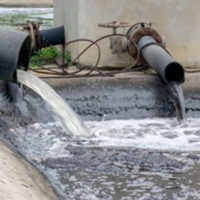 Five Delaware companies have been directed by the New Jersey Department of Environmental Protection (NJDEP) to contribute millions of dollars toward environmental cleanup efforts. According to the agency, Chemours, 3M, Dow DuPont, DuPont, and Solvay have been contaminating drinking water in different parts of New Jersey for years. The funds will go toward assessing the pollution, as well as the remediation.
Perfluoroalkyl and polyfluoroalkyl (PFAS) substances have been used to produce plastics for over 60 years in products such as water-resistant clothes, waxes, cleaning products, stain-resistant upholstery finishing, and non-stick cookware. Familiar brand names that use PFAS include Gore-Tex, Teflon, Scotchgard, and Stainmaster. PFAS substances are manufactured in plants all over the country.
PFOA and GenX, two Teflon chemicals, are linked to thyroid disease, hypertension, and certain cancers. Studies have shown that one in five residents receive tap water with traces of at least one PFAS substance; drinking water in Blades, Dover, and New Castle, Delaware have shown signs of this contamination.
The Directive
Commissioner Catherine R. McCabe emphasized that the companies have been contaminating the state’s water and creating serious health risks. She added that the companies will be held accountable for their actions. NJDEP’s directive mandates that the companies provide detailed information about the usage and discharge of PFAS, including air emissions, wastewater plants, chemical development, manufacturing, and sales.
Company Responses
A spokesperson from DuPont said that they received the directive and plan to work along with the NJDEP to understand how it will be carried out. DuPont stopped using PFOA about 10 years ago and replaced it with the GenX product. Their spin-off company, Chemours, now handles fluoroproduct operations, which includes GenX. Their response was similar, stating that they plan to work with the NJDEP.
Chemours was previously under intense media scrutiny over their use of GenX; the product was discovered in an area river that produces drinking water for 200,000 residents in North Carolina. The CEO stated that the company does not feel that GenX poses a health risk to the public. The Environmental Protection Agency (EPA) is taking steps to address the PFAS contamination. However, New Jersey’s cleanup process could take many years.
Wilmington Environmental Lawyers at Jacobs & Crumplar, P.A. Fight for Those Harmed by Contaminated Drinking Water
If your drinking water supply has been threatened, the Wilmington environmental lawyers at Jacobs & Crumplar, P.A. can help. Call us at 302-656-5445 or contact us online for a free case evaluation today. With offices in Wilmington and Georgetown, Delaware, we represent clients in Dover, New Castle County, and Sussex County.
Makeup Recall Tested Positive for Asbestos
 In March 2019, the Food and Drug Administration (FDA) released a consumer warning concerning the possibility of asbestos found in cosmetic products sold at Claire’s Stores, Inc. and Justice. Asbestos is a carcinogen that contaminates talc, a powdery substance found in common hygiene products, such as makeup; it has been used in different industries over the years but has been outlawed in recent decades. Long term exposure to asbestos can cause several forms of cancer, including mesothelioma.
Sold between October 2016 and March 2019, Claire’s Eye Shadows, Claire’s Compact Powder, and Claire’s Contour Palette have all been removed from retailer shelves. The affected products and lot numbers include:
- Claire’s Eye Shadows: Batch No/Lot No: 08/17
- Claire’s Compact Powder: Batch No/Lot No: 07/15
- Claire’s Contour Palette: Batch No/Lot No: 04/17
Any consumer who purchased these products is urged to immediately discontinue use and return the product to Claire’s for a full refund.
No Recall Issued After FDA Warning
In 2017, a concerned customer sent makeup kits sold at Claire’s to an independent testing facility where it was found positive for asbestos. Claire’s recalled nine of their makeup kits because of these results and began their own testing. The FDA also decided to get involved.
The FDA issued a warning to consumers about the presence of asbestos in products sold at Claire’s and Justice. Claire’s initially believed that the products in question were no longer sold at their stores, therefore, they did not issue a recall. After mounting pressure from the FDA and consumers, the three products that tested positive for asbestos were voluntarily recalled by Claire’s on March 12, 2019.
New Legislation
The FDA does not have the authority to recall cosmetic products like they do with other consumer products. Cosmetic manufacturers do not have to report ingredients or register with the FDA. However, The Safe Cosmetics and Personal Care Products Act of 2018 was introduced to Congress in September 2018 to allow the FDA to impose greater safety regulations concerning the cosmetic industry, giving them power to ban and recall products deemed unsafe for consumers. A potential investigation into the cosmetic industry by the House Oversight Committee is likely.
Claire’s Looks to the Future
Claire’s urges all consumers to return the affected products right away. They also claim that they discontinued the use of talc in all their products within the past year. In their recall announcement, Claire’s stated that it understands many parents trust them and expect them to hold the highest safety standards. To date, no adverse effects have been reported because of these products. All consumers that may be experiencing effects of the questioned products are urged to contact the FDA immediately.
Delaware Asbestos Lawyers at Jacobs & Crumplar, P.A. Fight for Those Affected by Asbestos Exposure
If you have suffered or been exposed to asbestos because of recalled cosmetic products, contact the Delaware asbestos lawyers at Jacobs & Crumplar, P.A. immediately. Our experienced lawyers can evaluate your claim and help fight for the compensation you rightfully deserve. Call us at 302-656-5445 or contact us online for a free consultation today. Located in Wilmington and Georgetown, Delaware, we serve clients throughout Dover, New Castle County, and Sussex County.
Lead Exposure Linked to Poor Mental Health in Adults
 From the mid-1960s until the late 1980s, gasoline was commonly treated with lead, leading to contamination of the air and soil that exposed people to the toxin. Many adults are currently living with the consequences. Today, lead poisoning is less common, but is still found in old buildings that contain lead pipes and paint.
It has long been noted that exposure to lead can cause brain development and learning problems in children. Recently, childhood exposure to the heavy metal has been linked decades later to additional negative issues experienced by now-adult subjects regarding their mental health and personality traits. JAMA Psychiatry published a report that found high readings of blood lead levels of individuals at age 11 were more likely to experience mental illness and troublesome personality traits at age 38. A previous study by the same research team linked childhood lead exposure to lower IQ and social standing decades later.
Lead Exposure Tests
If a child is tested for lead exposure, they will be flagged to undergo further testing and possible intervention if lead levels are above five micrograms per deciliter of blood (ug/dL). In the early 1970s, New Zealand was listed among the areas with the highest levels of lead. More than 1000 people born in Dunedin, New Zealand in 1972 and 1973 have been participating in an ongoing evaluation of their physical and mental health. Ninety-four percent of these participants tested above five ug/dL at age 11.
The health impacts they experienced are relatable to many people elsewhere in the world, as similar levels of lead were common in many industrialized countries at the time of the participants’ exposure. The study recorded symptoms relating to 11 different types of psychiatric disorders to calculate the psychopathology factors. The measurements took into account symptoms associated with the following mental disorders:
- Dependence on alcohol, cannabis, tobacco, and other hard drugs
- Conduct disorders
- Depression and anxiety
- Phobias
- Obsessive-Compulsive Disorder
- Mania and Schizophrenia
A study subject’s psychopathology factor score was used to indicate the number and intensity of these illnesses. Using these indicators, analysis suggests that exposure to lead affects mental health.
Personality Issues
Interviews with family and friends of the test subjects indicated that individuals with higher lead exposure levels were more neurotic and less conscientious. These traits have also been linked to difficulty in personal relationships, lack of job fulfillment, and other complaints. As the study participants age, the researchers plan to investigate a possible correlation between childhood lead exposure and diseases that develop later in life, such as dementia or cardiovascular disease. The team’s decades-long research indicates that treating symptoms and conditions that result from exposure to lead is a long-term undertaking.
Wilmington Chemical Exposure Lawyers at Jacobs & Crumplar, P.A. Help Lead Exposure Victims
If you or a loved one has suffered due to lead exposure, you are urged to contact the Wilmington chemical exposure lawyers at Jacobs & Crumplar, P.A. To schedule a free consultation, contact us online or call us at 302-656-5445. With offices located in Wilmington and Georgetown, Delaware, we proudly serve clients throughout Dover, New Castle County, and Sussex County.
DDT Exposure and Breast Cancer
 The harmful pesticide, Dichlorodiphenyltrichloroethane (DDT), is a colorless and tasteless synthetic compound that was vastly used in agricultural areas around the world. Recently, a six-decade long study conducted by the Journal of the National Cancer Institute found that there is a 40-year long correlation between the exposure of DDT and the diagnosis of breast cancer in women. Current research is beginning to show that high levels of DDT exposure increases the risk of breast cancer for women through the age of 54. The timing of the exposure of DDT is found to be imperative in terms of an early diagnosis and treatment.
Because it is a chemical that is highly soluble in water, DDT became infamous because of its environmental impact; its long life and low decay rate made it difficult to dispose of. Due to DDT’s harmful effects, its use would be banned in most countries around the world during the 1970s, including the United States in 1972. It is still used in Africa and Asia to fight malaria. Because it is hard to destroy, traces of DDT is still found in environments where it had been banned for years.
Exposure and Diagnosis
DDT is an endocrine disruptor, which is a chemical that interferes with the human body’s hormones, possibly leading to tumors and cancer. Researchers found that the chance of breast cancer increases for a woman if she is exposed to DDT while her body is going through a hormonal stage, or when the breast tissues are growing and developing.
Women who have been exposed to DDT before the age of 14 were found to have an increased risk of premenopausal breast cancer, with the highest risk to women who have been exposed before the age of three. Women exposed to DDT after the age of 14 showed an increased risk of breast cancer after menopause, but not before the age of 50. If a woman was exposed after infancy by twice the amount of DDT, their risk of postmenopausal breast cancer triples.
Researchers have found that by going back 40 years from a woman’s breast cancer diagnosis, they could approximate her first DDT exposure. By implementing this research for women, doctors can detect breast cancer at its earliest stage, increasing a woman’s chance for a positive outcome.
Wilmington Environmental Lawyers at Jacobs & Crumplar, P.A. Help Those Suffering from DDT Exposure
If you have been exposed to DDT and were diagnosed with breast cancer, contact a Wilmington environmental lawyer at Jacobs & Crumplar, P.A. Our experienced lawyers will fight for you and obtain the compensation you deserve. Call us at 302-656-5445 or contact us online for a free consultation. With offices in Georgetown and Wilmington, Delaware, we proudly serve our clients throughout the state, including New Castle County, Sussex County, and Dover.
Who is Liable for Mold in Rentals?
 Like all buildings, rental properties are susceptible to mold contamination. Landlords should check their buildings for mold regularly and immediately resolve any mold issues detected. Not only does mold remediation protect their investment from the damage caused by mold growth, but it also protects landlords from claims of negligence, as the health risks to tenants could be the basis for a lawsuit.
What is Mold?
Mold is a fungus that grows in warm, damp spaces and can be toxic to humans. Common molds can be found growing on old cheese or in moist environments, such as in shower curtains. However, these types of mold are not dangerous. Other types of mold, such as stachybotrys, penicillium, aspergillus, paecilomyces, and fusarium can cause harm to people if they are ingested, inhaled, or even touched. Molds can be black, white, green, or gray. They may be powder-like or shiny and can grow in plain sight or hidden from view.
Dangerous mold may grow anywhere that is damp, but often it becomes a problem when it grows undetected in walls and ceilings, under floors, or in basements or attics. The main factor that makes an area mold prone is the amount of moisture present.
Health Risks
Exposure to mold can cause health issues that range from mild and uncomfortable allergy-like symptoms to more severe and lasting health conditions. Common symptoms associated with mold include:
- Runny nose
- Itchy eyes
- Sneezing
- Coughing or wheezing
- Dizziness or blurred vision
- Rash
Mold can also be responsible for serious health conditions, such as Chronic Inflammatory Response Syndrome, which is associated with its own serious symptoms, including:
- Fatigue and weakness, especially after exertion
- Difficulties with memory, concentration, and decision making
- Disorientation and confusion
- Vertigo or lightheadedness
- Muscle aches, cramps, or joint pain
- Sensitivity to light, blurred vision, and tearing or burning eyes
- Cough, sinus congestion, shortness of breath, and asthma
- Gastrointestinal problems, including nausea, diarrhea, and cramping
A person with prolonged exposure to the chemicals produced by certain types of mold may develop mycotoxin toxicity, a condition that causes permanent neurological damage.
Landlord Liability
Under the law, a landlord’s property maintenance obligation involves repairing leaking pipes, windows, and roofs. If leaks are left unresolved, mold may result. Even in cases where the tenant created the conditions that allowed mold to accumulate, the law holds landlords responsible for remediating the problem. This is usually true, despite a mold clause that may exist in the rental agreement or lease.
Even if your state does not have rental laws that specifically pertain to mold, all landlords are responsible to provide safe and livable housing. The presence of dangerous mold can violate this basic law. If a tenant neglects to keep humidity and cleanliness in check, they may be at fault for creating a mold-friendly environment that may hurt their case against their landlord. Ultimately, landlords and tenants should work together to keep their property free of mold.
Delaware Toxic Mold Lawyers at Jacobs & Crumplar, P.A. Help Victims Suffering from Mold Exposure
If you or a loved one suffered from exposure to toxic mold, contact the experienced Delaware toxic mold lawyers at Jacobs & Crumplar, P.A. Call us at 302-656-5445 or contact us online to schedule a free consultation. With offices in Wilmington and Georgetown, Delaware, we represent clients in Dover, New Castle County, and Sussex County.
World Water Day
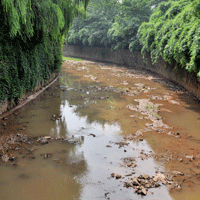 Many people are used to having clean water that they take it for granted. Those in certain parts of the world do not have to think twice about water safety and availability, yet it is a daily concern for billions across the globe. Whether it is in their homes, farms, schools, or their work, these disadvantaged people have difficulty accessing safe water. It is often seen as a form of discrimination.
Access to drinkable, usable water is a basic human right, yet the lack of it is a real emergency for so many, which is why World Water Day was created. It takes place on March 22 and is sponsored by the World Health Organization, Unicef, AquaFed, the United Nations, and other groups. Their goal is to educate, advocate, and focus on why so many are in this crisis.
Where the Contaminants Come From
The water technology company, Bluewater, conducted a survey that reported 28 percent of Americans have been confronted with water contamination from 2016 to 2018. The respondents also expressed concerns about toxic metals, lead, and chemical pollutants in their water. Nine percent said that they had to drink bottled water because of contaminated water supplies. Using plastic bottles creates more waste, which can end up in drinking water; its long-term health effects are not clear.
Bluewater’s president said that plastic bottles are a convenience, and these pollute the planet’s waters. Other sources of water contamination include water products from refineries, waste treatment plants, and factories, even though these practices are regulated. There are also indirect sources, such as groundwater and soils that contain pesticides and fertilizers; automobile and factory emissions also get into the air and water supply. Polluted water can poison people, animals, and ecosystems.
How Water Pollution Affects the Disadvantaged
Poorer communities, especially those with older and poorly functioning water systems, can be at a higher risk for toxic water consumption. Without decent water systems, these people are confronted with contaminated water and skyrocketing utility bills. This was seen in Flint, Michigan when lead-contaminated water created a public health crisis in this poverty-stricken area in 2014. The city had changed water suppliers to save money, and this led to corrosion in the pipe system.
Jacobs & Crumplar, P.A. is involved with another water contamination case that involves a lower-income area. It involves Mountaire Farms, a poultry producing factory in Millsboro, Delaware. The company is accused of violating state environmental laws, with allegations that they have contaminated the local groundwater and land. This poses health threats to people living in the area.
Equal Water Quality for All
Everyone should have access to safe water, but many factors are unjustly preventing many from having a basic human right. This is becoming an issue that spans communities across the globe. If governments start to invest in improving water infrastructures and services without bias, people of all economic and cultural backgrounds can benefit from safer water and better health. World Water Day hopes to raise awareness on this front.
Delaware Environmental Lawyers at Jacobs & Crumplar, P.A. Advocate for Victims of Contaminated Water Consumption
If you and your family are suffering the effects of toxic water, contact an experienced Delaware environmental lawyer at Jacobs & Crumplar, P.A. Call us at 302-656-5445 or complete an online form for a free consultation today. Our offices are in Wilmington and Georgetown, Delaware, where we represent clients in Dover, New Castle County, and Sussex County.
Refinery Fire Illustrates Environmental Dangers of Industrial Plants
 When the 63-year-old oil refinery hugging the edges of Delaware City began to burn earlier this month, its plumes of smoke became visual reminders of the dangers people face when they live and work close to industrial plants. Although the fire is gone and emergency response teams were heralded for their fast reactions, many individuals who reside or spend time near the refinery are still uncertain about their safety.
Problems with Industrial Fires
Fires can break out in any structure, but when those structures house chemicals and fossil fuels, they become especially hazardous. Aside from explosions that could potentially put nearby structures at risk, those types of fires can release toxic substances into the atmosphere. While not everyone may be sensitive to the contaminants of black smoke, others could experience short-term or even long-term problems.
For instance, consider someone with a compromised immune or respiratory system, such as a senior citizen or a child with asthma. For them, being close to this type of disaster could cause physical hardships, not to mention discomfort and pain.
Life Near Industries
Oil refineries are merely one type of industry that could be set up close to residential neighborhoods or office parks. From pharmaceutical makers to manufacturers of pet foods, any type of industrial firm could set up shop. This could increase risks for everyone who calls the area home, especially in the case of pollutants being released into the air and soil. Depending upon the direction of the wind or the by-products created by a disaster, like a fire, residents can be put in immediate danger.
Other Facts About the Fire
As media began to dig into the oil refinery fire, some interesting and concerning facts arose, including:
- Fires had taken place at the oil refinery previously, but were not well-known because the smoke was not as apparent.
- Environmental regulators have assured the press that no one was injured from the blaze, despite individuals noting an odor, and some reporting headaches after the fire was put out.
- Not everyone in the neighborhoods around the burning oil refinery were notified, despite emails that were allegedly distributed to specific parts of the community.
- The air has been monitored for sulfur dioxide and hydrogen sulfide, just in case. Thus far, no detection of the two hazardous chemicals has been noted by air monitoring authorities.
- The oil refinery is reportedly in violation of the Clean Air Act and has been for at least two years. Additionally, the refinery has been plagued with other environmental violations, including an unpermitted release of an unknown amount of sulfur dioxide and carbon monoxide.
Wilmington Chemical Exposure Lawyers at Jacobs & Crumplar, P.A. Hold Environmental Offenders Responsible
Not everyone lives near an oil refinery in Delaware, but many individuals and families live close to industrial structures and businesses. If you feel that a nearby industrial plant’s burn-off, run-off, or by-products may be negatively affecting you and your family, please contact the Wilmington chemical exposure lawyers at Jacobs & Crumplar, P.A. Call us today at 302-656-5445 or contact us online to set up a free initial consultation. Located in Wilmington and Georgetown, Delaware, we serve clients throughout the state, including the areas of Dover, New Castle County, and Sussex County.
Exposure to Dirty Air Could Harm Hearts of Children
 Exposure to toxins in polluted air can have devastating effects on an individual’s health. An Ohio State University study suggests there are also significant health risks for children whose parents were exposed to polluted air before the child’s conception. A parent’s exposure to polluted air prior to conceiving a child could result in serious heart problems for their child. For individuals frequently exposed to highly polluted air, such as military members and residents of large cities, the risk is even greater.
Study Findings
Researchers studied the effects of exposure to polluted air on mating mice. Results published in the Journal of the American Heart Association indicated that exposing mice to dirty air prior to their mating resulted in increased health risks for subsequent generations of mice. Offspring that were exposed to dirty air prior to conception developed heart problems, including impaired heart function, elevated markers of oxidative stress, such as low antioxidant levels, and altered amounts of beneficial calcium regulatory proteins. These heart conditions appeared in young and healthy mice who should not have been displaying increased risks for heart disease.
The study attempted to replicate dangerous contaminated air levels with harmful matter similar to levels routinely seen in large cities, such as Beijing or Los Angeles. Dirty air was created with particulate matter levels in accordance with the United States Environmental Protection Agency’s daily air quality standards. The mice were exposed to the dirty air on average for 30 hours per week prior to their mating period.
Male offspring of mice exposed to the dirty air were studied after their birth for any adverse health complications. In addition to taking basic echocardiographs on the mice, the animals’ cells were examined for typical markers of heart disease. Researchers found overwhelming evidence that the parents’ exposure to pollution prior to conception could result in harm to the offspring.
The scientists plan to continue their research by studying the differences between male and female offspring and determining if the exposure to the parent had a greater effect on the offspring. As the animal research continues, human studies are expected to follow on populations highly exposed to toxic air, such as those in New Delhi, India and Beijing, China.
Responsible Parties
Entities placing dangerous toxic substances in the air may eventually face responsibility for physical injuries. Individuals injured by exposure to toxic substances often spend significant amounts on medical treatment and rehabilitation. Other individuals suffer lost wages due to their inability to work. Individuals exposed to toxins may be entitled to compensation for any adverse health effects they suffer, including injuries to their unborn children. Corporations responsible for releasing toxins into the environment may be found responsible for causing these injuries through the filing of civil lawsuits. Consulting with an experienced environmental lawyer is the first step in determining whether compensation is available for toxic exposure injuries.
Delaware Environmental Lawyers at Jacobs & Crumplar, P.A. Help Individuals Injured by Toxic Exposure
At Jacobs & Crumplar, P.A., our experienced Delaware environmental lawyers help toxic exposure victims obtain compensation for their injuries. Our offices are conveniently located in Wilmington and Georgetown, Delaware to serve injured individuals throughout Dover, New Castle County, and Sussex County. To schedule a free consultation, call us today at 302-656-5445 or contact us online.
Attorney Crumplar Comments on Delaware Chicken Plant Wastewater Spill
 Attorney Thomas C. Crumplar of Jacobs & Crumplar, P.A. offered commentary on the wastewater spill that occurred at the Mountaire Farms poultry processing plant in Millsboro, Delaware. Up to one million gallons of partially treated wastewater was reported to have spilled onto the ground on Wednesday as a result of a machine malfunction. Although representatives for Mountaire claim the leak was contained, neighbors who reside near the plant are concerned about potential contamination of well water.
Read the article featured in Delaware Online
Read the article featured on WHYY
Attorneys at Jacobs & Crumplar and other firms are currently representing numerous Millsboro-area residents who believe they were affected by contaminated drinking water related to alleged violations on the part of Mountaire Farms.
If you believe you developed an illness due to water contamination or need legal counsel on environmental issues, contact the Delaware toxic tort lawyers at Jacobs & Crumplar, P.A. at 302-656-5445 or contact us online to schedule a free consultation We serve clients throughout Delaware, including those in Dover, Georgetown, and Wilmington, and we serve as local counsel in cases nationwide.
Delaware Prevents Lead Poisoning
 Recently, House Bill 456 made Delaware the first state to ban lead paint on outdoor structures, including water towers, bridges, playground equipment, and roads. Lead poisoning is serious and can have life-long consequences. There is no safe level of exposure and no way to reverse the effects of exposure. Exposure to lead can cause:
- Behavioral and learning disabilities in children
- Kidney damage
- Reproductive issues
- High blood pressure
- Anemia
Anyone violating the ban of lead-based paint on outdoor fixtures in Delaware could face a fine of $10,000 per day of violation. Delaware’s ban on lead-based paint for outdoor structures comes after a two-year campaign initiated by a nurse and an environmentalist. Both women are residents of the state. Although this bill marks great progress, legislatures know there is still more to be done.
Lead Paint Removal
Currently, there are no regulations in place for the removal of pre-existing lead-based paint on outdoor structures. When lead paint is removed, dust and particles enter the air. This places workers, as well as residents, at risk of lead exposure through inhaling or ingesting the particles in the atmosphere.
The Environmental Protection Agency’s (EPA) Lead Renovation, Repair and Painting Rule protects the public from lead-based paint hazards associated with renovation or removal of lead-based paint indoors and on the outside of homes. Certain safety regulations currently include:
- Removal by certified contractor
- Clearly posted warning signs
- Isolating the area to prevent dust and particles from traveling through the air
- Waste removal regulations
- Dry paint removal machines that include a vacuum attachment
Although this matter is hoped to be resolved sometime in July 2019, for now, Delaware still allows sandblasting to remove lead-based paint from outdoor structures.
Rental Inspections
The Consumer Product Safety Commission (CPSC) banned the use of lead-based paint for indoor use in 1978. Although pre-existing paint is subject to the stringent EPA regulations mentioned above, there are no mandatory inspections in place to inform renters that their rental home is lead-free.
Childhood Lead Poisoning Detection
The Centers for Disease Control and Prevention (CDC) recommend that healthcare agencies develop policies for childhood lead poisoning prevention. The recommendations include the following three prevention areas:
- Primary prevention activities: Reducing risk of lead exposure before a child is born, specifically by avoiding moving into a home with lead-based paint.
- Secondary prevention activities: Screening and reducing the effect of exposure with follow-up care.
- Monitoring activities: Development of systems to monitor children’s levels of exposure, and sources of exposure.
Although House Bill 424 would have allowed for a second childhood lead exposure test at two years old, it was not approved. The state looks to 2019 for further advances in policies regarding risk detection and poisoning prevention.
Delaware Environmental Lawyers at Jacobs & Crumplar, P.A. Advocate for Victims of Toxic Exposure
If you were exposed to lead-based paint at work or your child was exposed to lead-based paint in your home, contact a Delaware environmental lawyer at Jacobs & Crumplar, P.A. Our dedicated attorneys can help obtain the financial resources you need to move forward. Call 302-656-5445 or complete our online form for a free case evaluation. From our offices in Wilmington and Georgetown, Delaware, we represent clients in Dover, Newcastle County, and Sussex County.