



Effects of Black Mold
 Many of us have heard warnings about black mold being dangerous. The concern is real and any exposure to this material should be avoided as much as possible. The growing mold appears in a range of colors from dark green to black and can be one of a number of different species of fungus; the most dangerous being Stachybotrys chartarum, or S. chartarum. This mold produces trichothecene mycotoxins. Black mold is toxic, can survive for extended periods of time, and is difficult to kill.
Mold tends to grow in warm, damp environments. If the humidity dries out after a mold colony has taken hold, then the mold will die. In this state, it appears to be a light gray color. Unfortunately, S. chartarum spores and the dead fungus all contain the same dangerous mycotoxins as the living form. Mold likes to grow on cellulose from trees. This same material is present in many common household products, including wood beams and dry wall. If continuous exposure to humid conditions exist in a home, then black mold is likely to grow. Once the mold is established, it can be difficult to remove.
Risk of Exposure
Black mold exposure can cause a series of related symptoms, including coughing, wheezing, nasal congestion, red or itchy eyes, sore throat, and nosebleeds. Contact with mycotoxins is especially dangerous for people with respiratory conditions such as asthma. It can worsen these conditions and cause difficulty breathing, persistent coughing, and fatigue. Those having a compromised immune system and children are at a higher risk of serious side effects from exposure to black mold.
Prolonged exposure can cause more severe health effects. Chronic exposure to black mold can cause symptoms such as nausea, vomiting, and bleeding in the lungs and nose. In rare cases, exposure can lead to severe symptoms beyond respiratory conditions, which include anxiety, memory loss, and difficulty concentrating.
Diagnosis and Treatment
Someone suspecting exposure to mold can get diagnosed using a blood test to detect antibodies produced from reacting to the mold. The usual treatment to resolve symptoms includes over-the-counter antihistamines and decongestants. Steroids may be prescribed to address inflammation and rashes.
Treatment will involve preventing future mold exposure as much as possible. In addition, sensitivity to mold can be improved through immunotherapy. Taking allergy shots over time can increase a person’s tolerance to mold and make them less susceptible to severe reactions upon future exposure.
Resolving and Combatting Mold
It is important to minimize the adverse effects of exposure to mold by removing it as soon as possible. The process will depend on where the mold is found and addressing the conditions that allowed it to grow. Commercial products can kill mold and help prevent it from returning. A simple solution of bleach and water is also helpful in destroying mold. To prevent mold, keep areas dry and check for water leaks or damage. Use exhaust fans in damp areas and keep rooms warm and well ventilated during cold weather.
Georgetown Toxic Mold Lawyers at Jacobs & Crumplar, P.A. Advocate for Victims Harmed Due to Black Mold Exposure
If you have been exposed to black mold or other toxic materials, you may be entitled to compensation to cover medical expenses and more. Contact one of our experienced Georgetown toxic mold lawyers at Jacobs & Crumplar, P.A. for a free consultation by calling 302-656-5445 or complete an online form. Located in Wilmington and Georgetown, Delaware, we serve clients throughout Dover, New Castle County, and Sussex County.
Containment Approach to Prevent Metastases in Mesothelioma Patients
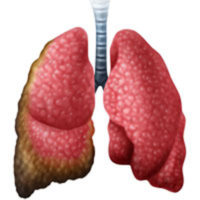 Exposure to asbestos may cause mesothelioma, an aggressive form of lung cancer for which there is currently no cure. It typically develops due to workplace exposure but can also be caused by exposure to commercial products or naturally occurring asbestos. The latency period for this disease may span for decades, with patients showing no symptoms until it has progressed to an advanced stage. The Delaware mesothelioma lawyers at Jacobs & Crumplar, P.A. are experienced in asbestos litigation and are dedicated to obtaining the maximum compensation for each client.
Current Method of Treatment for Mesothelioma
Mesothelioma is often misdiagnosed due to its tendency to be mistaken for other, less serious conditions. Therefore, patients may not be diagnosed until the disease has reached stages three or four. Although mesothelioma is currently incurable, early diagnosis and treatment can help patients live longer and more enjoyable lives. In its early stages, common mesothelioma symptoms include:
- Chest pain
- Coughing
- Fatigue
- Pleural effusion
- Shortness of breath
- Weight loss
Mesothelioma is a form of cancer that metastasizes, meaning that it spreads to other parts of the body. Despite originating and being eradicated in one location, tumors may develop in other locations, making treatment difficult. Mesothelioma originates in the lungs and then typically spreads to surrounding organs. It can spread quicker than other types of cancer because of its location next to the lungs, which circulate oxygen throughout the body.
Currently, chemotherapy and radiation are the only medically-approved treatments for mesothelioma. These methods generally work by attempting to remove and attack the cancer. Patients who undergo chemotherapy and radiation treatment may live longer, but nevertheless, the life expectancy for those with mesothelioma is approximately 12 to 21 months.
Alternative Containment Approach
An assistant professor at Purdue University is researching an alternative approach to treating metastatic cancer. Instead of attempting to kill cancer cells with chemotherapy and radiation, he suggests putting them into a state of dormancy. He notes that the problem with current approaches to metastatic cancer treatment is that they cannot keep up with the cancer’s rapid growth; doctors remove cancerous tumors and attempt to kill off any remaining cells, however, the disease spreads too quickly.
The alternate form of treatment involves containing the cancer cells and placing them into a state of permanent dormancy with the use of fostamatinib. In doing so, doctors may be able to prevent the cells from developing and multiplying, which can extend patients’ life expectancy. The assistant professor explains that keeping the cells in a low state will not generate any symptoms, thereby prolonging patients’ survival time.
Delaware Mesothelioma Lawyers at Jacobs & Crumplar, P.A. Handle Complex Asbestos Litigation Cases
If you were diagnosed with mesothelioma, contact a Delaware mesothelioma lawyer at Jacobs & Crumplar, P.A. You may be eligible for compensation from responsible parties, such as employers and product manufacturers. From our offices in Georgetown and Wilmington, Delaware, we proudly represent clients in Dover, New Castle County, and Sussex County. For a free consultation, please complete our online contact form or call us at 302-656-5445.
What are the Premises Liability Laws Regarding Swimming Pools?
 May is Water Safety Month and with summer quickly approaching, pools will open to the public. Long summer days by the pool should be a welcome treat, but receiving an injury on someone else’s property is anything but welcoming. In fact, getting hurt because a property owner failed to keep their property conditions safe is grounds for a lawsuit. If you or someone you know sustained a pool injury on a property that was not your own, you may be wondering how the premises liability laws affect you.
What is Premises Liability?
Premises liability refers to any injury a person receives on someone else’s property. The injuries received may be caused by a property owners’ failure to warn pool visitors of unsafe conditions. Premises liability is commonly associated with slip and falls and dog bites, among various other accidents occurring on someone’s property. Premises liability laws refer to a set of rules used to determine whether the property owner should be held responsible when someone is injured on their property.
Owners of public and private swimming pools face liability if an individual is injured while on the owner’s property. However, there are exceptions to this. When it comes to trespassers, a pool owner’s only responsibility is to not purposely cause the trespasser harm. If a trespasser is a child, a pool owner has an obligation to take safety precautions. Children are always owed a duty of care, according to the attractive nuisance doctrine.
A pool owner is liable for injuries when dangerous conditions are not made obvious to the public. If a pool owner fails to provide emergency safety equipment or if there are no lifeguards supervising the pool, an owner may be held liable.
Invitees and Licensees
Invitees refer to individuals from the public who are invited to use the pool. Licensees refer to social guests using a private pool. Pool owners have an obligation to keep both invitees and licensees safe while they are on the property. If they fail to do this, they may be held liable for any injuries a person sustains.
Injuries that are common in premises liability accidents include:
- Broken bones, such as the wrist, ankle, shoulder, or elbow
- Cuts, bruises, or scratches
- Pulled or twisted joints
- Shoulder dislocations
Proving Negligence
If a person is injured on someone else’s property, it does not necessarily mean the property owner is liable. Negligence requires proving that a property owner was aware of unsafe conditions and failed to fix them, which led to the injury.
Wilmington Personal Injury Lawyers at Jacobs & Crumplar, P.A. Represent Victims Filing a Personal Injury Claim
Premises liability laws can be confusing to navigate when filing a personal injury claim. A Wilmington personal injury lawyer at Jacobs & Crumplar, P.A. will get you through the process while fighting for your rights. For a free consultation, contact us online or call us at 302-656-5445. Located in Wilmington and Georgetown, Delaware, we serve clients throughout Dover, New Castle County, and Sussex County.
Lead in Water Contaminates Schools
 The exposure of young children to excessive levels of lead in the water at their schools is being reported throughout the country. Recent publications from researchers at the Environment America Research & Policy Center, the U.S. PIRG Education Fund, the Harvard School of Public Health, and the Robert Wood Johnson Foundation indicate widespread contaminated drinking water throughout many states.
Entering the School Water Supply
Dangerous amounts of lead typically enter a school water supply through the corrosion of metal plumbing components. Lead corrosion can occur over time depending on a variety of factors, including the amount of wear and tear on pipes, water temperature, length of time water remains in the pipes, and the presence of protective metal coatings.
Lack of Regulation
Most states have failed to institute a mandatory lead testing program requiring schools to test drinking water for excessive lead levels. Schools that rely on a public water system for their source of drinking water are not required under federal law to test this water for potential contamination. According to government records, less than half of public schools perform any lead testing on their plumbing fixtures, including faucets, fountains, and metal pipes. In those states where schools periodically test for lead, over 40 percent of facilities had at least one water sample test positive for excessive lead levels.
Dangerous Health Risks
Exposure to excessive levels of lead can result in serious physical injuries and permanent disabilities, especially in young children. Most medical experts agree that even a small amount of exposure to high lead levels in drinking water is unsafe for small children. Students exposed to excessive lead levels can see major impacts on their learning and physical growth. Lead contamination can cause a wide range of medical conditions including:
- Nerve damage to the central and peripheral nervous system
- High blood pressure
- Learning disabilities, including Attention Deficit Disorder (ADD) and Attention Deficit Hyperactivity Disorder (ADHD)
- Behavioral problems
- Lower IQ
- Shorter statute
- Impaired Hearing
- Anemia
- Seizure disorders
- Comas
Under U.S. Food and Drug Administration guidelines, bottled water must contain five parts per billion or less of lead to avoid these dangerous health risks. Researchers believe it is highly likely children are being exposed to lead levels higher than this in the drinking water at their schools.
Compensation for Lead Exposure Victims
Individuals exposed to high lead levels can develop serious medical conditions resulting in significant medical expenses. The costs of ongoing medical treatment, prescription drugs, rehabilitation services, including occupational or physical therapy, and hospital stays can be overwhelming for families caring for a sick child. To obtain compensation for these injuries, injured individuals can file a civil lawsuit against those parties responsible for the lead contamination, including the manufacturers, marketers, and installers of lead plumbing fixtures and any entity, including a school district or municipality, that negligently maintained their drinking water supplies. The first step in determining whether compensation is available is contacting an experienced environmental lawyer.
Delaware Environmental Lawyers at Jacobs & Crumplar, P.A. Assist Individuals Exposed to Lead Contamination
If you or a loved one has been contaminated by excessive lead levels in your drinking water, the experienced Delaware environmental lawyers at Jacobs & Crumplar, P.A. are here to help. Our offices are conveniently located in Wilmington and Georgetown, Delaware, to serve clients throughout Dover, New Castle County, and Sussex County. To schedule your free initial consultation today, call us at 302-656-5445 or submit an online inquiry form.
Overloaded and Overweight Truck Accidents
 Truck accidents cause terrible suffering and damage every day. The sheer size and weight of these trucks increase the extent of destruction and loss. Many trucks weigh up to 80,000 pounds and losing control can be extremely catastrophic. With a vehicle that size, it is much harder to regain control. An uncontrolled truck traveling at highway speeds is a danger to all vehicles on the road with the potential to cross into several lanes at once, roll over on top of nearby cars, or cause a massive multi-car pileup.
When these gigantic vehicles hit the road, the loads they carry add an additional risk. The weight of the shipment alone adds to the impact of a potential collision, but if the load is not properly packed onto the truck and adequately restrained, it may become an active impediment to road safety. Overly heavy or shifting loads can throw the truck off course. Improperly weighted loads can be too much for the brakes or body of the truck to support.
Load Weight Regulations
Each commercial truck is assigned a Gross Vehicle Weight Rating (GVWR) by the manufacturer to determine the weight that can be safely carried. The rating is established by calculating the limits of the truck’s structural parts, such as its frame and axel, as well as the limits of its mechanics, including the powertrain capacity and breaking power. The rating should be posted on the truck’s plate. The GVWR should not exceed 80,000 pounds without a special permit.
Ignoring Guidelines
Commercial truck drivers should be able to count on the materials they are shipping to be carefully loaded with all the safety guidelines in mind. When these guidelines are neglected or deliberately ignored, they can spell danger down the road. Truckers may also be at fault, as they are required to weigh their loads throughout their transportation. Weigh stations are located conveniently for their use along major highways. Sometimes, however, the weight limits are ignored in the interest of time or profit.
Overloaded Driving Dangers
Trucks carrying heavy loads are more difficult to control. Breaking can be tough and maintaining a safe speed downhill can present a problem. An overloaded truck is more susceptible to imbalance and roll-over accidents. An overloaded truck may involve items that are not secured properly that could fall onto the road.
Liability and Damages
When someone is injured in a trucking accident, there are many parties with potential liability. The driver, the trucking company, the truck manufacturer, or the shipping company may be to blame. Instinctively all those parties will point fingers at the others.
Wilmington Truck Accident Lawyers at Jacobs & Crumplar, P.A. Help Victims Obtain Compensation
If you or a loved one was involved in an accident with a commercial truck, you need the help of a legal professional who knows the trucking industry. The Wilmington truck accident lawyers at Jacobs & Crumplar, P.A. have experience confronting trucking companies, truck manufacturers, and merchandise shippers to obtain compensation for victims of truck accidents. For a free consultation, contact us online or call us at 302-656-5445 today. With offices in Wilmington and Georgetown, Delaware, we offer representation in Dover, New Castle County, and Sussex County.
Limo Liability for Prom Night Crashes
 Each spring, high school students start planning for proms, a big event that seems to become more involved each year. In addition to getting a date, buying a gown and tux, taking pictures, and planning for the after parties, hiring a limousine to transport the prom goers is often part of the preparations.
Oftentimes, large groups share a limo to save on money and add to the party atmosphere. With all the details that go into this night, some may neglect to properly research the limo company, potentially putting themselves in danger.
Limousine Crashes
Limousines are not only used for proms; they are rented for parties, airport rides, and for many other reasons. The rider’s safety rests largely on the limo driver, who could be distracted, inexperienced, or even intoxicated.
Last fall, 20 people lost their lives in a horrific limo accident in Schoharie, New York. While on its way to a party, the stretch SUV ran through a dangerous intersection, crossed a highway, and hit another vehicle that was in a parking lot. It also hit and fatally injured two pedestrians before it crashed into a ditch. Subsequent investigations found the vehicle was actually a modified Ford Excursion and had failed a safety inspection. Furthermore, the driver was not properly licensed.
Limousine Company Responsibilities
Limousine drivers must exercise caution and reasonable care while driving passengers to avoid accidents. Working long hours and dealing with factors like poor weather can affect driving abilities in some cases. This is why drivers have to be well-trained to operate these vehicles and must be attentive at all times. The limos also have to be properly maintained and pass inspections, as a tire blowout or mechanical problem such as defective brakes could easily cause a crash.
When a limo accident occurs, liability is determined in the same way as other traffic accidents, through evidence.
Choosing a Limo Company
The stretch SUV involved in the Schoharie crash was modified by being sawed in half, lengthened, and then refurbished inside. Chopping up vehicles in this way and putting them together with parts from other cars, trucks, or limos is very dangerous, according to the president of the National Safety Council. These refurbished vehicles do not always have factory-approved parts or safety equipment like seat belts and air bags. Prom goers who hire these companies are likely oblivious to all of this.
Families should take extra time to choose a properly licensed company that operates safe vehicles. Shopping around, doing research, and looking at the actual limo before the big night is recommended. This includes asking the limo company about their insurance policy and requesting a copy of it. If the company balks at this request, it may be time to find another one; a reputable company should have a solid policy with no fault provisions. This will cover passenger medical bills in case of an accident.
Wilmington Car Accident Lawyers at Jacobs & Crumplar, P.A. Recover Maximum Compensation for Victims of Negligence
If you have suffered injuries in any type of motor vehicle crash, contact the experienced Wilmington car accident lawyers at Jacobs & Crumplar, P.A. We will discuss your case with you and provide knowledgeable legal guidance. Call 302-656-5445 or complete an online contact form today. With offices in Wilmington and Georgetown, Delaware, we represent clients in Dover, New Castle County, and Sussex County.
Stages of Mesothelioma Cancer
 Individuals exposed to dangerous asbestos toxins face a risk of developing mesothelioma, a rare form of cancer that is frequently misdiagnosed as a lingering cold or flu. With many cases of mesothelioma not diagnosed for decades after the initial asbestos exposure, individuals suffering from the disease often receive treatment in its final stages. By recognizing the initial stages of this fatal disease, victims of asbestos exposure can receive medical treatment much earlier, leading to greater treatment options and better prognoses.
Initial Exposure
Individuals typically first become exposed to dangerous asbestos fibers at the workplace. Workers in the construction, shipbuilding, and automobile industries are most likely to inhale this dust-like substance. After initial exposure, it can take 20 or 40 years for mesothelioma to be diagnosed. Over 75 percent of patients diagnosed with this disease suffer from pleural mesothelioma, which has four distinct stages.
Identifying the Stages
When the cancer is identified in Stage I, mesothelioma patients have the best chance of survival when metastasis is in its earliest stages. Identified on a CT scan as an enlarged pleura, the protective lining of the lungs, Stage I is a well localized form of cancer that has not yet spread to the lymph nodes. With virtually no symptoms, it remains extremely hard to diagnose the disease.
Stage II spreads cancerous tumors to the part of the pleura covering the lungs and diaphragm. Mild chest pain, fever, weight loss, and increased fatigue may accompany this stage. When mesothelioma is identified during Stage I or II, physicians can attempt curative treatments, including surgery, radiation therapy, or chemotherapy.
As the disease develops to the final two stages, symptoms are more frequent and bothersome. The first symptoms to develop are coughing, hoarseness, severe chest pain, difficulty swallowing, and shortness of breath. Since these complaints can mimic other common respiratory illnesses, such as the flu or other viruses, physicians easily fail to diagnose mesothelioma at this stage. The cancer tumors have now spread to the chest wall, lymph nodes, and top pericardial layer.
Stage IV is the most advanced and serious stage of the disease. Tumors have invaded the chest wall, pericardium, diaphragm, and other more distant organs. Patients diagnosed with mesothelioma during its final stage face an average survival time of one year or less and are placed on palliative treatments to deal with their high pain levels.
Compensation for Individuals Exposed to Asbestos
The financial burden of dealing with a mesothelioma diagnosis can be overwhelming for families. Medical expenses include the costs of hospital stays, physician visits, diagnostic tests, X-rays, prescription drugs, rehabilitation services, and occupational or physical therapy. Injured individuals are entitled to compensation from parties responsible for the asbestos exposure, including asbestos manufacturers and construction companies. To determine if you are entitled to receive compensation for your mesothelioma injuries, contact an experienced mesothelioma lawyer.
Dover Mesothelioma Lawyers at Jacobs & Crumplar, P.A. Assist Individuals Exposed to Dangerous Asbestos
If you developed mesothelioma after being exposed to asbestos, the experienced Dover mesothelioma lawyers at Jacobs & Crumplar, P.A. can help. Located in Wilmington and Georgetown, Delaware, we proudly serve individuals throughout the state, including those in Dover, New Castle County, and Sussex County. To schedule a free consultation today, call us at 302-656-5445 or submit an online inquiry form.
Who is Liable for Mold in Rentals?
 Like all buildings, rental properties are susceptible to mold contamination. Landlords should check their buildings for mold regularly and immediately resolve any mold issues detected. Not only does mold remediation protect their investment from the damage caused by mold growth, but it also protects landlords from claims of negligence, as the health risks to tenants could be the basis for a lawsuit.
What is Mold?
Mold is a fungus that grows in warm, damp spaces and can be toxic to humans. Common molds can be found growing on old cheese or in moist environments, such as in shower curtains. However, these types of mold are not dangerous. Other types of mold, such as stachybotrys, penicillium, aspergillus, paecilomyces, and fusarium can cause harm to people if they are ingested, inhaled, or even touched. Molds can be black, white, green, or gray. They may be powder-like or shiny and can grow in plain sight or hidden from view.
Dangerous mold may grow anywhere that is damp, but often it becomes a problem when it grows undetected in walls and ceilings, under floors, or in basements or attics. The main factor that makes an area mold prone is the amount of moisture present.
Health Risks
Exposure to mold can cause health issues that range from mild and uncomfortable allergy-like symptoms to more severe and lasting health conditions. Common symptoms associated with mold include:
- Runny nose
- Itchy eyes
- Sneezing
- Coughing or wheezing
- Dizziness or blurred vision
- Rash
Mold can also be responsible for serious health conditions, such as Chronic Inflammatory Response Syndrome, which is associated with its own serious symptoms, including:
- Fatigue and weakness, especially after exertion
- Difficulties with memory, concentration, and decision making
- Disorientation and confusion
- Vertigo or lightheadedness
- Muscle aches, cramps, or joint pain
- Sensitivity to light, blurred vision, and tearing or burning eyes
- Cough, sinus congestion, shortness of breath, and asthma
- Gastrointestinal problems, including nausea, diarrhea, and cramping
A person with prolonged exposure to the chemicals produced by certain types of mold may develop mycotoxin toxicity, a condition that causes permanent neurological damage.
Landlord Liability
Under the law, a landlord’s property maintenance obligation involves repairing leaking pipes, windows, and roofs. If leaks are left unresolved, mold may result. Even in cases where the tenant created the conditions that allowed mold to accumulate, the law holds landlords responsible for remediating the problem. This is usually true, despite a mold clause that may exist in the rental agreement or lease.
Even if your state does not have rental laws that specifically pertain to mold, all landlords are responsible to provide safe and livable housing. The presence of dangerous mold can violate this basic law. If a tenant neglects to keep humidity and cleanliness in check, they may be at fault for creating a mold-friendly environment that may hurt their case against their landlord. Ultimately, landlords and tenants should work together to keep their property free of mold.
Delaware Toxic Mold Lawyers at Jacobs & Crumplar, P.A. Help Victims Suffering from Mold Exposure
If you or a loved one suffered from exposure to toxic mold, contact the experienced Delaware toxic mold lawyers at Jacobs & Crumplar, P.A. Call us at 302-656-5445 or contact us online to schedule a free consultation. With offices in Wilmington and Georgetown, Delaware, we represent clients in Dover, New Castle County, and Sussex County.
Refinery Fire Illustrates Environmental Dangers of Industrial Plants
 When the 63-year-old oil refinery hugging the edges of Delaware City began to burn earlier this month, its plumes of smoke became visual reminders of the dangers people face when they live and work close to industrial plants. Although the fire is gone and emergency response teams were heralded for their fast reactions, many individuals who reside or spend time near the refinery are still uncertain about their safety.
Problems with Industrial Fires
Fires can break out in any structure, but when those structures house chemicals and fossil fuels, they become especially hazardous. Aside from explosions that could potentially put nearby structures at risk, those types of fires can release toxic substances into the atmosphere. While not everyone may be sensitive to the contaminants of black smoke, others could experience short-term or even long-term problems.
For instance, consider someone with a compromised immune or respiratory system, such as a senior citizen or a child with asthma. For them, being close to this type of disaster could cause physical hardships, not to mention discomfort and pain.
Life Near Industries
Oil refineries are merely one type of industry that could be set up close to residential neighborhoods or office parks. From pharmaceutical makers to manufacturers of pet foods, any type of industrial firm could set up shop. This could increase risks for everyone who calls the area home, especially in the case of pollutants being released into the air and soil. Depending upon the direction of the wind or the by-products created by a disaster, like a fire, residents can be put in immediate danger.
Other Facts About the Fire
As media began to dig into the oil refinery fire, some interesting and concerning facts arose, including:
- Fires had taken place at the oil refinery previously, but were not well-known because the smoke was not as apparent.
- Environmental regulators have assured the press that no one was injured from the blaze, despite individuals noting an odor, and some reporting headaches after the fire was put out.
- Not everyone in the neighborhoods around the burning oil refinery were notified, despite emails that were allegedly distributed to specific parts of the community.
- The air has been monitored for sulfur dioxide and hydrogen sulfide, just in case. Thus far, no detection of the two hazardous chemicals has been noted by air monitoring authorities.
- The oil refinery is reportedly in violation of the Clean Air Act and has been for at least two years. Additionally, the refinery has been plagued with other environmental violations, including an unpermitted release of an unknown amount of sulfur dioxide and carbon monoxide.
Wilmington Chemical Exposure Lawyers at Jacobs & Crumplar, P.A. Hold Environmental Offenders Responsible
Not everyone lives near an oil refinery in Delaware, but many individuals and families live close to industrial structures and businesses. If you feel that a nearby industrial plant’s burn-off, run-off, or by-products may be negatively affecting you and your family, please contact the Wilmington chemical exposure lawyers at Jacobs & Crumplar, P.A. Call us today at 302-656-5445 or contact us online to set up a free initial consultation. Located in Wilmington and Georgetown, Delaware, we serve clients throughout the state, including the areas of Dover, New Castle County, and Sussex County.
Cognitive Impairment Due to Mesothelioma
 Exposure to asbestos can cause certain types of cancers, such as mesothelioma. This type of cancer occurs due to buildup of cancerous cells or tumors in the lungs, heart, and abdomen. Mesothelioma affects the lungs in many cases. Treatment for mesothelioma occurs in the form of chemotherapy, radiation therapy, and surgery. Although there is no cure for this cancer, treatments reduce symptoms and manage cancer growth. However, chemotherapy and radiation also cause psychological side effects, such as depression, fatigue, loss of interest, and cognitive impairment.
Those who are diagnosed with an early stage of mesothelioma can be treated with surgery and have a longer life expectancy. Those diagnosed in later stages may need radiation or chemotherapy, along with surgery. It is important to understand what to expect when diagnosed with mesothelioma. Often, treatment and prognosis can lead to anxiety and stress for patients and their caregivers. Awareness of psychological effects can help one recognize symptoms and seek treatment in a timely fashion.
Psychological Effects
Patients who suffer from mesothelioma complain of fatigue, depression, lack of energy, anxiety, lack of enjoyment in hobbies and activities, and general loss of interest. Certain patients even develop post-traumatic stress disorder due to the trauma of cancer diagnosis, prognosis, and treatment. Many also complain of suffering from cognitive impairments, such as memory loss.
Chemo Brain
A common symptom from treatment due to chemotherapy is referred to as chemo brain. The exact cause of this condition is unknown, however, medical providers are paying more attention to this condition and more research is being conducted to understand the risk factors. Cancer treatment causes sleep loss, fatigue, loss of red blood cell counts, and deficiencies in essential nutrients. Chemo brain is diagnosable and covered by certain health insurance plans. Mesothelioma patients should not ignore these symptoms and tell their doctors immediately if they notice symptoms to receive effective treatment.
Cognitive Impairment
Cognitive impairment or dysfunction can cause the inability to think, reason, and remember. Symptoms include the following:
- Inability to concentrate
- Inability to multi-task
- Short-term memory loss
- Difficulty remembering names, dates, and phone numbers
- Fogginess
Treatment focuses on coping mechanisms. Patients are encouraged to keep journals to document signs and symptoms, and use a daily planner to track medication, appointments with doctors, and make lists of things to do. Exercising the brain through puzzles, memory games, and learning new skills or languages will alleviate and manage these effects. Additionally, finding ways to increase naps through the day to give the brain adequate rest and relaxation will help reduce symptoms.
Delaware Mesothelioma Lawyers at Jacobs & Crumplar, P.A. Help Those Suffering from Asbestos-Related Diseases
If you are diagnosed with mesothelioma or have been exposed to asbestos and are experiencing symptoms, do not hesitate to contact a Delaware mesothelioma lawyer at Jacobs & Crumplar, P.A. Our lawyers have considerable experience in asbestos cases and can provide an evaluation of your claims. Contact our office at 302-656-5445 or contact us online to set up a free consultation. With offices in Georgetown and Wilmington, Delaware, we represent clients throughout the state, including New Castle County, Sussex County, and Dover.