



Rules for Car Emissions Lead to More Illnesses
 The Environmental Protection Agency (EPA) has the responsibility of protecting the nation’s environmental assets, including the air, land, and water. Under the Obama administration, the EPA set standards to require cars and light trucks to average about 54 miles per gallon by 2025. The decision, backed by science, was to address the environmental and health damage being caused by air pollution from cars.
Misnomer and Environmental Damage Risk
Recently, the Trump administration proposed the Safer Affordable Fuel-Efficient (SAFE) Vehicles Rule for model years 2021 to 2026. The proposed rules would substantially weaken the existing standard by capping fuel efficiency at 37 miles per gallon of gas by 2021, with no further reductions in emissions. The Trump administration claims the proposal would save consumers money and reduce highway fatalities. According to a spokesperson of the American Lung Association, the change is expected to result in more air pollution and premature fatalities.
The official environmental impact statement of the potential change, performed by the National Highway Traffic Safety Administration (NHTSA), estimated Americans would lose 17,000 days of work each year due to illnesses caused by the change. The impact statement also anticipates 199 additional cases of acute bronchitis, 62 added emergency room visits from respiratory distress, and between 134 and 299 premature fatalities each year.
Catastrophic Outcomes Anticipated
The change would do nothing to address the global warming caused by carbon dioxide gas emitted into the atmosphere from car exhausts. That threat has been agreed to by scientists to increase the temperature of the planet causing extreme weather and widespread environmental devastation.
Scientists have predicted that to avoid catastrophic damage, global warming must be kept in check to 3.6 degrees Fahrenheit above pre-industrial levels by no later than 2100. However, the impact statement predicted that without the reduction in emissions, the Earth’s temperature would rise by twice that amount. Among the catastrophic outcomes anticipated are flooding in New York, Miami, and other coastal cities.
State Standards Also Under Attack
States have long been authorized to adopt stricter air pollution standards than is required under federal law. However, the Trump administration is also trying to revoke the provision that allows states to set stricter standards. California, a leader in emissions reductions, has been joined by 16 other states in a lawsuit to fight the Trump administration’s efforts. The case is to be considered by the U.S. Court of Appeals for the District of Columbia.
When considering the adverse environmental and health effects, the decision seems suspect. One advocate said the only big winners in the change would be the oil companies. The more inefficient the vehicle, the more gas is sold. This should provide little comfort to anyone who lives on a coast, including some gas company executives.
Georgetown Environmental Lawyers at Jacobs & Crumplar, P.A. Advocate for Those Affected by Toxic Chemicals
If you have been exposed to a toxic chemical, or experienced other damage from exposure to toxic chemicals, call us today at 302-656-5445 or complete our online form to speak to one of our experienced Georgetown environmental lawyers at Jacobs & Crumplar, P.A. for a free initial consultation. With office locations in Georgetown and Wilmington, Delaware, we proudly serve clients throughout the state.
Cancer Agent in Firefighter’s Gear
 Firefighters have a higher rate of cancer than those in other professions. A few years ago, a multi-year study of 30,000 firefighters was started by the National Institute for Occupational Safety and Health (NIOSH) to look at the incidence of cancers among firefighters. It found that more cases of bladder and prostate cancers were found in younger firefighters than expected.
In the past, much of the research into this phenomenon has been focused on smoke as a possible cause. However, today researchers are looking at another potential cause. Perfluorinated alkyl substances (PFAS) are present in fire suppressing foams used by firefighters to contain fires. Perfluorooctanoic acid (PFOA) is a water repellant PFAS. It is used to make protective clothing, called turnout gear, for firefighters.
Concerns about PFAS, and specifically PFOA, as a potential carcinogen have been rising over time. The Centers for Disease Control and Prevention (CDC) recently issued a fact sheet to physicians warning them that increases in prostate, kidney, and testicular cancers were found in workers exposed to PFAS and people living near a PFOA manufacturing site.
PFOA has now been phased out of domestic manufacturing by the Environmental Protection Agency (EPA). The agency is also developing groundwater cleanup recommendations for PFOA.
Search for Answers
When a firefighter was recently diagnosed with prostate cancer, his wife sought answers. Acting on a hunch, she sent samples of her husband’s turnout gear to a lab. Results came back with a high level of PFAS. Meanwhile, a professor at the University of Notre Dame had a similar suspicion. He tested fabric swatches from unused turnout gear for fluorine, a component of PFAS. It was present in all but one of the samples. He is now conducting further studies on gear issued throughout the 2000s.
The studies will examine unused gear, gear that has been used extensively, and gear that has been washed to see if the fluorine content of the fabric and the wash water change over time.
A Manufacturer Goes Silent
One of the biggest makers of turnout gear is DuPont. The company studied PFOA in the 1990s. Some of its scientists published a paper about the potential connection between PFOA and testicular and pancreatic tumors. In 2006, DuPont issued a shareholder’s report noting that PFOA accounted for a significant part of their business and that regulating the compound could pose a significant financial burden to the company. DuPont has recently stated that it no longer makes, uses, or buys PFOA, and cannot comment on these materials.
Demand for Action
Nearly 20 years ago, an environmental attorney successfully sued a chemical manufacturer in a toxic tort case where PFOA contaminated water in West Virginia. Recently, that attorney sent a letter to federal authorities, including the EPA and the U.S. Attorney General’s office, demanding national tests be conducted on firefighters exposed to PFOA. Some states have chosen not to wait to try to protect firefighters. Washington State has banned PFOA from being used in firefighting foam and requires fire gear made with it to add a warning label.
Georgetown Toxic Tort Lawyers at Jacobs & Crumplar, P.A. Advocate for Those Harmed from Toxic Chemicals
If you have developed cancer or another disease, and believe a chemical exposure is responsible, our toxic tort firm may be able to help. Call us today at 302-656-5445 or complete our online form to reach one of our experienced Georgetown toxic tort lawyers at Jacobs & Crumplar, P.A. for a free initial consultation. With offices in Georgetown and Wilmington, Delaware, we represent clients throughout the state.
Self-Driving Car Crash Concerns
 Autonomous cars are becoming more prevalent on American roadways. It is no surprise that as we struggle to adapt to this new technology, accidents will happen. Many argue that the technology is developing faster than the law can keep up. Who is to blame when a self-driving car is involved in an accident? The time-tested framework for assigning liability for negligence and coverage through large insurance companies is being tested.
Because autonomous cars do not act the same way as “regular” cars driven by people, it can be difficult for authorities to investigate who is to blame for the accident. A 2017 accident involving a self-driving car has brought some of these problems to light.
A plaintiff motorcyclist claims that he was driving behind one of GM’s autonomous vehicles, a Chevrolet Bolt, when the car changed lanes and veered to the left. The car had a human “back-up” driver sitting behind the wheel, as required by California state law. When the car changed lanes and the cyclist pulled forward, the Bolt suddenly swerved back into the lane. The cyclist claims he was knocked off of his bike and onto the ground.
The San Francisco Police investigated the motorcycle accident and issued a report. They cited the Plaintiff cyclist for passing a vehicle on the right. The Plaintiff has retained an attorney, who says that GM should be held responsible, because his client was just innocently traveling down the road when he was struck.
GM has acknowledged that the car was in self-driving mode and aborted the lane change. However, the company notes that the motorcyclist was riding between two lanes—known as “lane-splitting.” Although this is not illegal in the state of California, the Defendants claim the man lost his balance when he saw the car heading back into his lane and simply fell.
Responsibility and Blame
Many speculate that companies like GM who manufacture autonomous vehicles are likely to quickly settle any cases where it appears that the technology may be at fault. A Stanford researcher and University of South Carolina School of Law professor has opined that if there are cases where the driver of the non-autonomous vehicle may have been to blame, it is expected that automakers will vigorously fight those lawsuits to protect their image.
For numerous reasons, accidents involving self-driving cars may be difficult to investigate. However, an experienced Wilmington car accident lawyer may be able to obtain data, including video and driving information culled from the computer technology of autonomous vehicles to help determine who is responsible.
The proliferation of self-driving cars could easily change the nature of driving across the nation. As such, how accidents will be handled will almost certainly change with it.
Wilmington Car Accident Lawyers at Jacobs & Crumplar, P.A. Represent Clients Injured by Autonomous Vehicles
If you were struck by a self-driving car, whether you were on foot, on a bike, on a motorcycle, or a driver or passenger in another car, you may be entitled to compensation for your injuries. The experienced Wilmington car accident lawyers at Jacobs & Crumplar, P.A. can help you determine your legal options in this rapidly evolving area of the law and help you pursue your claim. To schedule a free consultation, call us today at 302-656-5445 or contact us online. We proudly represent car accident victims throughout Delaware, including the communities of Wilmington, Dover, and Georgetown, Delaware.
Keeping Halloween Safe
 Whether you are a ghost, vampire, or cartoon character, October 31st is a time across the United States for anticipation of tricks, treats, and excitement. Yet this traditional night of fun for kids can be a big worry for parents of trick-or-treaters everywhere, so good Halloween preparation is the key.
The Centers for Disease Control and Prevention (CDC) estimates that on Halloween night, children ages 14 and under have a four-times greater risk of being hit by a car. These accidents can happen from the combination of higher numbers of distracted pedestrians and drivers who do not react in a timely manner on dark roads.
Another hazard is slips and falls. Falls can happen due to long trailing costumes, masks and wigs getting in the way when the child may be carrying everything from a lightsaber to large candy containers.
Here are some safety tips on how to keep it a spooky and fun All Hallows’ Eve this year, and every year, while avoiding injury.
Tips for Safe Trick-or-Treating
Talking to kids in advance is as much a part of good Halloween planning as the costume and makeup. If older kids are going out together, make sure that all in the group have an adult emergency contact, and an established area to visit.
Advise children to never enter a stranger’s home or car, no matter the reason, and set a specific time to return home.
Staying on a designated route and going only to homes with lights on is important. Remember that at night, drivers may not see a child walking until it is too late.
To reduce the chance of pedestrian and car accidents, only cross in a group at crosswalks or lights, and remind younger children never to cut out between cars. Fluorescent tape and flashlights are a good tip to help pedestrians be more visible to drivers.
Taking a neighborhood shortcut may be common in the daytime, but cutting through dark yards at night can mean falls, injuries, run-ins with animals and dog bites, and a sudden end to trick-or-treating fun.
Finally, adults should check all candy upon return, and discard unsealed treats from unknown sources.
Fire Safety
Many traditionally lighted Jack O’ Lanterns have been replaced by LED lighting. Yet fire hazards with candles and decorations are still something to be prepared for.
As with all youth attire, check the label first on purchased costumes and wigs, to ensure that they are certified flame resistant. The risk of potential for hazards presented by costume materials is something to be especially mindful of.
For homemade Halloween outfits, be careful about loose fabric. It is not a bad idea for small children in particular to rehearse the stop-drop-and-roll routine, in case of fire.
Delaware Personal Injury Lawyers at Jacobs & Crumplar, P.A. Assist Those Injured by the Negligence of Others
The Delaware personal injury lawyers at Jacobs & Crumplar, P.A. have the experience you need if you have been injured in an accident due to another’s negligence. From our offices in Wilmington and Georgetown, we serve clients in Wilmington, Dover, Georgetown, and throughout Delaware. If you or someone you know has been injured, contact us online or call 302-656-5445 for a free consultation.
Drowsy Driving Risks in the Ridesharing Industry
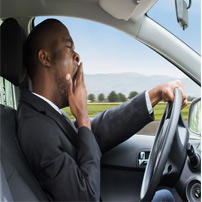 Many individuals now turn to ridesharing companies such as Lyft or Uber for their transportation needs. As independent contractors, the majority of ridesharing drivers are not screened for potential medical problems or tracked with respect to the number of hours they have been driving. This has resulted in an increasing public safety risk due to drowsy driving.
Drowsy driving occurs when a driver operates their vehicle under a state of extreme fatigue or sleepiness. Signs of drowsy driving can include a driver’s inability to keep their eyes open, extended periods of eye drooping, and drifting from one lane of traffic into another.
The Centers for Disease Control and Prevention (CDC) estimates that one in 25 drivers over the age of 18 have fallen asleep behind the wheel during the previous 30 days.
According to the AAA Foundation for Traffic Safety, drowsy driving was a factor in serious car accidents resulting in at least 6,400 deaths last year. Over 320,000 traffic accidents in the United States each year are attributed to drowsy driving. The CDC believes drowsy driving is underreported, and thus these numbers are, in fact, higher.
Potentially Higher Risks for Rideshare Drivers
Ridesharing drivers can be particularly susceptible to drowsy driving. Many rideshare drivers operate their vehicles after extended periods of wakefulness or during the night, two of the risk factors for drowsy driving. This can lead to fatigue and sleeplessness – the primary causes of drowsy driving.
Ongoing medical conditions such as sleep apnea may also contribute to drowsy driving. Since ridesharing drivers often are not screened for medical conditions, this also increases the risk to public safety.
The American Academy of Sleep Medicine recently published a position statement in the Journal of Clinical Sleep Medicine highlighting the inherent safety risks in the ridesharing industry. Their position statement calls for a collaborative effort among ridesharing companies, government agencies, medical professionals, and law enforcement to reduce the public safety risk created by drowsy driving.
Addressing the Concerns
Ridesharing companies have begun to respond to the problem of drowsy driving. Lyft drivers must now take a six-hour break for every 14 hours of driving time. Uber requires its drivers to go offline for six consecutive hours after 12 hours of total driving time. It remains unclear how effective these limits will be, however, as many ridesharing drivers work for more than one ridesharing company.
Wilmington Car Accident Lawyers at Jacobs & Crumplar, P.A. Assist Victims of Drowsy Driving Accidents
If you or a loved one has been injured as a result of drowsy driving, compensation may be available. The experienced Wilmington car accident lawyers at Jacobs & Crumplar, P.A. work with drowsy driving accident victims to help them obtain the maximum compensation possible. We have offices conveniently located in Wilmington and Georgetown, Delaware to serve clients throughout the state. Contact us online or call us at 302-656-5445 to schedule a free consultation.
The Risk of Asbestos Exposure After a Disaster
 Beyond the immediate loss and devastation that natural disasters like Hurricane Katrina and tragedies like Sept. 11 cause, exposure to toxic substances left behind after these events pose an ongoing risk to victims and first responders. One of the most common and lethal of these substances is asbestos. This carcinogenic substance can be released or made airborne after a disaster. After all we know about the declining health of many first responders on the scene of floods, explosions, and other disasters, questions arise as to how to best protect men, women, and children from asbestos exposure after these events.
What is Asbestos?
Asbestos is a group of minerals that are found naturally in the environment. These minerals can be separated into narrow, durable fibers for use in many commercial applications. Because asbestos fibers are strong, flexible, and fire-resistant, it has been widely-used in countless ways since the late 1800s, well before the risks of exposure were known. Asbestos has been used in insulation, roofing, pipes, tiles, paints, and plastics.
Why is Asbestos Dangerous?
When products containing asbestos are damaged or disrupted, asbestos fibers may be released into the air. When humans inhale these fibers, they become lodged in the lungs. In time, this leads to scarring and serious respiratory problems. The United States Department of Health and Human Services and several other health agencies have classified asbestos as a human carcinogen, a substance known to cause cancer. It has been shown to cause mesothelioma, a rare but incurable cancer of membranes lining the abdomen and chest.
Toxic Exposure After a Disaster
History has shown us that firefighters, law enforcement officials, EMTs, and other rescue workers and demolition crews, who are often first on the scene of a natural or man made disaster, are at significant risk of exposure to toxic substances like asbestos. According to ongoing research, 43 percent of 65,000 workers involved in the rescue and clean-up effort after Sept. 11 have been diagnosed with a chronic health condition caused by toxic exposure. Their rate of cancer is 20 percent higher than workers who were not at the scene.
After a disaster, everyone wants the cleanup effort to move quickly, but it should not be at the expense of our first responders rushing into help. The Environmental Protection Agency developed guidelines and procedures for the safe handling of asbestos after any type of disaster, especially involving structures built before 1975. The agency recommends enlisting specially-trained personnel for the removal and repair of anything potentially containing asbestos.
Delaware Asbestos Lawyers at Jacobs & Crumplar, P.A. Fight for Mesothelioma Victims
Mesothelioma claims are complex because physical symptoms of the disease often appear years or even decades after the initial exposure to asbestos. To learn more about your legal options for recovering compensation for your medical bills and lost income caused by an asbestos-related illness, schedule a free initial consultation with a knowledgeable Delaware asbestos lawyer at Jacobs & Crumplar, P.A. Call us today at 302-656-5445 or contact us online to get started today. With office locations conveniently located in Georgetown and Wilmington, Delaware, we proudly serve clients throughout the state.
Asbestos Found in Playskool Crayons
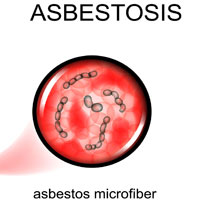 Parents everywhere are heading out to the local stores to purchase economical school supplies for their children. However, what many may not realize is that one quick trip to the dollar store could result in exposing our kids to asbestos.
In August, the U.S. Public Interest Research Group (PIRG) released a report that green Playskool crayons, sold by Dollar Tree and Amazon, contain high levels of asbestos. Although this may sound like shocking news, this was not the first time asbestos was found in school supplies. In July 2015, four other brands of crayons tested positive for asbestos as well.
Although any amount of asbestos in children’s products is unacceptable, PIRG feels that the recent results are encouraging, indicating a decline in the toxicity of children’s products overall.
Asbestos and Mesothelioma
Asbestos is a carcinogenic material that is linked to a rare and particularly debilitating form of cancer, called mesothelioma. Mesothelioma develops after asbestos fibers are ingested or inhaled. Once the fibers enter the body, they can become lodged in the lining of the lungs, abdomen, or heart. Over time, this causes irritation and scaring, leading to fast growing, cancerous tumors.
Symptoms of mesothelioma are not immediately evident and can take 10 to 50 years to develop. Although there is currently no cure for mesothelioma, once diagnosed, there are resources available to help patients maintain a higher quality of life.
Mesothelioma Fears from Asbestos Crayons
Although it has been argued that due to the solid state of crayons, children who have used asbestos crayons are not at risk for exposure. However, there are still undeniable risks. For example:
- Crayon sharpeners create particles and dust in the air
- Small children may be inclined to ingest crayons
- Children may be more vulnerable to asbestos exposure
Parents who believe their child was exposed to asbestos and those that have received a mesothelioma diagnosis should contact a Wilmington mesothelioma lawyer as soon as possible. Experienced toxicity attorneys can help clients allocate compensation for proper medical care, and locate the resources needed for long-term care.
How to Identify Safe School Supplies
As PIRG continues to identify unsafe products for children, they urge parents to look for the following labels showing a qualified toxicologist has tested the product for toxic hazards:
- AP-Approved Product
- CL-Cautionary Labeling
- CPC- Children’s Product Certificate
Parents can look for these labels on lunchboxes, water bottles, and art supplies, and should remain cautious about purchasing supplies containing no labeling at all.
Wilmington Mesothelioma Lawyers at Jacobs & Crumplar, P.A. Assist Clients Exposed to Asbestos
If you would like more information regarding the risks of asbestos exposure to your children or you believe your child has been exposed to asbestos, contact a knowledgeable Wilmington mesothelioma lawyer at Jacobs & Crumplar, P.A. We are ready to hear the details of your case and guide you toward your next steps. To find out what type of compensation you may be entitled to, call us at 302-656-5445 or contact us online. Our offices are in Georgetown and Wilmington, Delaware, and our attorneys practice nationwide.
Teens and Distracted Driving Accidents
 Distracted driving accidents are the cause of approximately nine fatalities and more than 1,000 injuries daily, according to the Centers for Disease Control and Prevention (CDC).
Drivers face three types of distractions on the road: visual, manual and cognitive. Visual distractions are anything that causes a driver to take their eyes off the road; manual distractions cause a driver to take their hands off the wheel; cognitive distractions are anything that takes a driver’s mind off driving.
Texting and Driving
Texting while driving is particularly dangerous, because it is a visual, manual, and cognitive distraction. According to the National Highway Traffic Safety Administration (NHTSA), 481,000 drivers use cell phones while driving during daylight hours.
When drivers read or send a text, they look away from the road for about five seconds, which is long enough to drive the length of a football field if the driver is going 55 miles per hour.
Studies Reveal Teens are at Risk
The NHTSA reports that 3,450 people were killed in distracted driving accidents in 2016 alone. Teens represent the largest age group in fatal distracting driving accidents. In 2015, a CDC national Youth Risk Behavior Surveillance System (YRBSS) report found that 42 percent of high school students who drove in the last 30 days had sent an email or a text while driving.
A study by the Virginia Tech Transportation Institute found that for drivers who text while driving, crash risk is increased 23 percent, as compared to drivers who are not distracted. Of the drivers aged 18 to 20 who survived a car accident and participated in the study, 11 percent admitted to reading or typing a text at the time of the accident.
Many states have laws banning texting for drivers 21 and younger. However, another study published in the Journal of Adolescent Health reports that approximately 2 out of 5 teenagers, aged 14 to 19, texted while driving at least once in the month prior to the survey.
The highest prevalence of teen texting and driving was 64 percent in South Dakota, and the lowest was 26 percent in Maryland.
Teen Driving and Texting
In five states, over 50 percent of teens aged 15 or younger with a learner’s permit reported texting and driving. The study’s lead author says he is not surprised by this, because graduated driver’s licensing laws typically allow teens to start driving at age 15. The study also found that teens who have a habit of wearing their seatbelts were 21 percent less likely to drive and text than those who do not.
Risky driving behavior, such as not wearing a seatbelt and texting while driving, occur less frequently when there is an adult in the car, according to the senior epidemiologist at CDC’s Division of Unintentional Injury Prevention.
It is therefore important for parents to set a good example for teens, by not using the phone while driving, or while accompanying the teen as a passenger.
Dover Car Accident Lawyers at Jacobs & Crumplar, P.A. Help Those Injured in Distracted Driving Accidents Get Compensation
If you were injured in a car accident due to someone else’s negligence, contact a Dover car accident lawyer at Jacobs & Crumplar, P.A. We represent clients throughout Delaware from our offices in Wilmington and Georgetown. Contact us online or call us at 302-656-5445 to schedule a free consultation.
Asbestos Potentially Back in Manufacturing
 The Environmental Protection Agency (EPA) authorized a “significant new use rule” (SNUR), allowing for the potential reintroduction of asbestos into manufacturing.
Under the rule, asbestos may be used to create new products such as adhesives, sealants, and pipeline wrap, which will be evaluated by the EPA on a case by case basis.
The History of Asbestos
Asbestos was once widely used in the construction industry and in a variety of products, including paint, tiles and insulation. It was also used in consumer products such as small appliances, baby powder, and potting soil.
For years, despite having evidence of the health risks associated with asbestos exposure, companies and manufacturers continued to market asbestos to the public.
It is now widely known that asbestos exposure causes terminal diseases like lung cancer and mesothelioma. There are nearly 40,000 asbestos-related deaths per year, according to the Asbestos Disease Awareness Organization (ADAO).
The United States has not banned the use of asbestos altogether, as other countries have done, but rather has placed strict regulations upon its use. Now, it will be largely up to local and state governments, as well as manufacturing companies and consumers, to regulate use of the harmful toxin.
Implications of the New Rule
Asbestos-related disease advocacy groups are strongly opposed to the new rule, pointing out that asbestos is a known carcinogen. Direct and even second-hand exposure to asbestos puts workers at risk of developing mesothelioma.
Those with mesothelioma may not show symptoms of the disease for decades, sometimes up to 50 years after exposure. There is currently no known cure for mesothelioma, and once diagnosed, life expectancy is usually short.
The executive director of the Mesothelioma Applied Research Foundation calls for an absolute ban on asbestos, citing a 2017 Centers for Disease Control and Prevention (CDC) report that shows a rise in mesothelioma-related deaths, despite Occupational Safety and Health Administration (OSHA) and EPA efforts to limit asbestos exposure.
EPA’s Response to Backlash
Under the 2016 amendment to the 1976 Toxic Substances Control Act, the EPA is required to continually reevaluate potentially harmful chemicals. The SNUR was implemented after the EPA finished its review of the first ten chemicals. According to the EPA, the risk evaluations for those chemicals will be published in December 2019, after further investigation.
The media recently uncovered a photo of President Trump’s face on a seal used to stamp asbestos shipping pallets by the world’s largest supplier of asbestos, a Russian mining company. Trump has also voiced skepticism about the dangers of asbestos. It therefore remains to be seen what types of, and how many, asbestos-containing products will be allowed by the administration.
The EPA stated that press reports regarding the issue are inaccurate, and that the new rule will allow the agency to have more control over the use of asbestos, because companies must first seek EPA approval before implementing any new uses.
Contact a Dover Asbestos Lawyer at Jacobs & Crumplar, P.A. if You Were Exposed to Asbestos
If you were exposed to asbestos at work, or you developed an asbestos-related disease, contact a skilled Dover asbestos lawyer at Jacobs & Crumplar, P.A. For a free and confidential consultation, contact us online or call us at 302-656-5445. From our offices in Wilmington and Georgetown, our experienced lawyers will fight to get you the justice and compensation you deserve. We represent clients throughout Delaware, Pennsylvania, New Jersey, Maryland and the District of Columbia.
Silica Exposure Risks at Work
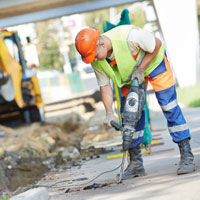 Across the country, millions of United States workers have been exposed to a substance called crystalline silica. Found in the Earth’s crust, this mineral is used in the manufacture of a variety of materials, including bricks, glass, and stone.
Construction workers, machine operators, steel workers, and other types of laborers who inhale the tiny particles of this substance are at risk of developing serious and potentially fatal respiratory diseases.
What is Silica?
Respirable crystalline silica, or silica dust, is microscopic – almost 100 times smaller than grains of sand. Concrete, granite, stone, and other materials contain this mineral.
When these materials are broken up by sanding, blasting, drilling, grinding, or manufacturing, workers become exposed to this fine dust.
What are the Risks of Silica Exposure?
Workers who inhale these tiny silica crystals are at a greater risk of developing:
- Chronic obstructive pulmonary disease (COPD)
- Kidney disease
- Lung cancer
- Silicosis
Silicosis is an incurable lung disease caused by breathing in dust containing crystalline silica particles. The dust forms scar tissue that limits lung function and makes it difficult to extract oxygen from the air.
Acute silicosis can develop after brief exposure to crystalline silica particles, and the early stages of this disease often go unnoticed for years.
How Can Employers and Workers Control Exposure to Silica Dust?
The Occupational Safety and Health Administration (OSHA) established a Permissible Exposure Limit (PEL), in order to regulate the maximum amount of silica dust that employees can be exposed to in a single work shift. In addition to the PEL, OSHA is launching an education and training initiative to help employers reduce worker exposure to the potentially dangerous substance.
Silica exposure prevention often involves:
- Changing of clothes and showering before leaving the worksite
- Eating and drinking away from any space that may contain silica dust
- Ongoing air quality monitoring
- Proper ventilation
- Use of respirators among workers
- Replacement of silica with an alternative substance
What is an Environmental Toxic Tort?
An environmental toxic tort is a type of personal injury claim involving a plaintiff who has been harmed by exposure to any toxic chemical or material, including asbestos, benzene, mold, pesticides, and silica. This exposure can take place at home, through the use of various consumer products, in the environment, or at work.
Toxic tort cases are generally brought against anyone who may have a legal duty to protect the plaintiff, like an employer, landlord, or product manufacturer. In this type of case, the plaintiff must show they were exposed to the dangerous substance and harmed as a result.
Toxic tort cases can be challenging, because symptoms may not appear until years after the initial exposure. They require skilled legal counsel from a Dover chemical and toxic exposure lawyer experienced in this type of litigation.
Dover Toxic Tort Lawyers at Jacobs & Crumplar, P.A. Fight for Victims of Silica Exposure
If you have developed a silica related-disease, Dover chemical and toxic exposure injury lawyers at Jacobs & Crumplar, P.A. can help determine who may be liable for your exposure. To discuss your case, call 302-656-5445 or complete the online contact form to get started. Our offices are in Wilmington and Georgetown to serve residents throughout the state of Delaware.