



Too Fast Vs. Too Slow Drivers
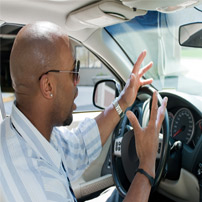 The Delaware legislature has recently debated the issue of what type of driver is more dangerous: The debate centered around whether the more dangerous driver is one that drives too fast or one that drives too slow, specifically in the left lane.
Although currently the legislature has not yet begun to study the issue, a resolution was introduced in the state Senate. The resolution was to study whether slower traffic in the left lane causes more accidents than drivers who are speeding on the same highway. That particular resolution, while it passed the state Senate unanimously, because it was introduced on the last day of the legislative session did not make it to the House. It will likely resurface when the legislature reconvenes.
Studying the Issue
If the measure passes, the Delaware Department of Transportation and Delaware State Police will be required to examine the issue more in-depth. While how they will study the issue is not yet known, it will be interesting to learn whether the majority of car accidents on Delaware highways are caused by speeding or driving too slowly.
How the police will categorize the accidents may prove difficult, especially if the accident involved a speeding driver and a driver who was meandering along in the left lane.
This is an interesting time to be studying this issue, especially since the number of driving deaths in the state of Delaware have been decreasing since 2015. In 2017 there were 110 traffic deaths in the state, compared to 120 in 2016 and 133 in 2015.
Additionally, out of 26,453 traffic crashes in 2016, speeding was a contributing factor in only 239 of them. Only nine of those crashes were fatal.
Further, out of the 120 fatalities that occurred in 2016, seven of them were attributed to driver inattention, distraction, or fatigue; whereas reckless driving or aggressive driving was a factor in five of out of the 120.
Therefore, there are about one hundred accidents where the causes were not distraction, recklessness, or speeding. This could suggest that better records need to be kept at the state level to determine why there were over 100 fatalities in 2016 not related to any of these prominent issues. It could, in fact, be that some of the accidents were related to too-slow driving.
Drivers Weigh-In
After the legislature discussed this issue, some drivers weighed in and said that they do not move over from the left lane for faster drivers, since there is no current law requiring it. Some drivers felt that the real danger is speeding drivers who may make unsafe lane changes at high speeds.
A state police spokesperson said that speeding is a major concern along the state’s busiest highway, which is Delaware 1. Further, this is especially problematic during beach season.
Delaware Car Accident Lawyers at Jacobs & Crumplar, P.A. Help if You Have Been in a Car Accident
Whether your car accident was due to speeding, a slow driver, or distracted driving, the Delaware car accident lawyers at Jacobs & Crumplar, P.A. can assist with your case. Contact us online or call us at 302-656-5445 to schedule a free consultation today. We have offices conveniently located in Wilmington and Georgetown, and our attorneys serve clients throughout Delaware, New Jersey, and Pennsylvania.
Toxic Mold in State Office
 Employees of the Delaware Department of Health and Social Services noticed small amounts of mold growing on bookcases, surfaces, and chairs at a state office in the Blue Hen Corporate Center in Dover. Although the building lease was not planned to expire until December 2025, the state department decided that terminating the lease in July 2018 would be the best course of action.
Although the levels of mold found in the state office were not suspected to be a threat to the employees or public, symptoms of mold exposure are hard to detect and may mimic other allergies. Mold grows in warm, damp, and humid environments and can survive in dry climates, too. As summer temperatures climb, concerns about mold growth in homes, schools, and offices are on the rise. Mold can be found almost anywhere, so it is important to know when there is a cause for concern.
Debunking Toxic Mold
Toxic mold is most often used by the media to describe mold that may cause health issues. Toxic mold has become associated with fatal and debilitating diseases, such as lung hemorrhaging, cancer, brain damage, and other serious cognitive and physical problems. However, there is no conclusive evidence to support the notion that toxic mold causes these illnesses.
In fact, there is no such thing as toxic mold, but there are toxigenic molds. These molds have molecular toxins, which if ingested in large quantities over time, can cause health issues. In fact, most serious health problems related to mold exposure arise only when there is a build-up of high concentrations of mold.
Toxigenic Molds
One of the most well-known types of toxic mold is Aspergillis. Aspergillis can be found in the same areas where other types of mold grows, such as:
- Basements
- Bathrooms
- Window sills
- Wallpaper
- Wood
Keep in mind that although Aspergillis is common in low levels, it is not considered hazardous unless found in high concentrations. Though some people become ill from high concentrations of toxigenic mold, many of the health problems thought to be potentially mold-related may be caused by more common types of mold.
Aspergillosis
Aspergillosis is a term used to describe a set of symptoms or diseases that Aspergillis can cause. Invasive aspergillosis is a disease caused by mold that damages lung tissue and can spread throughout the body. Although healthy people can contract invasive aspergillosis and other forms of the disease, it is most commonly found in people with pre-existing health problems.
Mold Allergies
All mold, whether toxic or not can cause a variety of symptoms, but just like most allergies, sensitivity to mold varies from person to person. Symptoms of mold allergies can be like other allergies and include:
- Nasal stuffiness
- Irritated eyes
- Coughing
- Wheezing
However, those with more severe reactions may experience flu-like symptoms, fever, and shortness of breath.
Dover Toxic Mold Lawyers at Jacobs & Crumplar, P.A. Provide Expert Legal Assistance for Those Exposed to Environmental Toxins
If you are suffering from exposure to mold or another toxin in your home or work environment, a Dover toxic mold lawyer at the law firm of Jacobs & Crumplar, P.A. can evaluate the details of your case to determine the compensation legally owed to you. Contact us today by calling 302-656-5445 or contact us online to schedule a free consultation. We represent clients throughout Delaware from our Wilmington and Georgetown offices.
Delaware Road Deaths Outpacing 2017
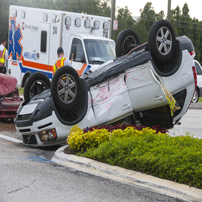 Delaware Office of Highway Safety statistics show the number of Delaware roadway fatalities in 2018 is outpacing last year’s numbers – much to the concern of Delaware officials. At a similar point last year, accident fatalities in Delaware totaled 47. So far this year, at least 61 people have lost their lives in auto accidents. Only 2016 saw a higher number of highway fatalities for this time period at 67. Each year, more than 100 people are fatally injured in wrecks on Delaware roads. Should this trend continue, the number of Delaware accident fatalities will likely exceed last year’s total of 118.
Researchers suggest several possible causes for the rise in the number of fatal accidents. Increased traffic volumes and the prevalence of distracted driving behaviors may be contributing factors. Distracted driving behaviors can include talking or texting on cell phones, interacting with a car’s infotainment systems such as the radio or navigation systems and engaging in personal grooming tasks such as brushing hair or applying makeup.
Fatal Accidents Spike in Summer
Summer is an especially dangerous time in Delaware as out-of-state drivers fill the roadways. Delaware beaches remain a popular vacation spot for many vacationers. Several of the fatal accidents involved out-of-state residents. In early July, a New Jersey family’s Ocean City, Maryland vacation ended in tragedy as a father and his four daughters were fatally injured in a head-on collision. In a separate hit and run incident, a Pennsylvania man also was killed on a Delaware roadway last month.
Weekends are an especially dangerous time on Delaware roadways. Almost half of the deadly crashes that occurred in Delaware last month took place in the time period between Friday afternoon and Monday morning.
This year’s fatal motor vehicle accidents include the following circumstances:
- Motorist being struck by a passing vehicle on Interstate 494 after exiting his car to make a phone call
- Hit and run of a bicyclist riding on shoulder of South DuPont Highway
- Speeding motorist failing to negotiate a curve on Ralph Road
- Motorcycle crash in Laurel
- Motor vehicle collision on Millsboro Highway and Nine Foot Road
- Flaming single car wreck on Concord Pike north of Wilmington
- Heavy duty pickup truck crossing center median on Delaware Route 1 colliding with minivan
- Collision between a burglary suspect and state police trooper in Milton
Delaware drivers are most often cited as being at fault in these fatal accidents. Office of Highway Safety statistics show for the time period 2011-2017, Delaware drivers were found at fault in 84 percent of fatal motor vehicle accidents. While that number decreases slightly in the summer months to between 71-79 percent, the majority of drivers involved in the fatal crashes are Delaware residents.
The Delaware Department of Transportation continues to evaluate all factors involved in these highway deaths in its continuing effort to make Delaware roadways safer. In the case of the tragic five-fatality minivan crash, the collision occurred on a section of Delaware Route 1 that lacked guardrails. In response, the Department of Transportation has announced a plan to install barriers at the site. Police pursuit polices also are being scrutinized as result of the bicycle accident that claimed a life in Milton.
Delaware Car Accident Lawyers at Jacobs & Crumplar, P.A. Handle Fatal Car Accident Claims
If you have been seriously injured or suffered the wrongful death of a loved one in a car accident, the experienced Delaware car accident lawyers at Jacobs & Crumplar, P.A. are here to assist you in obtaining the maximum compensation possible. With offices conveniently located in Wilmington and Georgetown, Delaware, we proudly serve clients throughout the state. To schedule your free confidential consultation with a Delaware car accident lawyer, call us today at 302-656-5445 or contact us online.
What is Comparative Negligence?
 If you are seeking compensation in a personal injury case in Delaware, then it is important to understand the state laws regarding liability for an injury. Delaware Code Title 10 section 8132 is the statute that defines how liability is assigned in a personal injury case. Delaware follows what is known as “modified comparative negligence.” This means that even if you share some of the blame for what happened, you may still be able to recover compensation for your injuries, albeit a slightly lesser amount, depending on how much liability may be assigned to you.
How Comparative Negligence Works
In a personal injury case, damages will be awarded to the plaintiff if the defendant can be proven negligent in a way that harmed the plaintiff. If the plaintiff was also partly at fault, as long as their share of liability for what happened does not exceed 50 percent, they can still receive damages. The amount of the award will be reduced by the percentage of fault assigned to the plaintiff.
An example of how comparative negligence works is as follows:
Suppose you slip and fall outside a store and suffer head and neck injuries. In your suit against the owner of the property, the jury finds the owner liable for your injuries, but also finds circumstances that make you 20 percent responsible as well. The jury awards you a total sum of $20,000 to cover the cost of your medical treatment, lost wages, and pain and suffering. The actual amount will be $16,000, or $20,000 minus 20 percent – your percentage of liability.
While not all personal injury cases make it to court, it is still important to understand the concept of comparative negligence. This is because when it comes to settling out of court, the defendant’s insurance company and their lawyers will almost certainly try to assign some of the blame to you in an effort to reduce the sum they have to pay.
Filing a Personal Injury Lawsuit
Delaware law gives you two years from the date of the accident to file a lawsuit in civil court seeking damages for your injuries. If you miss this deadline, it is highly unlikely the court will hear your case. The defendant will certainly file a motion asking the court to dismiss the case, and there are only very rare exceptions to the two-year statute of limitations.
It is advisable to seek experienced legal counsel when considering a personal injury lawsuit so that you do not miss important deadlines. The defendant will likely attempt to use comparative negligence to deny total responsibility for your injuries. A knowledgeable attorney will work to preserve your maximum award and minimize such deflection.
Wilmington Slip and Fall Lawyers at Jacobs & Crumplar, P.A. Have a Proven Record of Success in Personal Injury Cases
A slip and fall can happen to anyone at any time of year, leaving behind lasting injuries. Contact the dedicated Wilmington slip and fall lawyers at Jacobs & Crumplar, P.A. for assistance with your personal injury case. Our knowledge and experience can make the difference in recovering maximum compensation for your injuries. Call us today at 302-656-5445 or contact us online. We have convenient locations in Wilmington and Georgetown to serve clients throughout Delaware.
Immunotherapy and Mesothelioma
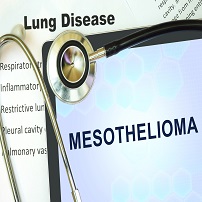 Mesothelioma is a deadly cancer that usually forms in the soft tissue around the lungs and affects thousands of people each year. The United States alone sees 3,000 new cases annually, and 80 percent of these cases can be attributed to asbestos exposure. Although some people have lived for several years once diagnosed with this disease, the life expectancy is usually 6-18 months.
There have been no new FDA approved treatments for this disease since 2004. Chemotherapy, the traditional treatment, is not as effective as desired.
However, an oncologist at Regions Hospital Cancer Care Center in St. Paul, Minnesota, is evaluating the effects of combining two different FDA approved drugs to treat this disease. The drugs are nivalumab (Opdivo) and ramucirumab (Cyramza). Both drugs are prescription medicines used to treat the advanced stages of various cancers.
If the combination is successful, it could mean that mesothelioma patients will no longer have to undergo chemotherapy, increasing the chances for a better-quality life.
Immunotherapy Trial to Expand
Although the immunotherapy trial is currently at Regions Hospital, three other sites are expected to open soon. The trial will run until 2021 and enlist 35 participants who have not responded to the traditional chemotherapy treatment. Patients will receive immunotherapy intravenously every two weeks. The medications will be administered separately, but in back-to-back doses.
Benefits of Immunotherapy
For treating mesothelioma, chemotherapy is, in some sense, considered the last but only resort. If a patient does not respond to chemotherapy, there are no other known treatments thought to be effective. If a patient does respond to the chemotherapy, the chemo usually stops its attack on the cancer at some point.
Unlike chemotherapy, immunotherapy does not kill cancer cells. Instead, it activates the immune system to attack the cancer, avoiding the destruction of healthy cells and tissue, which is the drawback to chemotherapy.
The benefits of this are twofold. Once the immune system is activated, it is expected to remain active in its attack on the cancer. Secondly, using the immune system to fight mesothelioma is a natural process which keeps healthy cells and tissue intact.
Side-Effects of Immunotherapy
The side effects of immunotherapy are reportedly mild and manageable. Most are a result of an over-active immune system. The most common side-effect is an itchy skin rash, but some patients may experience:
- Digestive issues
- Mild cough
- Fevers
- Arthritis symptoms
However, patients are discouraged from “putting up” with side-effects. Instead, they should stay in touch with their doctors throughout treatment. Side-effects can be managed by immune system depressant drugs and other strategies.
Dover Mesothelioma Lawyers at Jacobs & Crumpler, P.A. Protect the Rights of Those Exposed to Asbestos
If you would like more information about the immunotherapy trial for mesothelioma or filing a claim for an asbestos related illness, contact an experienced Dover mesothelioma lawyer at Jacobs & Crumplar, P.A. to discuss what compensation you may be entitled to for your injuries. We work with clients throughout Delaware from our offices in Wilmington and Georgetown. Contact us online or call us at 302-656-5445 to schedule a free consultation.
Dangerous Understaffing in Prisons
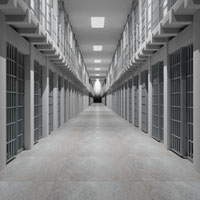 The fatal prison uprising that occurred in February 2017 at the James T. Vaughn Correctional Center in Smyrna, Delaware demonstrates the understaffing issues affecting prisons nationwide. During the incident, prison inmates held six correctional officers and a counselor hostage in an 18-hour standoff, which resulted in the tragic death of one of the officers. After the uprising, about 200 correctional officers and medical staff members resigned or retired from the correctional facility. Attorneys at Jacobs & Crumplar, P.A. represented the family of the slain correctional officer in their wrongful death suit against several state officials. Ultimately, the state agreed to pay the Plaintiffs a record-setting settlement that topped $7.5 million.
At the time of the incident, only four guards were tasked with supervising more than 125 prisoners. The national average as reported by the Department of Justice is one guard per five inmates. Delaware is one of about 15 states in which officials cite understaffing as a major safety concern in their state facilities. Commonly, prisons address the problem by encouraging officers to work overtime instead of hiring more guards. In Delaware facilities, about 40 percent of the staff work overtime on a regular basis. Unfortunately, this may lead to future revolts that could endanger guards and other prison staff as well as inmates who may not be involved.
If you have been injured or suffered the wrongful death of a loved one due to another’s negligence, the Delaware wrongful death lawyers at Jacobs & Crumplar, P.A. have the knowledge and experience to achieve justice. To arrange a free consultation, contact us online or call 302-656-5445. From our offices in Wilmington and Georgetown, we represent individuals and families throughout the state, including those in Dover, Delaware.
Prevent Swimming Pool Electric Shock
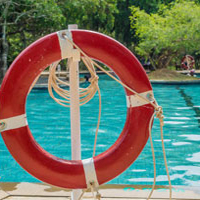 As summer begins, families across the country will retreat to their backyards and community swimming pools to have fun and cool off. Swimmers need to know that drowning is not the only danger when it comes to swimming pools. When a body of water becomes charged with electricity, swimmers are at risk of serious injury and even death.
Swimmers can, at the very least, experience electric shock. In more severe cases, electric shock can lead to drowning, and thus be fatal.
Learn to recognize the signs that the water has been electrically charged, and how to prevent electrocution in the lake or swimming pool.
How water becomes energized
The risk of electric charged water exists wherever an electrical device is close enough to fall or be pulled into the water. When an electrical component near the water is faulty or damaged, electricity can enter the water, creating an invisible and potentially fatal electric current.
When the human body comes in contact with energized water, they can suffer symptoms ranging from tingling to paralysis and cardiac arrest. The risk to swimmers really depends upon the level of the current in the water.
Signs that water may be electrified
The physical signs a swimmer may experience, telling them that water may be electrically charged, include:
- Muscle cramps
- Tingling sensation
- Skeletal muscular paralysis
When electric shock causes the inability to move, swimmers are unable to help themselves and are at risk of drowning. The American Red Cross recommends keeping a fiberglass rescue hook near your swimming pool to rescue swimmers. In many cases, swimmers may not immediately feel an electric current when they enter the water. Electricity can often be intermittent, occurring as an electrical device cycles on and off.
Preventing swimming pool electrocution
There are several ways to prevent swimming pool electric shock and electrocution. The first step is to have a certified electrician install, maintain, and repair any electric components in and around your swimming pool.
Once installed, inspect all electric devices, including pool lights and pumps, on a routine basis for wear and tear, frayed wires, or any signs of damage that may cause electricity to come in contact with water.
Your certified electrician will install Ground-fault Circuit Interrupters (GFCI), special safety devices installed directly on your outlets that shut off electricity anytime a change in current is detected in water.
If you do see damage to electric devices, assume there may be an electrical current in the water, and stay out of the pool until you call an electrician.
Wilmington Personal Injury Lawyers of Jacobs & Crumplar, P.A. Fight for Victims Injured in Swimming Pool Accidents
Summer is a time for fun, relaxation, and outdoor adventures. The risk of injuries caused by a swimming pool accident, slip and fall, or motor vehicle crash is an unfortunate reality. If you or a family member has been injured in a preventable accident caused by a negligent property owner or defective product, the Wilmington personal injury lawyers of Jacobs & Crumplar, P.A. are here to help.
Contact us online or call 302-656-5445 to schedule a free consultation today. Our offices are located in Wilmington and Georgetown, and our attorneys serve clients throughout Delaware, New Jersey, and Pennsylvania.
Grill Safety Tips
 Summer is upon us, and families across the country are eager to start cooking outdoors. Many summer memories are made grilling burgers, dogs, veggies and roasting s’mores on the grill and fire pit.
But when not properly used or maintained, home grills can lead to serious injuries. According to a National Fire Protection Association report, nearly 9,000 home fires every year involve grills. Unattended grills can cause bodily injury and extensive property damage.
Follow these basic grill safety tips for a safe, enjoyable – and delicious summer.
Safety Tips for Gas Grills
Gas grills account for four out of five fires, which are mainly caused by broken or leaking hoses. Here are some simple ways to prevent or handle gas leaks:
- Always store gas grills and propane tanks outdoors and away from buildings and structures.
- At the beginning of each grilling season, thoroughly inspect the gas cylinder hose for leaks. You can check for leaks by applying a solution of soap and water to the hose; escaping gas will produce bubbles.
- Always lift the grill lid before turning on the gas; collecting gas can explode when ignited.
- If you smell gas or suspect a leak while the flame is out, turn off the gas tank and grill immediately. Do not use the grill until it has been professionally serviced. Call the fire department if the leak continues.
- If you smell a gas leak while cooking, back away from the grill immediately and call the fire department. Do not move the grill.
Safety Tips for Charcoal Grills
According to the National Fire Protection Agency, the leading cause of charcoal grill fires is when flammable objects are left too close to the grill ignite. Remember these tips when grilling over charcoal heat:
- Never leave a charcoal grill unattended.
- Before every use, check the grill for wear and tear or rust on metal grills that may allow charcoal to fall through and ignite the surface below.
- Use only starter fluid designed for charcoal grills. Always store starter fluid in a safe place, away from heat sources, children, and pets
- After kindling or coals are ignited, do not add charcoal starter fluid to the fire. Add more kindling or charcoals only to increase the fire.
- After grilling, the coals may remain hot long after the flame has been extinguished. Do not place any flammable items near the grill as it cools.
Finally, whether you use gas or charcoal, it is a good idea to keep a spray bottle full of water nearby to extinguish minor flare-ups, and a fire extinguisher close at hand in case of something more major.
Take extra precautions every time you cook with fire. Grill fire accidents and injuries are largely preventable. If you are injured in a grill fire or any other summer accident due to another’s negligence, the Delaware product liability lawyers at Jacobs & Crumplar, P.A. can help determine if you may be eligible for damages.
Wilmington Product Liability Lawyers at Jacobs & Crumplar, P.A. Help Victims with Catastrophic Injuries
The Wilmington product liability lawyers at Jacobs & Crumplar, P.A. advocate for victims injured in preventable accidents. We fight for damages victims need to cover ongoing medical expenses and supplement the income lost when they stopped working. We are conveniently located in Wilmington and Georgetown, Delaware to serve clients throughout Delaware. Contact us online or call us at 302-656-5445 to schedule a free consultation.
High Winds and Truck Accidents
 Late November 2017, fourteen tractor trailers were seen lying on their sides in Colorado and Wyoming along a major interstate highway, close to the state line. The Denver Post reported that it was all caused by high winds. Then, on March second of this year, the local ABC affiliate reported that two trucks were overturned on the Mario Cuomo/Tappan Zee Bridge in New York. The cause was again due to extremely high winds.
Driving in bad weather can be dangerous, especially for a large vehicle like a tractor trailer. Snow, ice and rain can make roads slippery and treacherous, but high winds can actually knock one over. Tractor trailers are much larger and taller than other vehicles, and therefore “catch” the wind, which causes them to shift and move. When strong winds hit up against the sides of large trucks, they can rock, sway, and tip over. This can be deadly for the occupants of any vehicles riding alongside.
Licensed truck drivers should be familiar with driving in all kinds of weather, including high winds. As wind speeds increase, pressure grows around, under, and over the truck. The faster the truck is going, the stronger its effects. This is why slowing down significantly or stopping can prevent tipping over. The Federal Motor Carrier Safety Regulations (FMCSR) read: “If conditions become sufficiently dangerous, the operation of the commercial motor vehicle shall be discontinued and shall not be resumed until the commercial motor vehicle can be safely operated.”
Safe Driving in Unsafe Conditions
An empty trailer can be even more hazardous, since it does not have as much weight. Unsecured cargo can be blown off a flatbed by winds if not properly secured or thrown around an enclosed trailer shifting around in the wind. These truck accidents are nearly all preventable.
There are many steps that truck drivers and trucking companies can take to promote safe driving in high winds. Listening to weather reports before departing and while on route can alert drivers to incoming threats of bad weather. Also, watching for road signs directing drivers to slow down during high winds, as well as flags, windsocks, and even grass and tree movement are all helpful.
Drivers who share the road should also be aware of the weather and look for markers that indicate high winds. Most importantly, keeping an extra distance away from tractor trailers and not passing in bad weather can save lives.
The Liability Question
In high wind related truck accidents, the truck driver may be at fault if they were negligent by driving too fast or erratically. Distracted driving can also lead them to lose control of their vehicle. The driver must always use good judgment behind the wheel.
Mechanical issues can also cause trucks to topple over in strong winds. If the truck did not pass inspection, is in poor repair, or has not been properly maintained, the likelihood of an accident increases greatly. In these cases, the truck company could be at fault.
High winds are a contributing factor to these accidents, but they are not usually the only reason. Driver error or truck conditions may also be contributing factors. To determine liability, all of the variables must be considered. These include overall road conditions, weather, and any other drivers involved.
Wilmington Truck Accident Lawyers at Jacobs & Crumplar, P.A. Represent Victims of Bad Weather Trucking Accidents
If you have been involved in a high wind trucking accident, you need expert help. Contact a professional Wilmington truck accident lawyer at Jacobs & Crumplar, P.A. today. We are conveniently located in Wilmington and Georgetown, Delaware to serve clients throughout Delaware. Contact us online or call us at 302-656-5445 to schedule a free consultation.
AAA Study on Distracted Driving
 A new American Automobile Association Foundation (AAA) survey shows that while most drivers are aware of the dangers associated with distracted driving, it does not stop them from engaging in risky driving behaviors themselves. The Traffic Safety Culture study involved 2,613 drivers age 16 and older who reported driving in the last 30 days. It was designed to reveal drivers’ attitudes and behaviors related to traffic safety. The AAA Public and Government Affairs Manager says the results are extremely troubling.
While 88 percent of drivers believe distracted driving is on the rise, the number of drivers who reported using a cellphone while driving is up 46 percent since 2013. Although 58 percent believe talking on a cellphone is a very serious threat to personal safety, and 78 percent believe texting is a significant danger, 49 percent reported talking on a hand-held phone while driving and 35 percent reported sending a text or email while driving.
Fatalities in Delaware and Nationwide
According to the Delaware State Police, there were 6,095 car accidents in 2016 that involved a distracted driver, seven of which were fatal. These crashes accounted for 23 percent of all reportable traffic crashes and 6 percent of all fatal crashes, respectively.
The number of motor vehicle fatalities remains high nationwide. The 2017 National Safety Council (NSC) preliminary estimates show that there were more than 40,000 motor vehicle deaths for the second year in a row. This is 6 percent higher than the number of deaths in 2015, and costs associated with these accidents amount to a whopping $413.8 billion.
Distracted Driving Awareness
April was Distracted Driving Awareness Month, an annual event during which the NSC, along with other organizations and individuals, attempt to raise awareness regarding the increasing epidemic of distracted driving.
To decrease preventable deaths and ensure safer roadways, the NSC recommends that drivers:
- Wear seatbelts
- Do not drive while fatigued
- Drive sober
- Avoid distractions
Distracted Driving Statistics
The National Highway Traffic Safety Administration (NHTSA) reports that 3,477 people were fatally injured in distracted driving accidents in 2015 alone. However, this may be a conservative estimate, according to the AAA. Because distracted driving is difficult to detect after a crash (compared to drunk driving or driving while under the influence of drugs, for example), it is one of the most under-reported traffic safety issues. According to a past AAA study involving dashboard camera videos, distraction was a factor in 58 percent of crashes, not 14 percent as federal estimates suggest.
The AAA Foundation reports that drivers who talk on a cellphone are up to four times more likely to crash; and those who text are up to eight times more likely to crash. With cellphones, dashboard infotainment systems, voice command features, and other emerging technologies, the number of distractions for drivers is increasing.
Georgetown Car Accident Lawyers at Jacobs & Crumplar, P.A. Represent Those Injured in Distracted Driving Accidents
If you were injured in a car accident caused by someone else’s negligence, you may be entitled to compensation for your injuries. The experienced Georgetown car accident lawyers at Jacobs & Crumplar, P.A. represent clients throughout Delaware from our offices in Wilmington and Georgetown. Contact us online or call us at 302-656-5445 to schedule a free consultation.