



Challenges of Doctor-Patient Sex Assault Cases
 When you see a physician for a medical appointment, you expect to receive the highest standard of care, and you also expect that you will be treated ethically. After all, entrusting your health to another human being involves an enormous level of trust. But when that trust is broken, it can be devastating and terribly damaging. Even a consensual sexual encounter in a doctor’s office can be considered a breach of trust.
By now most people have heard about the case of Dr. Larry Nassar, who was recently sentenced to 60 years for a conviction of child pornography; and 40 to 175 years for sexual abuse charges. So far, 265 victims have come forward. Nassar operated under a cloak of secrecy for years. He used his privileged position to intimidate young girls, who were either too afraid to speak up, or did not trust their own judgment when they sensed the doctor’s actions were not appropriate.
While the above case made front-page news because it involved Olympic-caliber athletes, this kind of abuse could happen to anyone. In recent years, a doctor at a renowned Cleveland hospital was accused of raping a patient while she underwent a procedure. The hospital kept the doctor on staff while they reached a confidential settlement. The following year, the doctor attacked another woman, changing her life forever. Tragically, that second assault never would have happened if the first incident had been handled properly.
Doctor-Patient Sexual Assault Claims are Unique
Jacobs & Crumplar recently contributed to an article published by the subscription-based online legal news service, Law360. The article addresses some of what makes doctor-patient sex abuses cases unique – and in many ways – challenging.
Sometimes doctors or hospitals reach confidential settlements out of court, as in the case mentioned above. But settlements of this nature can be problematic when it comes to health care. A confidentiality clause can compromise a patient’s health and safety; and they may be unethical because of the vulnerability of future patients.
When a sexual assault by a medical caregiver occurs, there are certain steps that must be taken for victims seeking justice. They include:
- Meet the Statute of Limitations – There is a limited time frame in which to file a claim against a doctor who is accused of sexual assault. This varies by state. Many victims do not want to face the terrible experience they have been through and thus put off talking about it. But immediate action is essential to holding that person accountable.
- Gather Evidence – This may be done initially with a rape kit, and/or through a physical examination immediately following an assault. This is also a time to give an account of what happened while the facts are still fresh in the victim’s mind.
- File the Appropriate Claim – A sexual assault by a physician could fall under the category of personal injury, but it might also fall under medical malpractice. The best route would be determined by a competent attorney, based on the state where the assault occurred.
While these steps are important, it is most important for a victim to seek treatment right away. There may be physical healing and treatment necessary, and there will most certainly be emotional healing that needs to be done.
Delaware Sexual Abuse Lawyers at Jacobs & Crumplar, P.A. Provide Powerful Advocacy for Abuse Victims
If you have been the victim of a sexual assault, we understand the fears and emotions you are dealing with, and we can offer personal, compassionate assistance for your case. If you are seeking an advocate who will stand up for your rights, please call a Delaware sexual abuse lawyer at Jacobs & Crumplar, P.A. today at 302-656-5445 to schedule a confidential consultation or contact us online. From our offices in Wilmington and Georgetown, Delaware, we represent clients throughout the state, including those in Dover, Delaware.
Safety Tips for Teen Drivers
 Most teens count down the days until they finally earn their driver’s license. Their parents are not always quite as enthusiastic however. The thought of their nervous and inexperienced teen on the road keeps plenty of parents up at night. Unfortunately, some of that worry may be warranted. New teen drivers are three times more likely to be involved in a serious or fatal car wreck than adults. The following are a few important safe driving tips you and your teen can adopt to make every trip a safe one.
Avoid Distractions
According to the National Highway Traffic Safety Administration (NHTSA), distracted driving car accidents claimed 3,450 lives last year. Most of the distracted drivers were teens. Surprisingly, cell phones are not the only culprit distracting young drivers, as passengers can be equally if not more distracting.
Fifteen percent of distracted driving accidents happened because the driver took their eyes off the road to interact with others in the car. Twelve percent of crashes involved the use of smart phones. Taking your eyes of the road or your hands off the wheel for even a few seconds is like driving blind-folded.
Buckle Up
The National Highway Traffic Safety Administration reports that of all teens aged (13-20) who died in car accidents in the year 2012, only 58 percent were restrained. Wearing a seatbelt not only saves your life but also saves the lives of your passengers. In an accident, an unrestrained body is a danger to others. Research shows the biggest indicator of teen seatbelt use is their parents’ seatbelt habits. Parents who model consistent seatbelt use during every car ride are more likely to have kids who do the same.
Slow Down
In 2015, speed was a factor in nearly one-third of fatal accidents involving teens. According to some studies, the tendency to speed increases the more teens drive. Teen drivers should understand how increased speed limits their reaction time and increases the risk of collision. Also important to stress – speed should be reduced in bad weather and around poor road conditions. There are also stiff legal and financial consequences for speeding.
For those times when parents are not around to supervise their teens, several smartphone apps help to encourage safe driving habits. Some apps block all emails and texts while teens are behind the wheel. Others record teen driver habits and reward good behavior. However, parents and other trusted adults are the best teachers when it comes to safe driving. Parents who drive alert, sober, and safe are likely to influence teens to do the same.
Car accidents are a leading cause of injury in the United States. Distracted driving, speeding, alcohol, bad weather, and poor road conditions can lead to serious and fatal crashes. Regardless of what caused your auto accident, you can find justice. The experienced personal injury lawyers at Jacobs & Crumplar, P.A. will assess your situation and recommend the best legal course of action to obtain compensation for your injuries.
Dover Car Accident Lawyers Jacobs & Crumplar, P.A. Advocate for Injured Car Accident Victims
To schedule your free consultation with an experienced and compassionate Dover car accident lawyer, complete our online contact form or call 302-656-5445 or 800-355-1818 today. Jacobs & Crumplar, P.A. has office locations in Wilmington and Georgetown to serve residents throughout the state of Delaware.
FDA Targets Homeopathic Drugs for Safety Risks
 At present, homeopathic drugs sold in the United States do not have to be approved by the Food and Drug Administration (FDA) the way conventional drugs do. Recently though, homeopathic drugs are coming under increased scrutiny. The FDA says it will target products with potentially harmful ingredients, and those being marketed for illnesses such as cancer, heart disease, and treatment of alcohol and opioid addictions.
One practice of homeopathy holds that the substances that cause disease symptoms can also cure them when introduced in miniscule amounts. No modern studies have been able to prove this, and in fact have instead shown that the effects of homeopathic treatment can range from no effect at all to actually harming patients. In one such case, 10 children died and 400 were injured from using homeopathic teething tablets and gels containing belladonna, a toxic substance. An analysis by the FDA lab showed some of the products to contain elevated and inconsistent levels of belladonna.
In past years, the FDA has issued warnings about products that contain strychnine, which is used as rodent poison, as well as products with zinc for intranasal use that may damage the user’s sense of smell. Other problematic homeopathic drug products were those advertised for asthma sufferers that did not provide effective asthma treatment.
Promise of Action by the FDA
The FDA will not require that all homeopathic products be approved because the process would be too arduous. The homeopathic industry offers treatments for everything from colds to cancer and generates revenues in the billions of dollars annually. Products not considered high risk will remain available to consumers, but others, such as treatments that must be injected, treatments for serious diseases, and products for children or the elderly, will get a much closer look from the FDA.
In a statement, FDA Commissioner Scott Gottlieb said poor manufacturing quality or unsafe ingredients in homeopathic products could put trusting consumers at risk. Many are spending money for treatments that have either little to no effect on serious ailments and in the worst case, “may cause significant and even irreparable harm.” Other countries are also moving to rein in the use of homeopathy. In Britain, the National Health Service (NHS) announced plans to end prescriptions for homeopathic drugs in July. There, the chief executive of the NHS qualified homeopathy as a misuse of scarce funds for what amounts to a placebo.
The FDA announcement came as the result of public hearings on its enforcement policies for homeopathic products held in April 2015. The hearings generated 9,000 public comments that led the FDA to propose its new “risk-based enforcement approach.”
Wilmington Product Liability Lawyers at Jacobs & Crumplar, P.A. Recover Compensation for Those Harmed by Dangerous Drugs
If you or someone you love has been harmed by a defective drug or other product, contact the dedicated Wilmington product liability lawyers at Jacobs & Crumplar, P.A. for help determining your legal options. From our Wilmington and Georgetown offices, our skilled and experienced attorneys assist injured clients in Dover and throughout Delaware and the tri-state area. Call 302-656-5445 today or contact us online to schedule a free initial consultation.
Women’s Risk of Mesothelioma
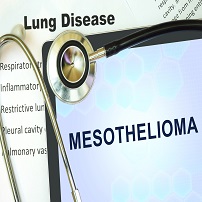 Mesothelioma is a rare type of cancer most commonly diagnosed in older, male military service members and blue-collar workers who were exposed to asbestos. However, the disease has become increasingly common in women, who now comprise nearly one-quarter of all mesothelioma diagnoses. The Surveillance, Epidemiology and End Results (SEER) database shows this cancer affects over 3,000 people in the U.S. every year. The data also shows that incidence rates have increased by 8 percent in women when compared to their male counterparts. The U.S. Centers for Disease Control and Prevention reports mesothelioma deaths have increased 2 percent since 2011. It is now more important than ever for women to know the signs and symptoms of this deadly cancer.
The primary cause of mesothelioma is exposure to asbestos, a substance used heavily in industrial and manufacturing products before health concerns and litigation sparked regulatory action. Asbestos, possessing fire-resistant properties, was added to cement, drywall, tile floor adhesive, and even insulation. It was commonly added to brake and clutch pads for military tanks and jeeps and used as insulation in U.S. Navy boiler rooms, which would later have an effect on many veterans.
Although widely utilized and versatile, asbestos is also highly toxic when its microscopic fibers are ingested or inhaled. Asbestos fibers are released into the air when the material is worn down, cut, or disturbed. Once disturbed, the microscopic fibers can penetrate ventilation and water systems, exposing many people to harm. Construction workers were often at great risk of exposure as construction sites were laden with asbestos-infused materials. Asbestos was also commonly utilized in schools and office buildings.
Prior to the 1970s, little was known about the dangers of asbestos. As it can take anywhere from 20-50 years for symptoms to appear in victims, few were concerned about the health effects at the time asbestos was in heavy use. Serious health complications such as asbestosis, mesothelioma, and other forms of asbestos-related lung cancer are caused by asbestos inhalation.
Secondary Exposure Risk
Consistent and substantial exposure to asbestos is the greatest risk factor for mesothelioma; however no amount of asbestos inhalation is safe. Recent reports have highlighted the risks associated with secondary exposure, in which asbestos fibers are brought home on clothing and hair, thus jeopardizing others in the home. Recent SEER data shows that an increasing number of younger women are being diagnosed with mesothelioma and asbestosis, suggesting that they may have contracted the disease via secondhand exposure.
Since 2011, a great many women have been diagnosed with peritoneal mesothelioma, which indicates that asbestos fibers may have been ingested. When swallowed, the fibers become lodged in the digestive system, which can later form malignant tumors that press on organs. Because this type of cancer is so rare, many doctors do not know how to properly diagnose it, prolonging suffering in victims.
Women experiencing hardship from asbestos related diseases may be entitled to compensation. Victims and their families are urged to speak to an experienced and reputable asbestos lawyer who can advise them of their rights and legal options under mesothelioma law.
Wilmington Mesothelioma Lawyers at Jacobs & Crumplar, P.A. Advocate for Women Harmed by Exposure to Asbestos
If you or a loved one is suffering from a preventable injury or disease, contact Jacobs & Crumplar, P.A. today. Our dedicated Wilmington asbestos lawyers have years of experience dealing with complicated mesothelioma litigation and personal injury matters. Our offices are conveniently located in Wilmington and Georgetown, Delaware to serve those upstate and downstate, including those in Dover, Delaware. Call a Wilmington mesothelioma lawyer at 302-656-5445 today to schedule a free consultation or contact us online.
Car Wrecks Jump During Snow Fall
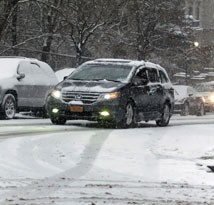 When winter hits, precipitation means more car accidents. It does not have to be a major accumulation, just enough snow, sleet, or ice to make things slick and slippery. According to the Federal Highway Administration, weather is a factor in 24 percent of all vehicle crashes. The area has already been hit with multiple weather events this year and predictably, the number of wrecks and the number of injuries were higher during the weeks with snowfall.
Delaware State Police Spokesman Master Cpl. Mike Austin says that when bad weather is in the forecast, state police advise people to stay home and postpone their travel plans. Even if you are accustomed to driving in snow, many people are not – putting you at risk being involved in an accident. Troopers receive the most calls for help with disabled or abandoned vehicles and vehicle crashes. All of these pose a major problem for DelDot efforts to remove snow and keep the roads clean and safe for those who must travel.
Be Prepared
Recent winter weather had the AAA out rescuing more people than usual. The main problems were dead batteries and tire servicing. The agency reminds motorists that existing car problems can become worse in cold weather. A weak battery is likely to die in the cold, tires will have less air pressure and reduced traction on snowy or icy roads, and old wipers will not be able to clear the windshield at a time when visibility will be lower than normal anyway.
Maintenance that should be done well before a winter weather emergency includes checking fluid levels and adding anti-freeze, oil changes, and assembling an emergency kit. Emergency supplies like jumper cables, blankets, extra food and water, a flashlight, batteries and charging cables, and a first aid kit, should always be on hand.
Drive Defensively
In winter weather conditions it is imperative to practice defensive driving. Leave plenty of time to reach your destination and plenty of room between your car and the car in front of you. Stopping distances increase when roads are slippery. Use caution when approaching an intersection and do not turn or brake suddenly as this could cause the car to skid or fishtail.
If you do get stuck in snow and cannot move your car away from the traffic flow, wait for help to arrive and do not leave your vehicle and attempt to dig yourself out. You could be seriously injured on the side of the road by a car that loses control. As you wait, make sure that your tailpipe is not blocked by snow or slush or you could be poisoned by exhaust fumes.
Winter weather increases the risk of being injured in a car accident. Common injuries include head and neck injuries such as whiplash, broken bones, and herniated disks. Stay safe this winter by following Delaware State Police advisories for road conditions and by preparing your vehicle for winter conditions.
Georgetown Car Accident Lawyers at Jacobs & Crumplar, P.A. Help Those Injured Because of Driver Negligence
If you are suffering from injuries sustained in a car accident that was caused by the negligence of another person, you may be entitled to compensation. Consult with a dedicated Georgetown car accident lawyer at Jacobs & Crumplar, P.A. who can help you determine your legal options and recover compensation. Contact us online or call 302-656-5445 today to schedule a free consultation. From our offices in Wilmington and Georgetown, we serve clients in Dover and throughout the state of Delaware.
Operation Safe Driver Week Highlights Unsafe Driving Behaviors
 Law enforcement agencies in both the United States and Canada recently participated in “Operation Safe Driver Week” in an effort to increase driver awareness about some of the most common unsafe driving behaviors. Law enforcement agencies not only increased their enforcement efforts during this week but also participated in campaigns to educate the public about the dangers of unsafe driving behaviors. Sponsored by the Commercial Vehicle Safety Alliance, the goal of Operation Safe Driver Week was to reduce the number of deaths and injuries caused by commercial truck accidents.
Unsafe driver behavior remains the leading cause of large truck accident fatalities. Data provided by the Insurance Institute for Highway Safety (IIHS) showed that 3,852 deaths resulted from large truck crashes in 2015. Occupants of passenger vehicles that collided with trucks made up 69 percent of all fatalities. The vast majority of both large truck and passenger vehicles crashes are caused directly by driver behavior. Large truck crash causation studies, including a study done by the U.S. Department of Transportation’s Federal Motor Carrier Safety Administration, have concluded that 88 percent of all large truck crashes are the result of unsafe driver behavior.
Data gained during Operation Safe Driver Week (which ran from October 15 to October 21, 2017) revealed the most frequently occurring unsafe driving behaviors. State and local law enforcement agencies issued over 38,000 warnings or citations to commercial motor vehicle (CMV) drivers and over 20,000 warnings or citations to passenger vehicle drivers.
Study Findings
Unsafe driving behaviors that resulted in traffic warnings and/or citations for commercial vehicles such as tractor trailers or other heavy duty trucks included moving violations, speeding, failing to use a seatbelt, failing to obey traffic control devices, using a handheld phone, equipping their truck with illegal radar detectors, inattentive or careless driving and operating vehicles while sick or fatigued. The vast majority of the citations (84.2 percent) could be categorized as state or local moving violations. Moving violations could include the following types of driving behavior: following too closely to another vehicle, failing to yield to other vehicles, not driving within the proper lane or on the shoulder, failing to stop for pedestrians in crosswalks or for school buses, failing to properly secure loads and even reckless driving.
Passenger vehicle drivers were cited for similar violations including speeding, failure to use a seat belt, failure to obey traffic signals, and improper lane changes. Drivers of passenger vehicles were much more likely to be cited for speeding (43.5 percent of all citations) than CMV drivers (7.4 percent of all citations).
Wilmington Truck Accident Lawyers at Jacobs & Crumplar, P.A. Pursue Justice and Compensation for Victims of Negligence
If you have been seriously injured or suffered the wrongful death of a loved one in a truck accident, you may be entitled to compensation. An experienced Wilmington truck accident lawyer at Jacobs & Crumplar, P.A., can help you get the answers you need and the compensation you deserve. We have two conveniently located offices in Wilmington and Georgetown to serve clients in upstate and downstate, including those in Dover, Delaware. Call us today to schedule your free confidential consultation with one of our seasoned Wilmington truck accident lawyers at 302-656-5445 or contact us online.
Taking Notes After An Accident
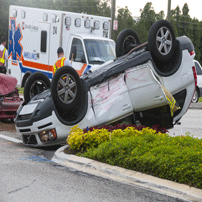 When someone is injured in an accident, whether it is a car wreck, slip and fall, or some other occurrence, it is essential to write down what transpired as soon as possible to preserve important details. Trauma and stress may affect an injured person’s ability to remember. Written notes created immediately following the accident can help the injured person recount what occurred to their insurance company or lawyer.
Include information that may be helpful when describing the circumstances leading up to the accident and how the accident occurred. Include names and contact numbers of any witnesses.
Journals Can Document Post-Accident Effects Caused by the Accident
In addition to writing down details immediately after the accident, keep a running account, or journal, of the post-accident details. These details include physical pain, medical treatment, psychological effects (for example insomnia, panic or anxiety attacks, or depression), job-related consequences, impact on personal life and relationships, and effects on everyday life.
A journal helps to document the damages suffered by the injured party. Pain and suffering damages may be available to people injured by the negligence of others. The effect an injury has on the personal life of the injured person as well as family members is part of the damages analysis. If someone is unable to participate as before in family events, childcare, housecleaning and other tasks, compensation can be sought as these are a consequence of the injury.
Also document any negative effects in the workplace. The negative impact that the injury has on the injured person’s job, including pay, performance evaluations, and consequences for missed time plays an important part of the damages analysis.
Photos
If possible, supplement documentation with photos of the area where the accident occurred. Sometimes, the area is changed following the accident, by repairs or maintenance. Photographs can preserve vital evidence and provide context. Also include contact information for businesses and residences in the area where the accident occurred as many homes and business have security cameras.
Medical Documentation is Key
Report every symptom to healthcare providers following the accident. Insurance companies or defendants may claim that injuries were not caused by the accident but were either pre-existing or caused by some other event. If a new symptom arises or a symptom worsens days or weeks after the accident, the injured party should inform his or her healthcare provider.
Some injuries are immediately evident following an accident. However, some injuries become noticeable later, and some injuries worsen over time. Report all physical, psychological, and emotional symptoms to healthcare providers. Such symptoms can include shaking, tremors, muscle spasms, headaches, stiff neck, cramps, blurry vision, depression, and confusion. Do not discount or minimize symptoms as they may be indicators of a more serious injury.
What to Tell the Insurance Company
If you have been injured in an accident, most likely you will file an insurance claim. While it is important to inform the insurance company of the claim, it is highly advisable to speak to an attorney before providing details of the accident itself or discussing any injuries.
Georgetown Personal Injury Lawyers at Jacobs & Crumplar, P.A. Obtain Maximum Compensation for Accident Victims
If you or a loved one has been injured in a car accident or other type of accident, our experienced Georgetown personal injury lawyers are prepared to help you. At Jacobs & Crumplar, P.A., our attorneys can assist you with insurance issues and help you to claim compensation for your injury-related expenses. Contact us online or call our Wilmington or Georgetown, Delaware offices at 302-656-5445 to schedule a free consultation. We represent clients throughout the state, including those in Dover, Delaware.
Holiday Drunk Driving
 As the end of the year approaches, many people have a social calendar full of parties and celebrations. Festivities typically include enjoying alcoholic drinks, making this time of year one of the most dangerous for drunk driving accidents. Especially on New Year’s Eve, the roads are full of drivers who have overestimated their ability to drive after drinking.
Effects of Alcohol on Driving
Many people have a drink for the stimulating effect – they become livelier, act happy, and “loosen up” and enjoy things more. But ironically, alcohol is classified as a depressant, so the more alcohol a person consumes, the greater its effects as a depressant. These include loss of coordination and control, impaired judgment, and loss of the ability to think rationally. That is why alcohol impaired driving is so dangerous. It is impossible to make the split-second decisions required to drive a motor vehicle.
Additionally, most social drinking happens in the evening and at night. People who decide to drive home after drinking are doing so in conditions where it is harder to see pedestrians and other unexpected obstacles. During the holiday season, they may also have winter weather conditions to contend with.
Blood Alcohol Concentration
Police measure how much alcohol a person has consumed with a breathalyzer test that determines blood alcohol concentration (BAC) or how much alcohol there is in a certain amount of blood. The legal limit in all 50 states, plus the District of Columbia and Puerto Rico is .08 grams of alcohol/deciliter of blood. Unfortunately, this does not mean that lower BAC levels are safe for driving. Many people die each year in car accidents where drivers had BAC levels of .01 to .07.
Alcoholic beverages have differing amounts of alcohol. The following list is a general, but not absolute guide to how much alcohol is in different types of alcoholic drinks. For specific amounts check the drink container.
- Beer 2–8 percent alcohol
- Cider 4–8 percent alcohol
- Wine 8–20 percent alcohol
- Tequila 40 percent alcohol
- Rum 40 percent or more alcohol
- Brandy 40 percent or more alcohol
- Gin 40–47 percent alcohol
- Whiskey 40–50 percent alcohol
- Vodka 40–50 percent alcohol
- Liqueurs 15–60 percent alcohol
Tips for Avoiding DUIs and Drunk Driving Accidents
In 2016, close to 10,500 people died in alcohol-related crashes. To avoid being hurt in a crash or hurting others, remember these tips:
- Never drink and drive. If you choose to drink at a holiday party, let someone else drive home.
- Designate a driver who will be staying sober all evening before you get to the party.
- Use the subway, a taxi service, or car service such as Lyft or Uber. Leave your car at home.
- If you see a friend who has been drinking get into their car, offer to get them a taxi. Keeping them off the road could save lives.
- Celebrate the season without alcohol.
Wilmington Car Accident Lawyers at Jacobs & Crumplar, P.A. Represent Victims of Drunk Driving Accidents
If you have been injured or suffered the wrongful death of a loved one in a car accident caused by a drunk driver, you may be entitled to compensation. Talk to a Wilmington car accident lawyer from Jacobs & Crumplar, P.A. about your legal options. We will help you obtain justice and compensation for your injuries so that you can focus on your recovery. Contact us online or call 302-656-5445 or 800-355-1818 today to schedule a free consultation about your case. From our offices in Wilmington and Georgetown, Delaware we represent clients throughout the state, including those in Dover, Delaware.
Types of Defective Product Liability Claims
 Dangerous or defective products cause injury to millions of consumers each year, according to the United States Consumer Product Safety Commission. The injuries arise from various products including household appliances, toys, and all-terrain vehicles. If a consumer uses a product and is injured, he or she may have a valid product liability claim. There are three main types of product liability claims: manufacturing defect, design defect, and failure to warn.
Manufacturing Defect
This type of claim is based on the defective manufacturing of a product. This occurs when a product departs from its intended design, therefore rendering it more dangerous than expected. Common examples include contaminated medicine or an improperly assembled bicycle.
This type of claim does not require proof that the manufacturer was negligent in designing the product, but rather only that the product was erroneously manufactured. Therefore, the defendant’s exercise of care and good intentions are not relevant. The error in manufacturing alone is generally enough to establish a defective manufacturing claim if the error – and not the claimant’s own negligent action – was the cause of the claimant’s injury.
Defective Design
A defective design claim arises when a product’s design is inherently flawed, rendering it unreasonably dangerous. Because the plans themselves are defective, it does not matter if the manufacturer follows them without error. Therefore, although the product may be manufactured as intended, the underlying defect in its design caused it to be unreasonably dangerous. Common examples include toys intended for children that contain choking hazards or a poorly designed ladder that does not support the amount of weight intended.
Claims for defective design will succeed only if the claimant sustained injury from a product’s defective design when they used the product in a reasonable manner and did not misuse the product. For example, a consumer who removes a safety guard from a tool may not be able to recover if they suffer injury from the altered product. Likewise, a consumer who uses a product in a way that the manufacturer did not intend and could not have foreseen may not be able to recover compensation for their injuries.
Failure to Warn
In this type of product liability claim, a claimant must establish that they suffered injury because they were not provided adequate warnings or instructions regarding the product’s use. If consumers are not instructed on how to handle and use the product safely and were injured as a result, they may be entitled to damages if the dangers were non-obvious and unpredictable. Some examples are a tea kettle that does not contain adequate warnings regarding an oddly positioned steam valve or a baby car seat that does not have a label with weight specifications. A knife manufacturer, however, would not be liable for a consumer’s injuries due to the blade’s sharpness because the danger was obvious and predictable.
Manufacturers have a duty to stay knowledgeable about their products, therefore if they fail to warn the public of risks they should have known about, they may be liable for consequent injuries. Warnings should be placed in a conspicuous location, understandable to the average user of the product and informative about the risks and how to avoid them.
Wilmington Personal Injury Lawyers at Jacobs & Crumplar, P.A. Represent Those Injured by Defective Products
If you have been injured by a defective product, contact a knowledgeable Wilmington product liability lawyer at Jacobs & Crumplar, P.A. Our offices are located in Wilmington and Georgetown, Delaware and we represent clients throughout the state, including those in Dover, Delaware. Contact us online or call us at 302-656-5445 today to schedule a free consultation.
Liability for Toxic Mold
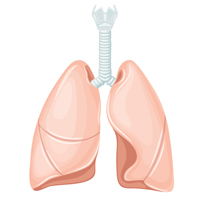 Exposure to the spores of certain types of mold can cause serious health problems. People with existing health issues or compromised immune systems are especially vulnerable to these dangerous molds. In many cases, toxic mold exposure could have been and should have been prevented.
In these cases, victims of exposure may be entitled to recover damages for their illnesses through a toxic tort claim. Determining who is liable for dangerous mold exposure can be challenging, but there are some general guidelines regarding how toxic tort cases are handled.
Toxic Mold Syndrome
Most forms of mold are not dangerous to humans or animals. These mold forms are found everywhere. They enter our homes through open doors, windows, and vents; and travel through the environment by attaching to people, animals, clothing, and other objects. Mold spores can typically grow in any place that has moisture.
However, some molds produce a dangerous poison called mycotoxin. When humans inhale mycotoxin spores, they can become severely ill. Toxic Mold Syndrome (TMS) is an umbrella term used to describe a variety of symptoms and illnesses caused by mycotoxin exposure. Toxic Mold Syndrome can cause: itchy or watery eyes, throat irritation, fever, nausea, mental fog, and shortness of breath.
Determining Liability for Toxic Mold Exposure
People who are exposed to toxic mold in their home or place of business must establish who is responsible before filing a lawsuit. In some cases, there is one defendant; in others there are several. Property owners with mold in their homes should first review their homeowners’ insurance policy. Many policies cover mold infestation that is caused by a bad event, or “peril”, such as a fire or storm damage.
Realtors and prior owners can be held responsible if it is proven they were aware of its existence and failed to remediate it, or at least disclose it to buyers. In some cases, home inspectors who fail to detect toxic mold may also be held responsible for mold-related illness.
Engineers, architects, and contractors who design or build structures that develop toxic mold growth through faulty design or poor construction can be also be named defendants in toxic tort cases. Condominium residents exposed to toxic mold can hold their association liable for exposure, especially when the mold is located in a common area like a pool or gym.
Many defendants neglect to remove traces of mold because it is a complicated and often costly process. In some cases of severe contamination, entire structures must be completely removed and rebuilt. Buildings with structural issues like excessive humidity or leaks need to be repaired to prevent re-contamination. Children and seniors are highly vulnerable to the illnesses caused by exposure to toxic mold. Builders, owners, and landlords who fail to remove toxic mold and protect residents should be held accountable.
Wilmington Toxic Tort Lawyers at Jacobs & Crumplar, P.A. Hold Negligent Property Owners Responsible
Attorneys at Jacobs & Crumplar, P.A. are skilled in proving that a plaintiff’s illness was caused by mold exposure, and that a defendant was negligent in preventing the exposure. To discuss your potential claim with a seasoned Wilmington toxic tort lawyer, call 302-656-5445 today complete our online contact form. We offer free consultations at our offices in Wilmington and Georgetown, and serve clients throughout the state, including those in Dover, Delaware.