



What Are Spring and Summer Slip and Fall Hazards?
With the spring season fully upon us, the slips and falls normally associated with the fall and winter are thought to be finally behind us. However, that is simply not the case, as the spring can bring its own slippery hazards that businesses and homeowners must be aware of:
- Slippery surfaces: The snow and ice may be gone, but the spring and summer introduction of sprinkler systems and garden hoses have increased slippery surfaces. This includes sidewalks, parking lots, driveways, roads, and walkways. As the temperatures get warmer, more people tend to spend their time outdoors. If they are outside walking in puddles or on wet surfaces, they can track in water into businesses and homes, causing a slippery hazard in itself.
- Outdoors: A study from the University of Utah found that there are hundreds of emergency department visits between May and September from slip and fall injuries outdoors. Many people may not be wearing the correct shoes or are just not careful when hiking, jogging, on a camping trip, or doing any activity outdoors. It may also be because that spring weather brings a significant amount of rain, which can make any surface slick enough to fall. Be cautious around the pool or ocean as well. Where there is water, there are slipping hazards that can cause a fall, especially for children or the elderly.
- Property maintenance: Property owners need to be aware of cracked sidewalks or broken staircases, things that can happen after a harsh winter. Potholes in parking lots are caused by water seeping into cracked pavement and when the temperatures drop, the water freezes and expands. Potholes are a common trip hazard that occur as spring transitions from winter.
How to Prevent Spring Slip and Fall Injuries?
Slip and fall injuries happen more in the spring and summer than people may realize, so it is important to do what you can to help prevent any injuries:
- If you are a property owner or business owner, be on a lookout for hazards that winter may have caused, such as potholes or cracked walkways and have them repaired immediately. Make sure that handrails are secure, and carpets are secured if they are torn or frayed.
- When at a pool, remind everyone not to run, and to keep the traffic areas free of any debris.
- Take care of any spills or liquids on the ground as quickly as possible, whether you are at home or own a business. If you do own a business, put out caution signs if there is a slippery surface.
Slip and Fall Injuries in Delaware
If you suffer a slip and fall injury in Delaware, know the law before pursuing a lawsuit. The statute of limitations to file an injury lawsuit in Delaware is two years. Not only is this for seeking compensation for an injury from a slip and fall, but also if you are seeking compensation for property damage from the slip or fall as well, such as breaking an expensive watch. The statute of limitations begins on the date of the accident. Should you attempt to file a lawsuit after the deadline, your case would most likely be dismissed.
Another term in Delaware to be aware of is “comparative negligence”. This means that the plaintiff in an injury case does not receive any compensation if they share any responsibility for the accident than the defendant. However, Delaware has a “modified comparative negligence” law, which means that the plaintiff could still receive compensation if they share some responsibility in the accident, just as long as it is not more than the defendant.
The Delaware Personal Injury Lawyers at Jacobs & Crumplar, P.A. Help Those Injured in Slip and Fall Accidents
If you have been injured in a slip and fall accident because of the negligence of another, then you could be entitled to compensation. Call our experienced Delaware personal injury lawyers at Jacobs & Crumplar, P.A. immediately. Call us today at 302-656-5445 or fill out our online form for a free consultation. With our offices located in Wilmington and Millsboro, Delaware, we proudly serve all communities of Dover, New Castle County, and Sussex County.
Slip and Fall Accidents with Snow and Ice
With the upcoming winter months, we must remind ourselves to take proper precautions while traveling. Chances of suffering a slip and fall accidents are high due to snow and ice covered surfaces. It is important that property and business owners maintain the areas where people walk. If you slip or fall because of the negligence of a property owner, you may be eligible for compensation for your sufferings.
Laws Regarding Slip and Fall Accidents
Properly building a case is essential when trying to receive compensation for slip and fall injuries. Questions about your circumstances and injuries may arise, especially if it was on someone else’s property. Before trying to seek out compensation yourself, it is highly recommended to seek the advice of slip and fall lawyer. The following are some laws regarding slip and fall accidents:
- Statute of Limitations: In the state of Delaware, there are few laws that apply to slip and fall accidents. The statute of limitations law gives you two years from the date of the incident to file a lawsuit against the property owner. This also applies if you were uninjured in the accident, but your property was damaged. If you miss the deadline and decide to file, your case will likely be dismissed.
- Negligence: A property owner can be held negligible for your injury if they fail to fulfill their duty of care; it is their responsibility to make their property safe for travel. Reasonable maintenance and natural accumulation will be considered. Property owners must prove their snow and ice removal was reasonable considering their location and the natural accumulation of weather.
- Comparative Negligence Rule: Another law to consider, particularly in Delaware, is the comparative negligence rule. This is often combative. Both you and the plaintiff hold some responsibility in the accident. Each parties’ actions will be reviewed by the jury. If you hold over 50% responsibility of the accident, then you cannot recover compensation.
Evidence of Accident
It is important to build a strong case for compensation; gathering all evidence of the accident is essential. Information that should be collected includes medical summaries and bills, contacts with insurance companies, and photos of the locations that include the snow and ice. In some cases, property owners may reach a settlement with the plaintiff if they fear a public lawsuit; having a strong case in your favor is vital for recovering potential losses.
Dover Slip and Fall Lawyers at Jacobs & Crumplar, P.A. Defend Those Injured in Slip and Fall Accidents
If you or someone you know was injured in a slip and fall accident, you may be eligible for compensation. It is important to be safe when you travel during the winter months. Even with extra precautions, accidents can happen. Our slip and fall lawyers at Jacobs & Crumplar, P.A. will protect your rights and determine negligence. Contact us online or call us at 302-656-5445 for a free consultation regarding your potential case. Located in Wilmington and Georgetown, Delaware; we also serve the communities of Dover, New Castle County, and Sussex County.
What are the Premises Liability Laws Regarding Swimming Pools?
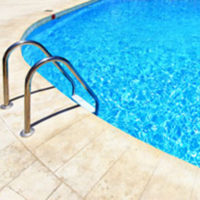 May is Water Safety Month and with summer quickly approaching, pools will open to the public. Long summer days by the pool should be a welcome treat, but receiving an injury on someone else’s property is anything but welcoming. In fact, getting hurt because a property owner failed to keep their property conditions safe is grounds for a lawsuit. If you or someone you know sustained a pool injury on a property that was not your own, you may be wondering how the premises liability laws affect you.
What is Premises Liability?
Premises liability refers to any injury a person receives on someone else’s property. The injuries received may be caused by a property owners’ failure to warn pool visitors of unsafe conditions. Premises liability is commonly associated with slip and falls and dog bites, among various other accidents occurring on someone’s property. Premises liability laws refer to a set of rules used to determine whether the property owner should be held responsible when someone is injured on their property.
Owners of public and private swimming pools face liability if an individual is injured while on the owner’s property. However, there are exceptions to this. When it comes to trespassers, a pool owner’s only responsibility is to not purposely cause the trespasser harm. If a trespasser is a child, a pool owner has an obligation to take safety precautions. Children are always owed a duty of care, according to the attractive nuisance doctrine.
A pool owner is liable for injuries when dangerous conditions are not made obvious to the public. If a pool owner fails to provide emergency safety equipment or if there are no lifeguards supervising the pool, an owner may be held liable.
Invitees and Licensees
Invitees refer to individuals from the public who are invited to use the pool. Licensees refer to social guests using a private pool. Pool owners have an obligation to keep both invitees and licensees safe while they are on the property. If they fail to do this, they may be held liable for any injuries a person sustains.
Injuries that are common in premises liability accidents include:
- Broken bones, such as the wrist, ankle, shoulder, or elbow
- Cuts, bruises, or scratches
- Pulled or twisted joints
- Shoulder dislocations
Proving Negligence
If a person is injured on someone else’s property, it does not necessarily mean the property owner is liable. Negligence requires proving that a property owner was aware of unsafe conditions and failed to fix them, which led to the injury.
Wilmington Personal Injury Lawyers at Jacobs & Crumplar, P.A. Represent Victims Filing a Personal Injury Claim
Premises liability laws can be confusing to navigate when filing a personal injury claim. A Wilmington personal injury lawyer at Jacobs & Crumplar, P.A. will get you through the process while fighting for your rights. For a free consultation, contact us online or call us at 302-656-5445. Located in Wilmington and Georgetown, Delaware, we serve clients throughout Dover, New Castle County, and Sussex County.